























Across many communities, the difference between being in school and dropping out often comes down to the condition of the classroom—and the support around it.



That’s where a new intervention from the Universal Basic Education Commission is stepping in.

The Federal Government has disbursed over ₦5 billion to 518 communities nationwide under the School-Based Management Committee–School Improvement Programme (SBMC-SIP), targeting school upgrades and stronger community involvement.
Speaking at the national rollout of the 2025 programme in Abuja, UBEC Executive Secretary, Dr Aisha Garba, said the move is part of a broader push to improve basic education and reduce the number of out-of-school children.

The ₦5.18 billion allocation will support 518 communities, with each state and the FCT benefiting from 14 schools.
The focus is clear—fix what students see and use every day.

This includes renovating dilapidated buildings, providing classroom furniture, and improving water, sanitation, and hygiene (WASH) facilities, especially in underserved areas.
Garba, represented by Deputy Executive Secretary (Technical), Rasaq Akinyemi, said the programme goes beyond infrastructure.
“This represents a renewed national commitment to strengthening community participation in school governance… and ensuring that every Nigerian child not only enrolls in school but remains in school to successfully complete basic education,” she said.
The event also marked multiple milestones.
It included a review of the 2023 and 2024 cycles, the disbursement of final funds for those phases, the official launch of the 2025 rollout, and the introduction of a new Learner Retention Programme.
Together, these efforts aim to tackle a bigger issue—why children leave school in the first place.
So far, the SBMC-SIP has supported over 1,112 schools, with more than ₦1.5 billion disbursed in previous cycles.
In total, 13,670 projects have been initiated nationwide, with expectations that over 400,000 children could be drawn back into classrooms.
To wrap up earlier phases, UBEC also released ₦434.5 million to complete 11,484 ongoing projects.
At the same event, the commission unveiled the Learner Retention Support Programme, targeting one million pupils across eight states in its first phase, backed by a ₦5 billion budget.
The goal is to address the real-life barriers which are: financial, social, and environmental—that keep children out of school or push them to drop out.
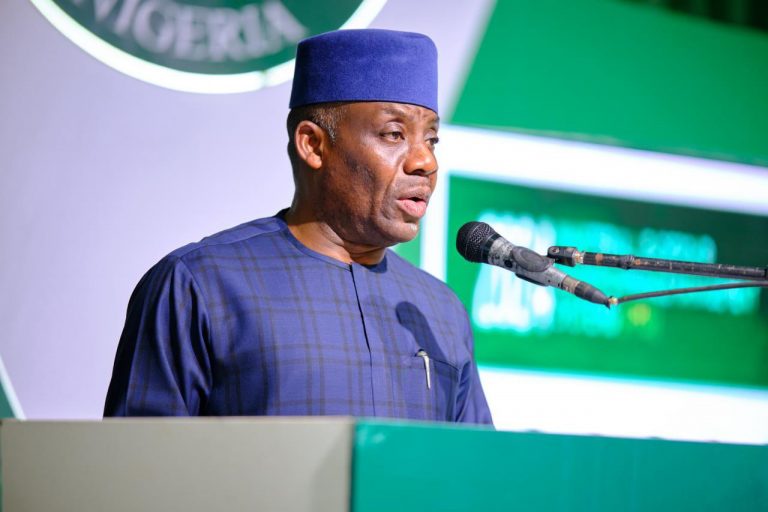
In his keynote, Minister of Education, Dr Tunji Alausa, described the initiatives as central to Nigeria’s education strategy.

Represented by Dr Folake Olatunji-David, he said the programmes align with national policies and global education goals, including Sustainable Development Goal 4.
“These initiatives reaffirm government’s commitment to ensuring that every school-age child is enrolled, retained, and able to complete basic education,” he said.
He also urged stakeholders around state education boards, local authorities, and community leaders to ensure transparency and proper use of funds.
Credit: TheGuardian








 EduTimes Africa, a product of Education Times Africa, is a magazine publication that aims to lend its support to close the yawning gap in Africa's educational development.