


































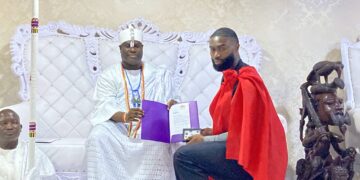












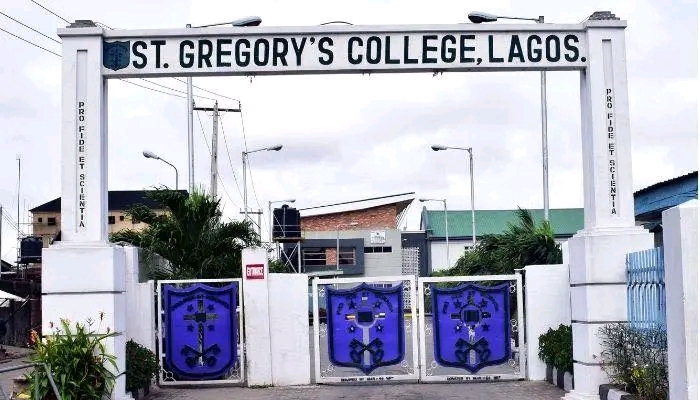


At Jubilee Hall, within the historic grounds of St. Gregory’s College Old Boys Association in Ikoyi, Lagos, art found a meeting point with memory, identity, and legacy.



The inaugural Gregorian Art Exhibition did more than display paintings and sculptures, it told a story. A story of tradition, mentorship, and the quiet but enduring power of culture to shape generations.

Organised in honour of legendary artist Bruce Onobrakpeya, the three-day exhibition unfolded under the theme “Celebrating Legacy, Excellence and Continuity.” But beyond the theme, what stood out was a deliberate attempt to build something lasting—a cultural bridge between the past and the future.
From the moment visitors stepped into the hall, the atmosphere carried a blend of reverence and curiosity. Alumni reconnected, artists exchanged ideas, and younger attendees moved from piece to piece, absorbing not just technique, but history.

Former Chairman of the association, Dr Michael Omolayole, captured this sentiment when he described the initiative as a bold cultural step. To him, it was a way of extending the school’s legacy beyond academics and into the creative space, an investment not just in art, but in identity.
That idea of identity echoed throughout the event.
The President of the association, Francis Kudayah, spoke of the exhibition as the beginning of a tradition: one that would define the Gregorian community for years to come. But his vision went further.
Through the exhibition, the association is not only celebrating art but also building structures: an endowment fund, a mentorship pipeline, and even a digital marketplace—Gregorian Art Mart—to take local creativity to a global audience.
It is this mix of tradition and innovation that gave the exhibition its unique character.
Yet, at the heart of it all was Onobrakpeya himself—not just as a figure being honoured, but as a symbol of what the initiative hopes to produce.
Reflecting on his journey, he spoke not with grandeur, but with clarity. His decision to remain in Nigeria, despite opportunities abroad, was rooted in something simple but powerful: early support and a strong foundation.

That foundation, he noted, came from St. Gregory’s College.
In many ways, his story became the quiet anchor of the exhibition—a reminder that behind every masterpiece is a system that once believed in a young, unproven talent.
That message resonated deeply, especially as conversations shifted toward mentorship. The planned annual art clinic, designed to connect experienced artists with younger ones, is perhaps one of the most forward-looking aspects of the initiative. It signals a move from celebration to continuity, from showcasing success to reproducing it.
Across the exhibition space, works from artists like Victor Uwaifo, David Dale, Mike Omoighe, and others added layers of depth to the experience. Each piece carried its own voice, yet collectively, they formed a narrative about heritage, discipline, and artistic evolution.
Visitors described the exhibition as reflective, less about spectacle and more about meaning. In a time when art is often driven by speed and trends, this felt different. Slower. Intentional. Grounded.
And perhaps that is the point.

The Gregorian Art Exhibition is not trying to compete with the fast-paced global art scene. Instead, it is carving out a space where legacy matters, where mentorship is central, and where culture is preserved not as nostalgia, but as a living, evolving force.
Credit: ThePunch










 EduTimes Africa, a product of Education Times Africa, is a magazine publication that aims to lend its support to close the yawning gap in Africa's educational development.