

























As Nigeria continues to battle examination malpractice and credibility concerns in its education sector, the Federal Government has announced a major shift in the country’s public assessment system with the introduction of computer-based examinations by the National
Examinations Council beginning this year.
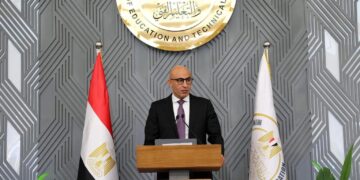
The announcement was made by the Minister of Education, Tunji Alausa during the council’s 25th anniversary celebration held in Abuja on Thursday.

The move, according to the minister, forms part of broader efforts to modernise Nigeria’s examination system, reduce examination malpractice, and strengthen the credibility of public assessments.
For years, Nigeria’s education system has struggled with persistent cases of question leaks, impersonation, collusion at examination centres, and other forms of examination fraud. Authorities believe the transition to technology-driven assessments could significantly reduce these challenges.
“We are at the threshold of a very important reform, which NECO is spearheading, and that is the Computer-Based Examination, which is to commence this year,” Alausa said.



According to him, the digital examination model would allow authorities to monitor candidates in real time, detect suspicious activities, and improve examination security.
The minister described NECO as one of the country’s key institutions for maintaining integrity and accountability within the education system, noting that the council had grown steadily over the last 25 years despite initial scepticism and operational challenges.
He stated that the examination body had improved scoring reliability, strengthened examination security, and expanded access to underserved communities while embracing technological reforms that restored public confidence in its certificates.
Alausa also stressed that educational assessments must evolve beyond rote memorisation to include modern competencies such as digital literacy, problem-solving, and critical thinking.
“As we celebrate this Silver Jubilee, may NECO and the Ministry of Education continue to work in unison, fostering trust, driving reform, and ensuring that certification remains a passport to brighter futures for all students,” he added.
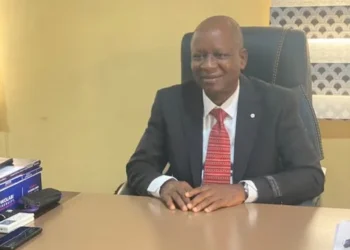
In his remarks, NECO Registrar and Chief Executive, Prof. Dantani Wushishi, disclosed that the council had expanded its examination operations beyond Nigeria and currently conducts examinations in eight countries.
He described the development as a sign of growing international acceptance of NECO certificates and noted that the council had introduced reforms such as digital verification systems, e-certificates, e-library services, and data analytics platforms.
Wushishi also revealed that the council had embarked on infrastructure expansion projects, including the construction of offices in several states and the establishment of additional zonal directorates to improve service delivery nationwide.
According to him, NECO would continue to strengthen measures against examination malpractice while deepening digital transformation within its operations.
Education stakeholders at the event described the introduction of computer-based examinations as a major turning point for Nigeria’s assessment system, expressing optimism that the reform would improve transparency, efficiency, and public confidence in national examinations.
The development also reflects a growing shift towards technology-based assessments in Nigeria, following similar reforms introduced by the Joint Admissions and Matriculation Board in recent years.
Credit: ThePunch











 EduTimes Africa, a product of Education Times Africa, is a magazine publication that aims to lend its support to close the yawning gap in Africa's educational development.