






















































As concerns grow over how well children can read, write and solve basic maths problems, Nigeria says it is betting on one idea — helping pupils learn better from the earliest years of school.



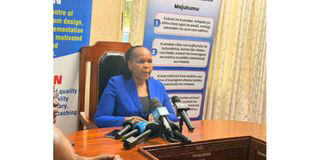
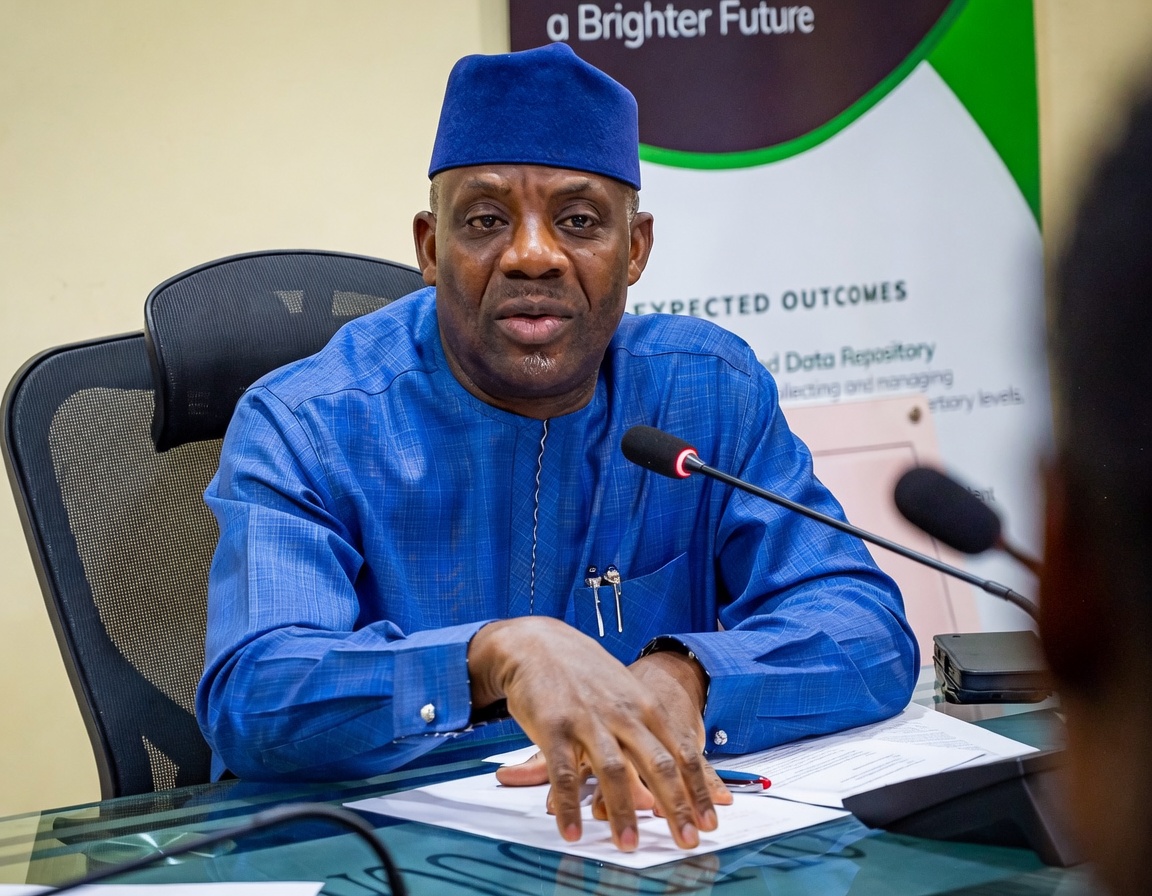
That conversation took centre stage in London, where Nigeria’s Minister of Education, Tunji Alausa, spoke about reforms aimed at improving foundational literacy and numeracy across the country.

Speaking during a special roundtable session at the Education World Forum in the United Kingdom, Alausa engaged education ministers and global stakeholders on Nigeria’s efforts to strengthen foundational learning.

At the centre of the discussion was Nigeria’s Foundational Literacy and Numeracy (FLN) initiative, which the minister said now operates under a unified national standard for both formal and non-formal education systems.

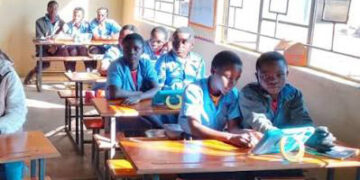
According to him, the government is scaling programmes designed to strengthen reading and numeracy among younger learners through the Universal Basic Education Commission.
“We’re scaling RANA for Primary 1 to 3 and Teaching at the Right Level for Primary 4 to 6 across 15 states through the Universal Basic Education (UBEC). This uses structured lesson plans, weekly teacher coaching and regular assessments,” he said.

For students and young Nigerians, conversations around literacy and numeracy may sound distant, but weak foundational learning often shapes future classroom performance, examination outcomes and even employability.
A statement by the minister’s Special Adviser on Media and Communications, Ikharo Attah, quoted him as saying that the Accelerated Basic Education Programme (ABEP), developed by the Nigerian Educational Research and Development Council, is also helping out-of-school children and adolescents gain foundational literacy and numeracy skills within three years.
The minister highlighted state-level reforms already showing results, pointing to programmes such as EKOEXCEL, KwaraLEARN and BayelsaPRIME as examples of technology-driven teaching approaches.
“The impact is measurable. KwaraLEARN halved foundational learning deficiencies in less than two years, while BayelsaPRIME improved literacy by 20 percentage points in just 19 weeks. The model is working, and we are now scaling it nationally,” Alausa said.
He added that foundational literacy and numeracy now sit at the centre of President Bola Ahmed Tinubu’s Renewed Hope Agenda, with the Federal Government finalising a National Policy on Foundational Literacy and Numeracy to provide long-term legal and institutional support for reforms.
Credit: TheGuardian













 EduTimes Africa, a product of Education Times Africa, is a magazine publication that aims to lend its support to close the yawning gap in Africa's educational development.