





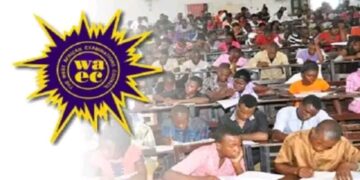











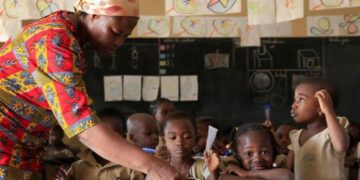
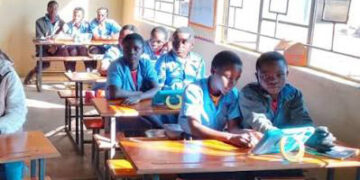


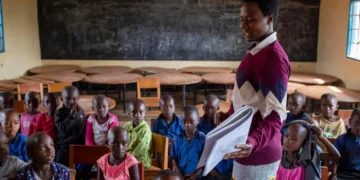
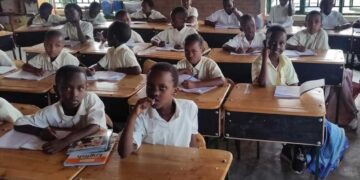





































Complaints by final-year students of Government Girls Mega College, Doma, over missed meals during the ongoing West African Senior School Certificate Examination have sparked concerns about student welfare, but education authorities in Gombe State insist the problem is not food shortage.


Instead, they say the challenge lies in the clash between examination schedules and the school’s feeding timetable.

The controversy emerged after some Senior Secondary School Three students reportedly complained of spending long hours without food while sitting for the ongoing WAEC examinations. According to the students, the examination timetable disrupted their access to meals, leaving many hungry during critical periods of the day.
The complaints quickly raised questions about feeding conditions in the boarding school and whether students were being adequately catered for during the examination season.

However, the Gombe State Ministry of Education has rejected claims of underfeeding, maintaining that food supplies remain sufficient and that students continue to receive meals regularly.

Speaking on the issue, the Special Assistant on Media to the Ministry of Education, Saidu Malala, said investigations conducted by the ministry found no evidence to support allegations of inadequate feeding.
According to him, the state government recently distributed food items to boarding schools across the state as part of efforts to ensure students are adequately catered for.
“Students get food in the morning, afternoon and later in the evening around 5 p.m. Recently, we distributed non-perishable food items to boarding schools. As you know, we have 20 boarding schools across the state,” he said.
Malala explained that the concerns stemmed largely from the rigid nature of the WAEC timetable, which often overlaps with normal feeding periods.
He noted that candidates typically begin examination papers around 10 a.m., making it difficult for them to access meals at the usual times.

“What happened is that the SS3 students are currently writing WAEC. The timetable sometimes clashes with feeding periods. They start examinations around 10 a.m. and cannot eat until they finish the paper. Their second paper may come up around noon or 1 p.m., and they don’t get lunch until around 5 p.m.,” he explained.
For students already dealing with the pressure of final examinations, spending hours in examination halls without access to meals can be physically demanding and mentally exhausting.
Education experts have often stressed the importance of proper nutrition during examinations, arguing that hunger can affect concentration, alertness and overall performance.
But school authorities insist that logistical realities make it difficult to prepare separate meals exclusively for examination candidates.
Malala pointed to the large population of the school, which currently accommodates more than 1,800 students, with about 500 of them in SS3.
According to him, meals are prepared in bulk, making adjustments for a particular category of students challenging.
“Doma has a population of 1,834 students, and SS3 students are about 500. Meals are usually prepared at once, and preparing separate meals may be difficult because ingredients are measured according to the number of students,” he said.
While the ministry maintains that there is no feeding crisis, the episode has highlighted the broader challenge of balancing school routines with external examination schedules.
As WAEC continues across the country, the situation has renewed conversations about how schools can better support candidates during examination periods, ensuring that academic demands do not come at the expense of students’ comfort and wellbeing.











 EduTimes Africa, a product of Education Times Africa, is a magazine publication that aims to lend its support to close the yawning gap in Africa's educational development.