


























“The future of education is not more content, but a stronger connection between learning and real-world consequence”
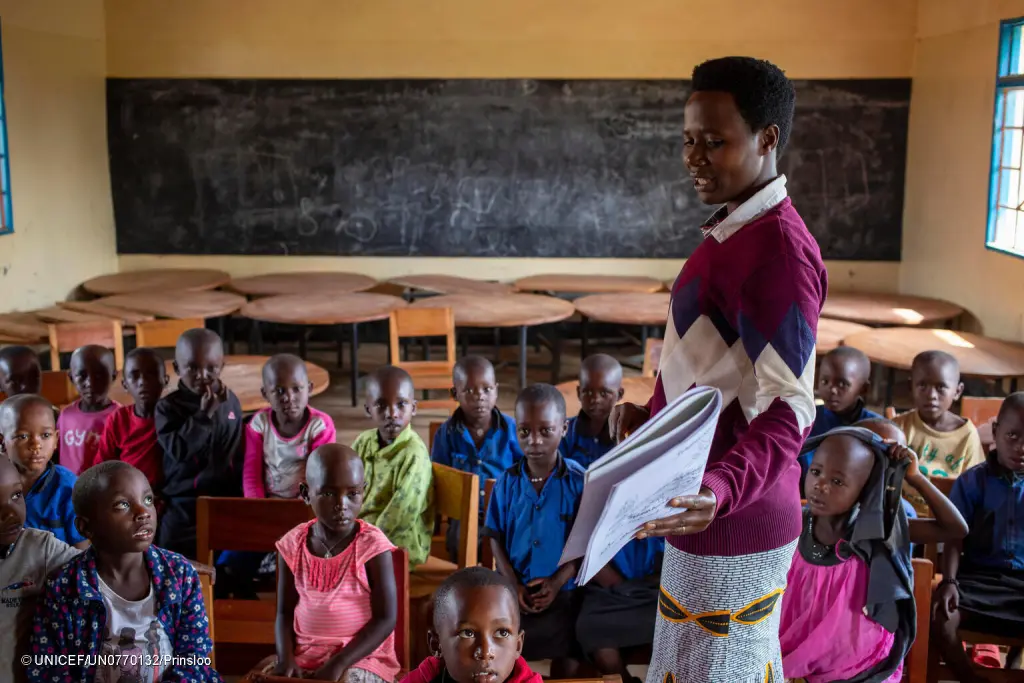
There is a quiet contradiction sitting at the heart of most African schools today. Walk into a classroom in Lagos, Abuja, Nairobi, or Accra, and you will find a teacher explaining the Sustainable Development Goals to a room full of attentive students. The lesson is real. The stakes are clear. And yet, thirty minutes later, the same school will dump unsorted plastic waste into an open gutter, run three diesel generators through the afternoon, and serve lunch on styrofoam plates that will outlast every student in that classroom. This is not a criticism. It is a diagnosis. The problem is not that African schools do not care about sustainability. Most of them do. The problem is that caring is not the same as leading. And right now, in the majority of our schools, there is nobody whose job it is to lead on this. That is exactly what needs to change.
A Leadership Gap We Can No Longer Ignore
For decades, school leadership has rested on three pillars: academic performance, and administrative and financial management. The principal drives results, the vice principal oversees academics, and everything else often becomes secondary. But the world has changed. Climate disruption, youth unemployment, social inequality, and the rise of the green economy are now central realities shaping students’ futures. Schools that are not preparing learners for this context risk falling behind. What modern education needs is a fourth leadership pillar, a dedicated role focused on aligning school systems with real-world impact. Someone who can see a farm as a revenue and learning system, Sports Day as a platform for sustainability, and entrepreneurship events as pipelines for future green innovators. In global corporate settings, this function is often called the Chief Sustainability Officer. In schools, it translates to the Chief Impact Officer (CIO). And I believe every serious school in Nigeria and across Africa needs one.
What a Chief Impact Officer Actually Does
Let me be clear about what this role is, because the title can sound intimidating or expensive when it is neither.
A Chief Impact Officer is not a senior academic or a rebranded head teacher. They are a strategist who works alongside school leadership and asks one core question every day: how do we make this school more useful to the world, and how do we make the world’s needs more integrated into how this school operates?
In practice, the CIO does five things:



- First, they turn the campus into a “living laboratory,” where school operations become part of learning, solar panels in physics lessons, compost systems in biology, and the building itself becomes a teaching tool.
- Second, they future-proof student careers by aligning learning with the growth of the green economy, giving students exposure to fields like renewable energy, sustainable agriculture, and environmental innovation before they leave school.
- Third, they help the school save money by improving efficiency in energy, water, waste, and procurement, turning sustainability into operational savings that can be reinvested in teaching and learning.
- Fourth, they strengthen the school’s reputation by aligning it with the values modern parents care about: purpose, relevance, and real-world readiness, not just exam results.
- And fifth, they unlock access to external funding by helping the school present structured, measurable impact that international partners, foundations, and development institutions can support.
The Nigerian Context: Why This Matters More Here
Nigeria is a country of extraordinary human capital sitting inside a set of very real structural challenges. Inconsistent power supply, water scarcity, plastic waste crises, urban flooding, and a youth unemployment rate that demands urgent attention, these are not abstract problems. They are the daily lived reality of Nigerian students and their families. A school with a Chief Impact Officer is a school that takes these challenges and converts them into curriculum.

Who Will Fund This? Organizations Already Waiting
This is the question I get most often from school administrators: where does the money come from?


The honest answer is that the funding already exists. What is usually missing is the structure to access it.
Several organizations already fund sustainability, education, and youth development work in African schools:
- The Global Environment Facility (GEF) supports climate and biodiversity projects, often accessed through national implementation channels when schools can show aligned environmental programs.
- The Mastercard Foundation invests heavily in African youth education and economic inclusion, especially initiatives that demonstrate measurable impact and long-term opportunity pathways.
- UNESCO’s Associated Schools Network (ASPnet) connects schools globally around Education for Sustainable Development, opening access to collaboration, recognition, and exchange opportunities.
- The United Nations Environment Programme (UNEP), through initiatives like the Eco-Schools programme (run with the Foundation for Environmental Education), supports environmental education and sustainability standards in schools, including certification pathways like the Green Flag.
- The Tony Elumelu Foundation and similar African philanthropies increasingly support youth entrepreneurship, especially where schools are building structured pipelines into social enterprise.
- The African Development Bank (AfDB) provides climate and development financing through programs tied to energy, agriculture, and sustainability outcomes that schools can align with.
- Corporate CSR programs from companies like MTN Nigeria, Airtel Nigeria, Unilever Nigeria, and Nestlé Nigeria also fund education and youth initiatives regularly, particularly when schools present clear, structured impact programs. The key point is simple: a Chief Impact Officer does not just manage sustainability programs. They position the school to attract funding that is already available but often inaccessible without the right strategy and evidence.
Making It Work Without Starting from Scratch
One concern I often hear from school leaders is that this role implies a full overhaul of how the school operates. It doesn’t. The most effective way to introduce a Chief Impact Officer is to “green-track” what already exists. The school doesn’t need a new calendar, it needs a new lens.
- Inter-house Sports can include a Sustainability Trophy, rewarding cleanliness, reusable materials, and eco-friendly creativity. The competition remains; only the values expand.
- Entrepreneurship Day can shift toward social enterprise, where students go beyond food sales to solutions like upcycled products, solar lamps, or water filtration kits. The structure stays; the ambition deepens.
- School farms can evolve into circular systems where waste becomes compost, compost supports crops, and crops support the cafeteria or student enterprise. The system stays; the efficiency improves.
- Arts and Culture Day can highlight indigenous environmental knowledge, showing how Nigerian cultures practiced sustainability long before the term existed. The celebration stays; the learning becomes richer.
- CSR trips can move from donations to skills-based impact, with students teaching or solving real community needs. The outreach stays; the impact increases.
None of this requires a revolution, just a focused role with the right mandate to enhance what already exists.
A Word to School Boards: Think Investment, Not Expense
If you are reading this as a school board member or proprietor, I want to speak to you directly.
The instinct when you hear “new senior role” is to think about cost. That is understandable. But the Chief Impact Officer is not a cost, they are protection against irrelevance. The schools that will lead in Nigeria and across Africa will not only have strong WAEC results. They will produce graduates who can solve problems, build businesses, manage resources, work across cultures, and lead with purpose. That kind of school does not happen by accident. It happens by design. And the CIO is the designer.
_____________________
Oluwatosin Osemeobo is an educator, writer, speaker, and School Sustainability Strategist with decades of experience at the intersection of education, Sustainability, leadership, and human development. An AFS Global Up–certified educator with deep expertise in intercultural learning and global competence, he operates at the intersection of future skills and sustainable development, empowering schools and educators to move beyond intention and achieve lasting impact.
His academic foundation includes a Bachelor of Education from Obafemi Awolowo University, advanced certifications from the Open University (UK) and the University of Cambridge, and specialized training through the UN Climate Change platform, covering inclusive leadership, the SDGs, trade and rights frameworks, and the UN Convention on the Rights of the Child.
As a Transformational Thought Leader and coach, Tosin has worked with teachers and professionals across multiple countries, equipping them to lead with clarity, adaptability, and purpose. His approach blends practical strategy with deep insight into how people and institutions actually change.
As a writer, he explores the ideas he is most invested in: sustainability, education reform, teacher wellbeing, global competence, and what it truly takes to build schools that serve the future. His work speaks to educators, policymakers, and anyone who believes that transforming education is one of the most important things a generation can do.
Tosin is a sought-after speaker and strategic consultant, and is based in Abuja, Nigeria. He is open to speaking engagements, writing commissions, consulting, and partnerships with organizations working on school sustainability, future skills, and human-centered education globally.
Email: tosemeobo@gmail.com Phone: +234 806 561 1550
Linkedin: www.linkedin.com/in/oluwatosin-osemeobo-9b8a7a12a














 EduTimes Africa, a product of Education Times Africa, is a magazine publication that aims to lend its support to close the yawning gap in Africa's educational development.
This was an enjoyable and educational read. The way you explained the concepts made them feel more approachable. Great job — I’ll be visiting your blog again soon.
Thank you very much for the endorsement. We’re glad to hear that you found the post both enjoyable and useful. Tosin Osemeobo is one of our regular columnists. Kindly look out for more of his articles. All the best.