


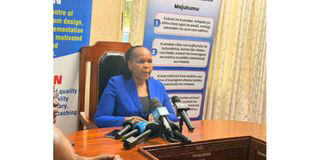


















































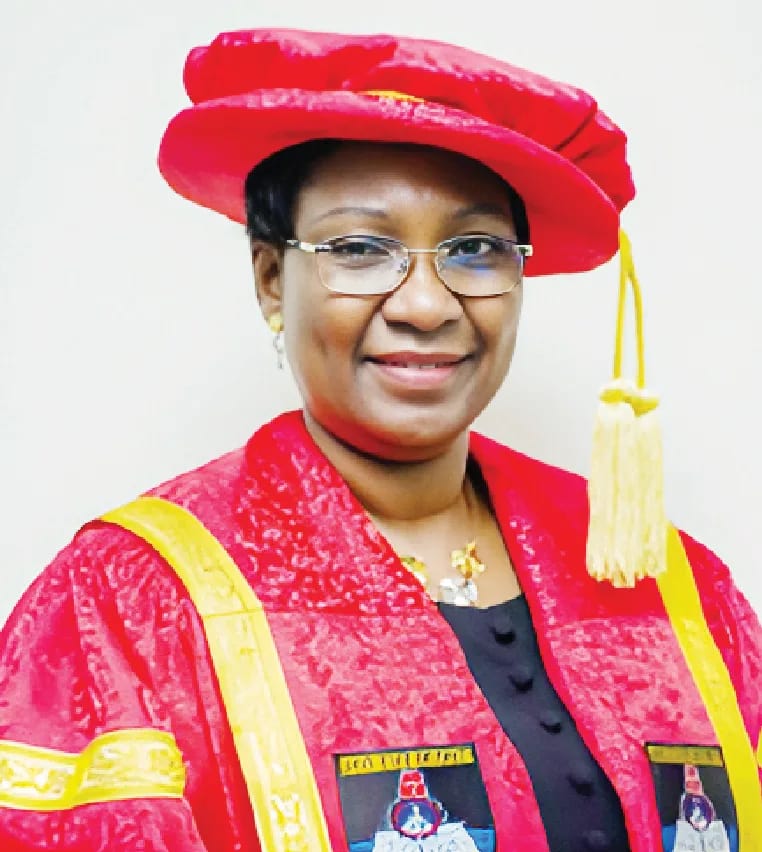


The media aide to the immediate past Vice-Chancellor of Lagos State University (LASU), Prof. Ibiyemi Olatunji-Bello, has clarified that the former university administrator did not advocate a N1 million annual fee for students in public universities.



The clarification follows widespread reactions to excerpts of an interview published by The PUNCH and subsequently circulated on social media.

In a statement, Olatunji-Bello’s media aide, Emmanuel Adeyemi, said the former vice-chancellor’s comments had been misinterpreted.
According to him, Olatunji-Bello was discussing the estimated cost of providing quality undergraduate education and not proposing that students or their parents should bear the full financial burden.

He explained that her remarks were made in the context of Nigerians’ desire for university education that meets global standards.
Adeyemi said Olatunji-Bello noted that delivering such quality education costs an average of about N1 million per student annually, but stressed that she did not suggest that the entire amount should be paid directly by students.

“Her central argument was that delivering the quality of undergraduate education Nigerians rightly desire costs, on average, approximately N1m per student annually.
“Crucially, however, she did not suggest that this cost must necessarily be transferred wholesale onto students or their parents,” he said.
The aide noted that the former LASU vice-chancellor was instead advocating innovative and diversified funding sources to help universities achieve financial sustainability.
He quoted her as saying that universities could become financially sustainable through innovation and institutional improvements that attract additional revenue.

According to Adeyemi, Olatunji-Bello’s position reflects a broader call for higher institutions to explore alternative funding models while recognising the real cost of quality education.
He added that the former vice-chancellor also encouraged parents to prioritise education and share responsibility in supporting the academic development of their children.
The statement urged members of the public, education stakeholders and the media to consider Olatunji-Bello’s full remarks rather than isolated excerpts that may not accurately reflect her position.
Adeyemi maintained that the former LASU vice-chancellor’s comments were intended to spark conversations around sustainable university funding rather than advocate an increase in tuition fees for students.












 EduTimes Africa, a product of Education Times Africa, is a magazine publication that aims to lend its support to close the yawning gap in Africa's educational development.