






















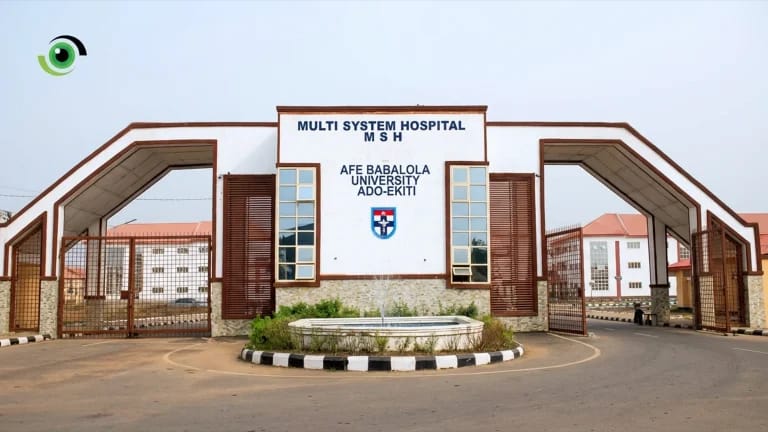


Reaching the world’s top 100 is an achievement many universities spend decades chasing. But for Afe Babalola University (ABUAD), it has become the starting point for an even bigger ambition.



After emerging as the only Nigerian university ranked among the world’s top 100 in the 2026 Times Higher Education Sustainability Impact Rankings, the Ekiti-based institution is now aiming for a place among the world’s top 50.

The ambition was made public on Tuesday during a press conference in Ado Ekiti, where the university reflected on its latest global recognition.
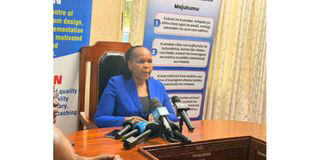
Speaking on behalf of the founder and Chancellor, Aare Afe Babalola, the Vice-Chancellor, Prof. Smaranda Olarinde, said the latest ranking fulfilled a long-held dream.

“To the glory of God, that dream has become a reality now,” she said.
But rather than settling for the achievement, Olarinde said the founder immediately challenged the university community to aim even higher.
“He then challenged us, once again, with an even higher aspiration—that ABUAD should continue its upward trajectory and secure a place among the world’s top 50 universities.”
She expressed confidence that the target is achievable through the collective efforts of the university’s staff, students, alumni and partners.


According to Olarinde, ABUAD’s rise in the global rankings did not happen by chance.
She attributed the achievement to strong leadership, careful planning, institutional discipline and the commitment of both staff and students.
She also highlighted some of the factors behind the university’s growing reputation, including full accreditation of all academic programmes, partnerships with more than 70 institutions within and outside Nigeria, modern laboratories and research facilities, uninterrupted electricity supply, scholarship opportunities for deserving students and continuous investment in staff welfare.














 EduTimes Africa, a product of Education Times Africa, is a magazine publication that aims to lend its support to close the yawning gap in Africa's educational development.