


























The Federal Government has prohibited recipients of honorary degrees from using the “Dr” title as a prefix to their names in official, academic, or professional settings, declaring the practice a misrepresentation of academic credentials.



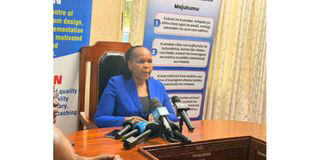
Minister of Education, Tunji Alausa, announced the directive on Wednesday at the Presidential Villa, Abuja, while briefing State House correspondents on recent approvals by the Federal Executive Council.

He explained that the new policy establishes a uniform standard for the award and usage of honorary degrees across Nigerian universities, aiming to curb what he described as longstanding abuse, politicisation, and commercialisation of such honours.
According to the minister, honorary degree holders must no longer prefix “Dr” to their names. Instead, they are required to use the full honorary designation after their names, clearly indicating the award’s honorary status.

Alausa warned that presenting an honorary degree as an earned academic qualification would be treated as academic fraud, with potential legal and reputational consequences.
The policy also limits honorary degrees to four categories: Doctor of Laws (LL.D), Doctor of Letters (D.Lit), Doctor of Science (D.Sc), and Doctor of Humanities (D.Arts).
In addition, universities without active PhD programmes have been barred from awarding honorary degrees. All such awards must explicitly include “honorary” or “Honoris Causa” on certificates and in official references.

The minister noted that the directive seeks to restore credibility to Nigeria’s academic system, addressing concerns over institutions conferring honorary doctorates for political or financial reasons.

He added that the Federal Ministry of Education, in collaboration with the National Universities Commission, will enforce compliance, monitor convocation ceremonies, and publish an annual list of legitimate honorary degree recipients.
The move, he said, gives legal backing to earlier attempts by university authorities to regulate honorary awards, which previously lacked enforcement power.











 EduTimes Africa, a product of Education Times Africa, is a magazine publication that aims to lend its support to close the yawning gap in Africa's educational development.