

























At a time when poor access to education continues to threaten learning opportunities in remote communities, pupils of Kondawa Nomadic School in Bauchi State have received school uniforms, learning materials and additional teaching support following an intervention by the Centre for Information Technology and Development.
The intervention, carried out on Thursday at the school located in Jama’are Local Government Area, included the distribution of school uniforms and learning materials to pupils, alongside the recruitment of three teachers to address acute staff shortages.

The school serves several nomadic settlements and had reportedly struggled with severe manpower shortages, operating with only one teacher handling all classes.
Executive Director of CITAD, Y. Z. Ya’u, said the intervention was part of efforts to expand access to education in underserved communities, particularly among nomadic Fulani populations.

Represented by Isah Garba during the event, Ya’u stressed that educational support remains critical to improving school participation among mobile communities.
“We supported the pupils with 100 uniforms today,” he said, warning that poor access to education continues to fuel insecurity in parts of the country.
He argued that sustained investment in education could reduce young people’s vulnerability to criminal influence and social instability.
According to him, the Jama’are intervention forms part of broader educational support projects undertaken by the organisation across Northern Nigeria.
Ya’u recalled CITAD’s intervention in Shara community of Sumaila Local Government Area in Kano State, where advocacy over the absence of a primary school reportedly contributed to government action leading to the establishment of one.
He also referenced the organisation’s intervention at Bakin Kamanda Nomadic School in Danshoshiya community, Kiru Local Government Area of Kano State, where pupils benefitted from learning materials and school uniforms.

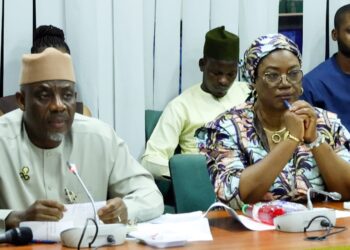
The Education Secretary of Jama’are Local Government Area, Shuaibu Umar, described the intervention as timely and urged the newly recruited teachers to remain committed to their duties.
“We task the newly recruited teachers to uphold their obligations and discharge their duties effectively,” he said.
Umar added that the support would help improve school enrolment and learning outcomes in nomadic communities.
Also commending the intervention, the Emir of Jama’are, Nuhu Wabi, represented by the District Head of Gilar and Gongo, Alhaji Wada, praised CITAD for its contribution to nomadic education and called for greater collaboration from local and international non-governmental organisations.

CITAD had earlier raised concerns over the poor condition of Kondawa Nomadic School, which serves Kwandawa, Digawa, Yangamai Ayas, Kundi, Dolede, Talba and Gundumi communities.
The school, established about eight years ago by the National Commission for Nomadic Education, was designed to accommodate more than 100 pupils but reportedly operates below capacity due to poor infrastructure and inadequate staffing.
Its facilities have deteriorated significantly, with collapsed walls, damaged roofs, vandalised classrooms and an overgrown compound contributing to irregular attendance, as many pupils reportedly resort to grazing and farming activities.
Credit: ThePunch













 EduTimes Africa, a product of Education Times Africa, is a magazine publication that aims to lend its support to close the yawning gap in Africa's educational development.