



























Gaining admission into a higher institution is a major milestone. However, what comes after admission is often less discussed—the financial reality of student life.



Today, it is increasingly clear that surviving and thriving on campus requires more than academic readiness. Students need a reliable financial support system to navigate the demands of higher education.

From accommodation and school fees to feeding, transportation, and daily expenses, the cost of being a student continues to rise. In many cases, institutions demand payments without delay, leaving little room for financial unpreparedness.
For prospective undergraduates, the period between writing the UTME and gaining admission presents a valuable opportunity to prepare.

One of the most practical ways to do this is by learning a skill that can generate income on campus.
Across Nigerian universities and polytechnics, certain vocational skills remain consistently in demand. Students who acquire these skills early often find themselves better positioned to earn and sustain themselves.
📌Phone Engineering
With the widespread use of smartphones among students, phone repair has become a highly lucrative skill. Faulty screens, battery issues, and software problems are common occurrences. A student who is skilled in phone engineering can easily become the go-to technician within their environment, offering quick services for a fee.

📌Barbing
Personal grooming remains a priority, especially among young people. Barbing is a practical skill that requires relatively low startup capital. With tools such as rechargeable clippers, students can operate even in environments with unstable power supply. A well-positioned barber on campus is unlikely to lack customers.
📌Hairdressing
For female students in particular, hairdressing presents a strong business opportunity. Styling, braiding, and other hair services are in constant demand. Students who are skilled and consistent often build a steady client base through referrals and personal networks.
📌Electrical Work
Electricians are essential in student communities where power-related issues frequently arise. From minor repairs to installations, this skill provides continuous opportunities for income. Students with basic electrical knowledge can serve both fellow students and nearby residents.
📌Fashion Design
Clothing is a daily necessity, and fashion trends continue to evolve on campuses. Students who can design and sew simple outfits can gradually build a customer base. Starting small and improving over time is often enough to create a sustainable source of income.
Learning any of these skills before resumption can significantly reduce financial pressure during school years. It also provides students with a sense of independence and responsibility.
Importantly, earning money on campus does not have to come from questionable means. Legitimate skills offer a clear path to income, personal growth, and even long-term entrepreneurship.
Students who begin early often find themselves ahead, not just financially, but in experience and confidence.
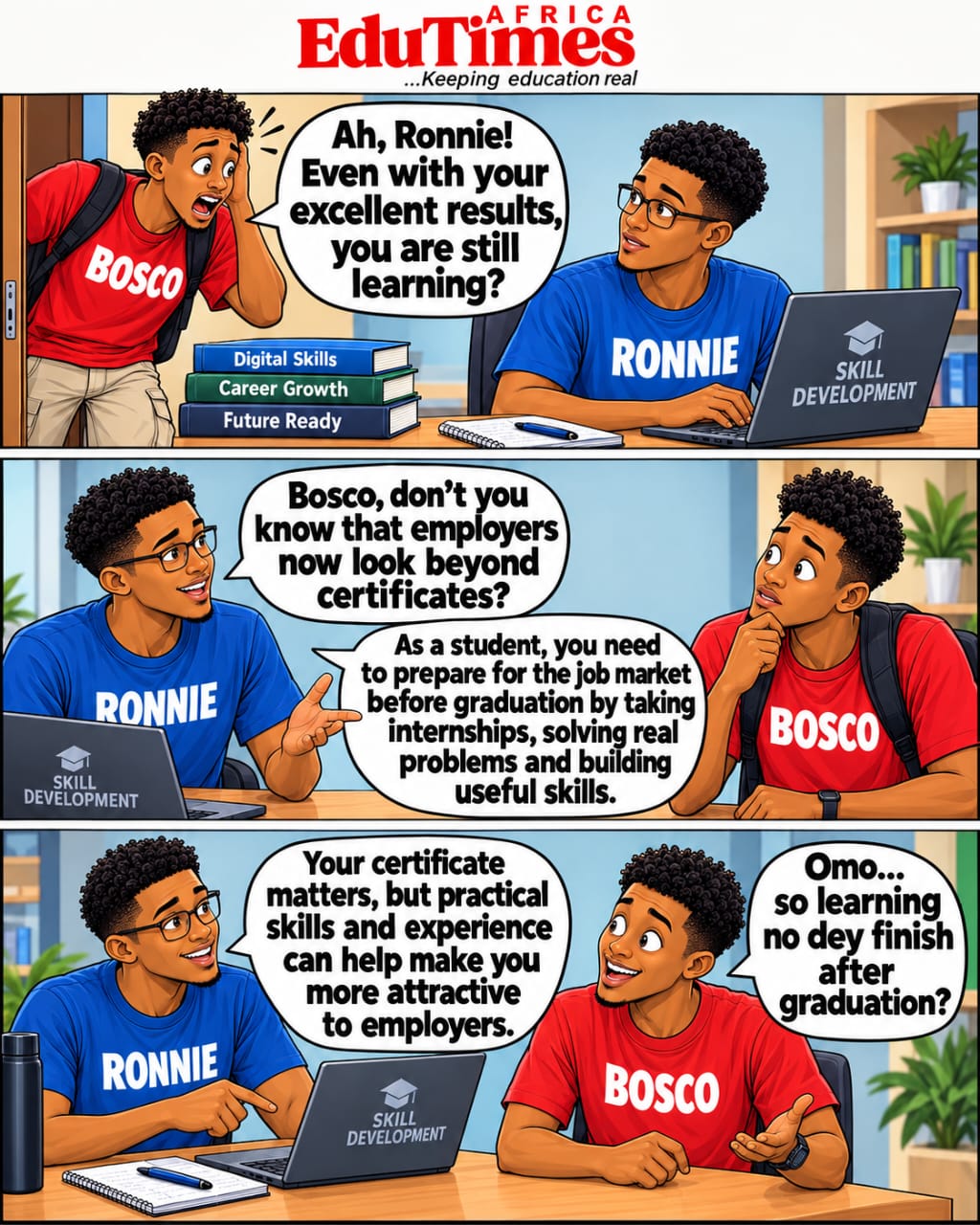
As the next academic session approaches, prospective undergraduates are encouraged to take advantage of this waiting period.
Start something. Learn something. Build something.
The benefits will extend far beyond the classroom.
EduTimes Africa wishes you all the best.












 EduTimes Africa, a product of Education Times Africa, is a magazine publication that aims to lend its support to close the yawning gap in Africa's educational development.