



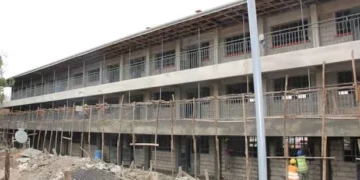



















































Classrooms in Akwa Ibom State are getting a digital upgrade as the state government rolls out an Artificial Intelligence-powered programme to improve how pupils learn basic reading and maths.



The initiative, developed in partnership with EIDU, brings a data-driven approach into public primary schools — one that doesn’t just teach, but tracks how well students are actually learning.

In its first phase, the programme will reach 6,000 pupils across 67 schools in the 2025/2026 academic session.
Instead of the usual one-size-fits-all teaching, the system provides structured lesson guides for teachers and personalised learning activities for pupils, adjusting to each child’s progress in real time.
It also gives school leaders and education managers access to live performance data, helping them quickly identify and address learning gaps.


According to the State Commissioner for Education, Ubong Essien Umoh, the programme aligns with the state’s education reform drive under the ARISE Agenda and reflects the priorities of Governor Umo Bassey Eno.

For many students, this could mean a shift from passive learning to a more interactive, tech-driven classroom experience — one where progress is constantly monitored, not guessed.
Globally, EIDU already works with over 40 governments, reaching more than 790,000 children using its AI-supported learning model.
As technology continues to reshape education, Akwa Ibom’s move signals a growing trend: classrooms are no longer just about chalk and talk — they’re becoming smart, data-powered spaces built for better learning outcomes.












 EduTimes Africa, a product of Education Times Africa, is a magazine publication that aims to lend its support to close the yawning gap in Africa's educational development.