




















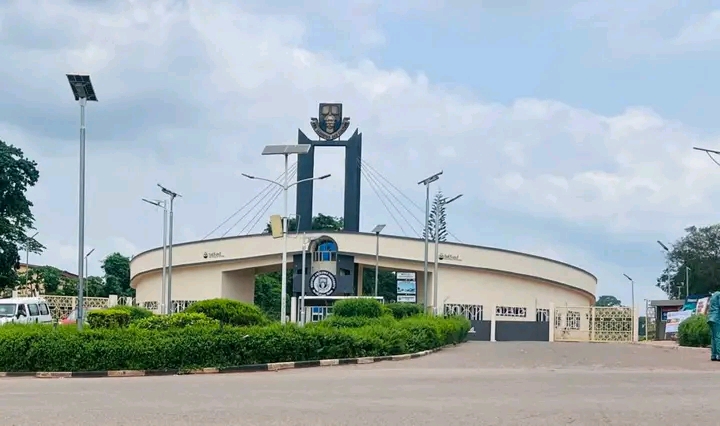


What should have marked the beginning of a professional journey has instead turned into a prolonged legal struggle for a graduate of the Obafemi Awolowo University, where a dispute over degree classification is raising deeper concerns about accountability in Nigeria’s higher education system.
At the heart of the controversy is Shekoni Oluwagbemisola, a 2023 graduate of Physiotherapy under the university’s College of Health Sciences, who has accused the institution of altering her academic record more than a year after she completed her studies.

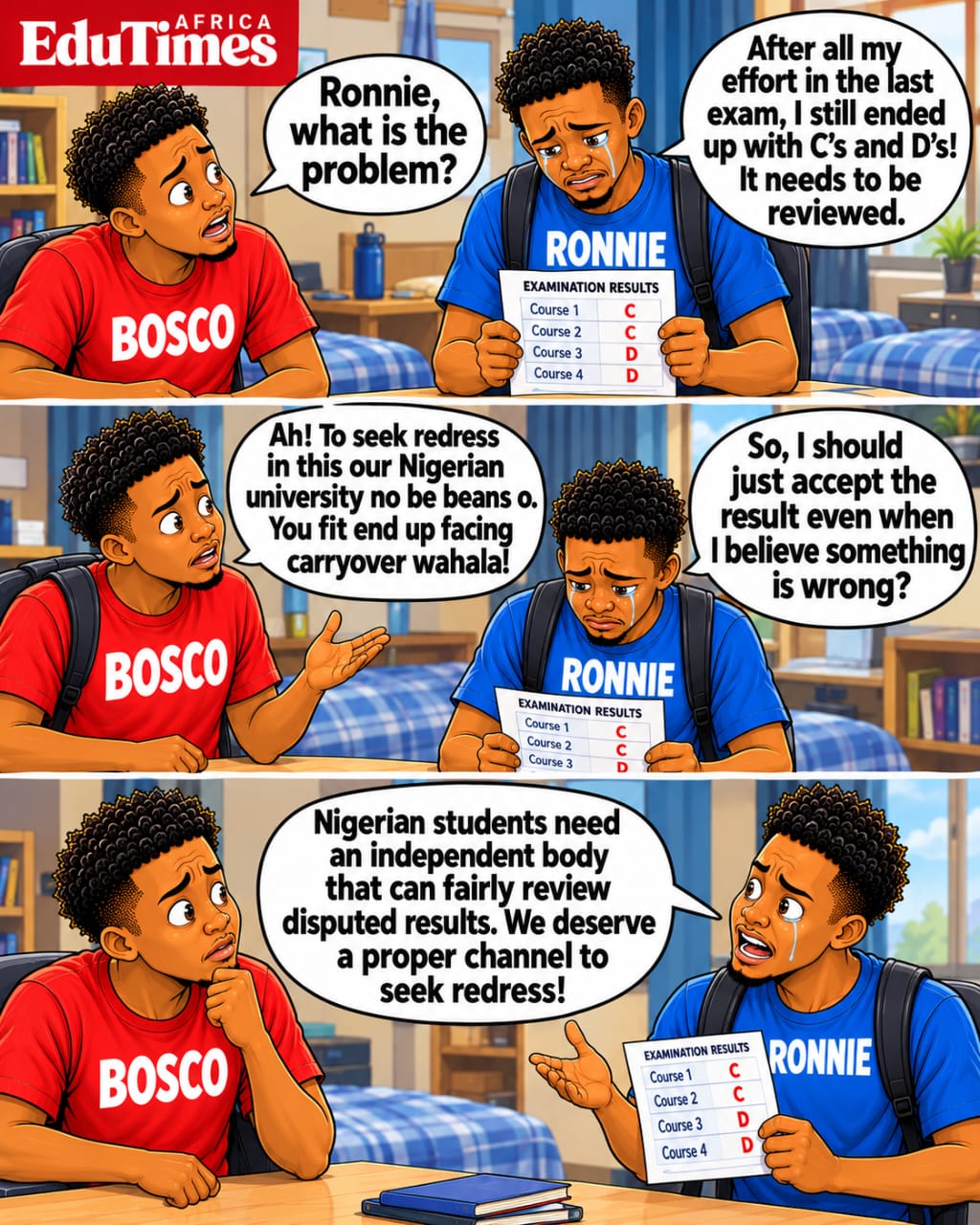
Shekoni maintains that she graduated with a Bachelor of Medical Rehabilitation degree and was awarded a “Pass with Credit,” as reflected in her official Statement of Result dated November 23, 2023, and in the university’s 47th convocation brochure.
However, the situation took an unexpected turn when the university allegedly downgraded her classification to a “Pass” and issued her certificate accordingly. She further claimed that her course of study was changed from Physiotherapy to Occupational Therapy without her consent after graduation.

The university attributed the changes to what it described as an “administrative and computational error,” a claim that would later be tested in court.
In April 2026, the Federal High Court sitting in Osogbo ruled in favour of the graduate. Justice Adefunmilola Demi-Ajayi described the university’s actions as “arbitrary and reckless,” ordering the immediate restoration of Shekoni’s original degree classification and the issuance of a corrected certificate.
The court also awarded ₦5.8 million in damages, holding that the institution failed to provide credible evidence to justify its actions.
“The court finds and holds that the plaintiff has shown… that the defendant committed a wrong by changing her grade,” the judge ruled, granting all reliefs sought.
Yet, despite the clarity of the judgment, compliance has become a fresh point of contention.
Shekoni’s counsel, Princewill Okoroafor, said the university had failed to act after being formally notified of the court’s decision. He revealed that a letter was sent to the Vice-Chancellor, giving the institution three working days to comply.
“We gave them three working days to comply, and the deadline has expired… but the school is yet to implement the judgment,” he said, warning that further legal action may follow.
The university, however, dismissed the ultimatum, insisting that the lawyer lacked the authority to impose a compliance timeline beyond what the court stipulated.

Speaking on behalf of the institution, Public Relations Officer Abiodun Olarewaju said the university was still reviewing the judgment and had not taken a final position.
“I can’t emphatically say whether we will appeal or comply… we will study the judgment and decide what to do,” he said.
For Shekoni, the dispute goes beyond legal arguments. She described the alteration of her results as deeply distressing, noting that it has affected her emotionally and psychologically.
“This is what I worked for. I earned my grade, but it has been taken away. It is not fair,” she said.
She also alleged that similar cases may exist within the College of Health Sciences, calling for greater transparency and safeguards to prevent a recurrence.
As the standoff continues, the case has drawn attention to broader issues within Nigeria’s university system, particularly around record management, institutional responsibility, and the enforcement of judicial decisions.
Credit: ThePunch










 EduTimes Africa, a product of Education Times Africa, is a magazine publication that aims to lend its support to close the yawning gap in Africa's educational development.