





















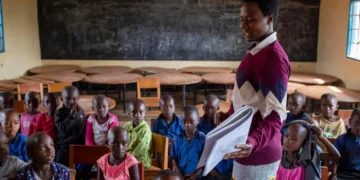































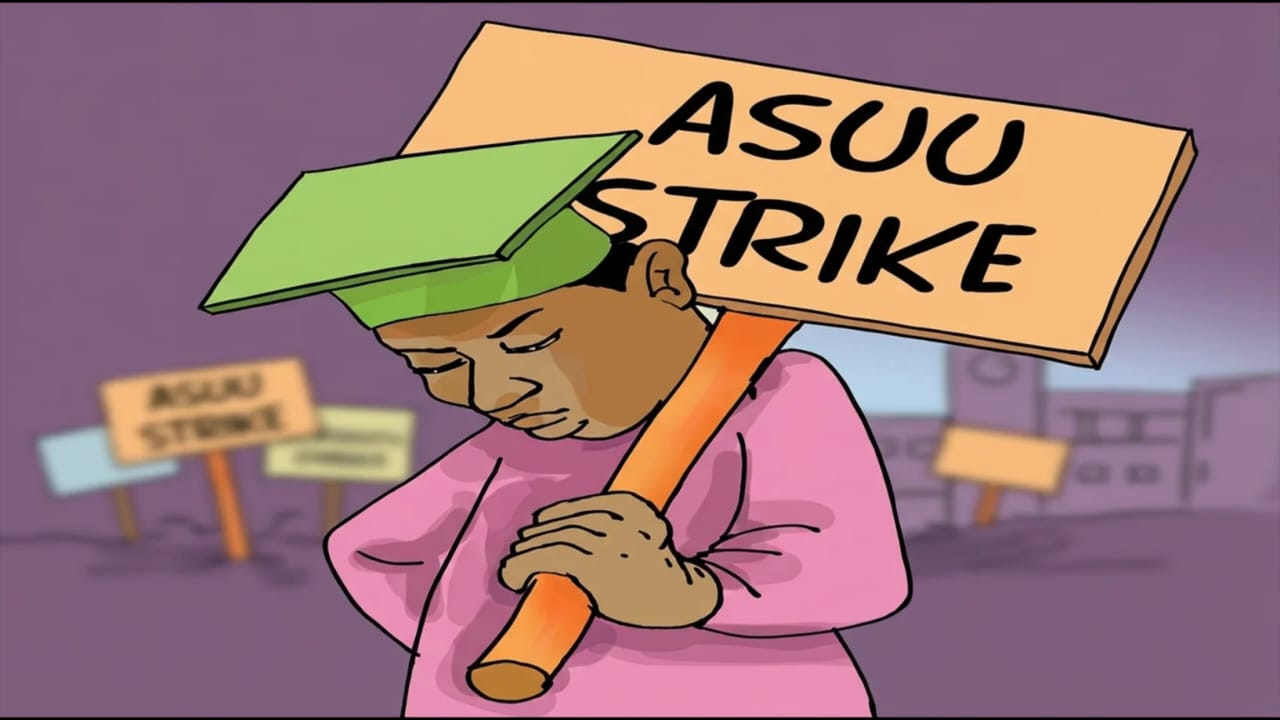


For students at Taraba State University, the return to class after a week-long strike comes with a familiar concern — how long will stability last?



Following the suspension of the strike by the Academic Staff Union of Universities (ASUU) chapter, residents of Taraba State are calling for a different approach: more dialogue, fewer disruptions.

Many say repeated strikes hit students the hardest, delaying graduation timelines and affecting academic focus.
Speaking after lectures resumed, residents commended the state government for stepping in to resolve the crisis, but stressed that continuous engagement between lecturers and authorities is the real solution.

This isn’t just about policy — it’s about losing weeks of lectures, shifting exams, and uncertain academic calendars. Residents also pointed to recent changes in the school, including hostel renovations and reduced tuition fees, even at the postgraduate level, making education more accessible.

They referenced over ₦3 billion reportedly released for infrastructure and staff welfare as a sign that efforts are being made to improve conditions.

One resident, Dr. Sanda Gilbert, urged lecturers to support ongoing reforms, noting that several changes have been introduced since 2023.
Another, Aliyu Ayuba, linked recent government interventions to improved programme accreditation, expressing hope that stronger cooperation would speed up the university’s growth.
Providing more context, the State Commissioner for Tertiary Institutions, Dr. Mike Dio Jen, said the government met over ₦4 billion in salary arrears on ground and has since released over ₦1 billion, with additional funds approved to continue payments.
He added that the university’s wage bill has risen from about ₦308 million to over ₦636 million monthly, following the implementation of the new minimum wage — yet salaries have remained consistent.
Beyond wages, the government has invested over ₦2 billion in hostel upgrades, alongside funding for programme accreditation and convocation activities.
For students watching from lecture halls, the message is clear:
less conflict, more collaboration could mean a smoother academic journey.












 EduTimes Africa, a product of Education Times Africa, is a magazine publication that aims to lend its support to close the yawning gap in Africa's educational development.