

















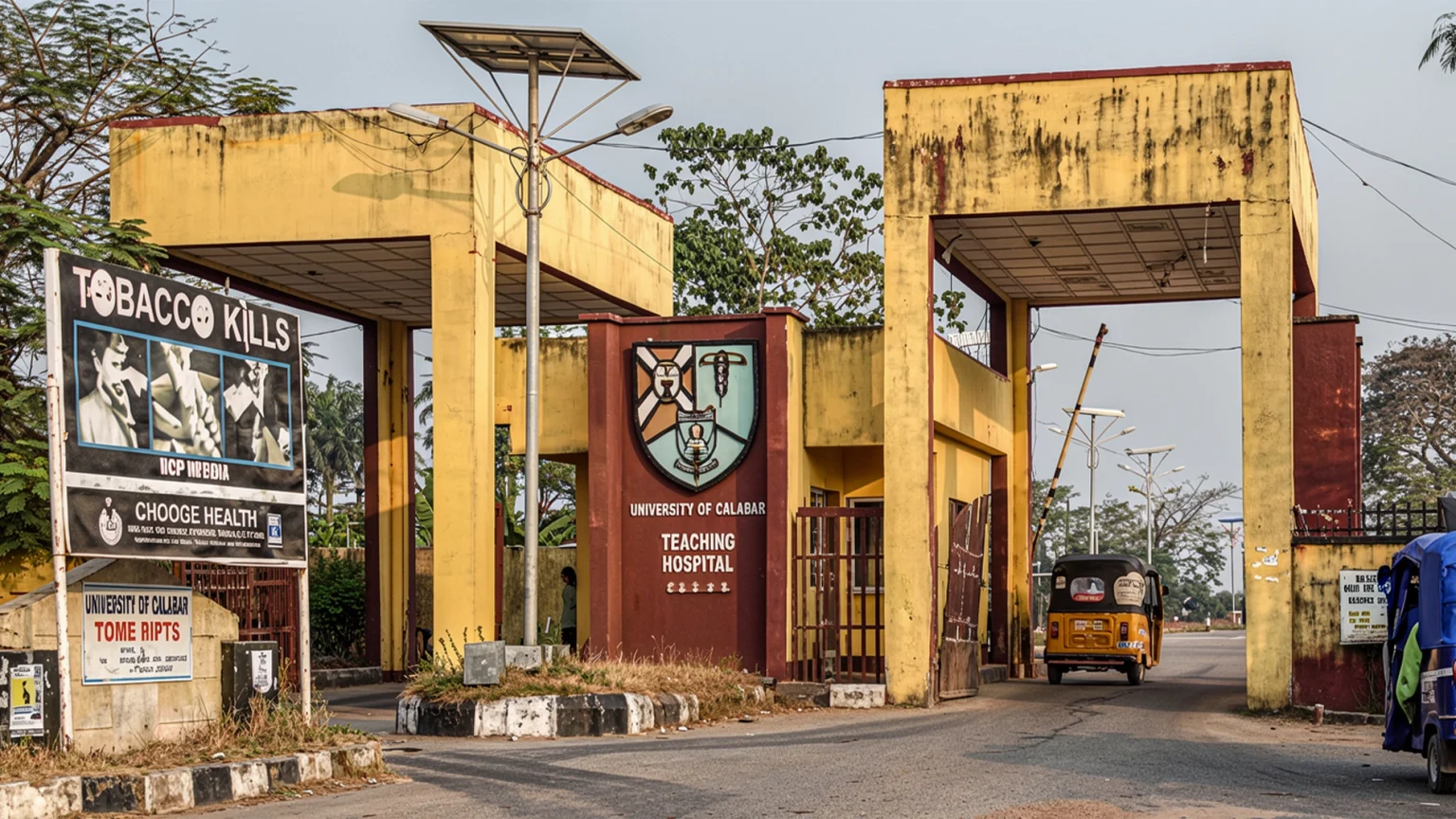


At a time when trust in university systems is constantly questioned, the University of Calabar is making a bold attempt to reset the narrative.


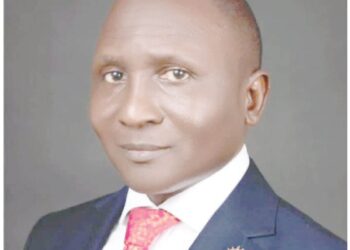
The Vice-Chancellor, Prof. Offiong Offiong, has declared a crackdown on admission irregularities, certificate racketeering, and other forms of malpractice within the institution.

Speaking ahead of the university’s 38th convocation, he made it clear that the era of “anything goes” is over.
“We have taken a firm position, no more over-admissions,” he said, revealing that officials linked to the practice are already facing disciplinary action.

Beyond admissions, the university is also going after those involved in fake certificates and forged signatures—some of which are allegedly produced in business centres.
“We are tracking those behind it… once apprehended, we will expose them,” he said.
For students, this signals a shift toward a system where merit—not manipulation—matters more.
As part of the reforms, the university has reinstated its Central Admissions Committee to ensure transparency and adherence to approved quotas. Employment processes, the VC added, will now be strictly merit-based, with a warning to the public against paying for jobs or admission.
There’s also a push for digitalisation.
From transcript processing to verification, UNICAL is moving its operations online to reduce delays, close loopholes, and improve efficiency.

While the cleanup continues, the university is still preparing to graduate over 10,820 students during its 38th convocation, scheduled from April 2 to April 12, 2026.
For Prof. Offiong, who assumed office in December 2025, this moment is more than a ceremony—it’s a test of a new direction built on integrity, innovation, and accountability.
Rebuilding trust in the system may take time, but the process has started and this time, the university says it’s serious.
Credit: TheGuardian







 EduTimes Africa, a product of Education Times Africa, is a magazine publication that aims to lend its support to close the yawning gap in Africa's educational development.