



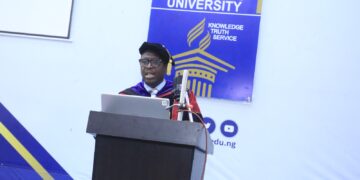


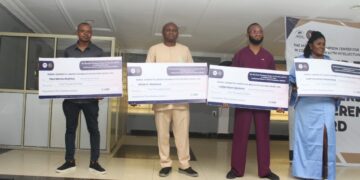






















The United Nations Educational, Scientific and Cultural Organisation has, in partnership with the Federal Government, inaugurated the world’s first International Media and Information Literacy Institute (IMILI) in Nigeria.

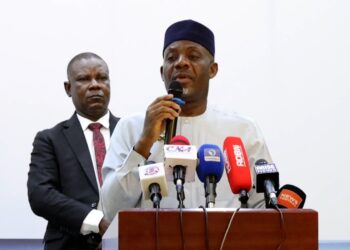
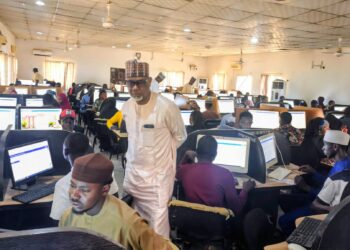
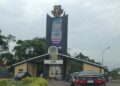
The institute, located at National Open University of Nigeria, is designed to serve as a global hub for research, innovation, and capacity development in media and information literacy.


Speaking at the event, UNESCO’s Assistant Director-General for Communication and Information, Mariya Gabriel, described the initiative as a historic milestone that places Nigeria and Africa at the forefront of efforts to strengthen critical thinking and responsible information use.
She noted that the institute comes at a time when the rapid growth of information globally has made it increasingly important for individuals to distinguish between credible and misleading content.

According to her, IMILI will provide support for governments, educators, media professionals, and young people by equipping them with the skills needed to navigate information responsibly, counter misinformation, and participate effectively in democratic processes.

Gabriel added that the institute would drive policy development and promote innovation in the media and information space, ultimately contributing to more informed and empowered societies.
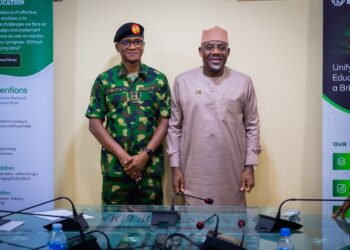
The inauguration attracted key government officials, including George Akume, Secretary to the Government of the Federation; Mohammed Malagi, Minister of Information and National Orientation; Suwaiba Ahmad, Minister of State for Education; and Uduma Uduma, Vice-Chancellor of the National Open University of Nigeria.
The development is expected to enhance global collaboration in media literacy while positioning Nigeria as a key player in advancing information education and digital responsibility.





 EduTimes Africa, a product of Education Times Africa, is a magazine publication that aims to lend its support to close the yawning gap in Africa's educational development.