













































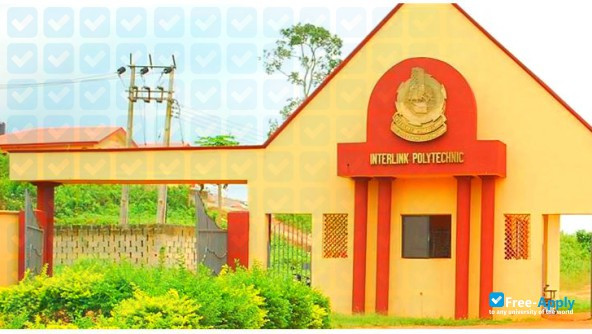


The atmosphere around Interlink Polytechnic has been soaked in grief following the tragic death of a final-year Mass Communication student, Adeife Oluwaseun, whose life reportedly ended while rushing to pay for his examination and return to campus in time to write his paper.



A young man with dreams. A student on the verge of graduation. A son whose parents likely looked forward to the day they would proudly celebrate his success. All gone within moments on a road between survival and academic pressure.

According to reports, Oluwaseun had been denied access to the examination hall because he could not present proof of payment. In desperation not to miss his final-year examination, he reportedly travelled to Ilesa to make payment at a bank before attempting to race back to school. Sadly, the journey ended in horror after he became involved in a fatal road accident.
Now, a seat in the classroom is empty forever.

Classmates are grieving. Friends are shattered. Parents who once sent their child to school with hope are now faced with unbearable loss. What should have been a season of final examinations and graduation preparations has suddenly turned into mourning.
But beyond the tears and condolences lies a disturbing question: why are students still being subjected to dangerous and unnecessary stress just to validate school payments?
How does an institution in today’s world still operate a system that forces students to leave campus under pressure before they can access an examination hall? Why must students travel to another town to complete payment procedures in the middle of examinations?
This tragedy exposes more than administrative weakness; it reveals a painful disregard for student welfare.
In an age of digital banking, online transactions, and instant payment verification, it is unacceptable that students still risk their lives navigating stressful roads because of outdated systems. Schools are meant to provide safe learning environments, not conditions that push students into panic and desperation.
The death of Oluwaseun should trouble every conscience within the management of Interlink Polytechnic. A young student did not die chasing crime or violence; he reportedly died trying to satisfy institutional demands and avoid missing an examination that could determine his future.

That reality is heartbreaking.
Even more disappointing is the silence from the institution’s management as outrage and sorrow continue to spread among students and parents. In moments like this, silence feels insensitive. Students deserve empathy, accountability, and immediate reforms — not bureaucratic coldness.
Parents and stakeholders are right to demand change. There should be accessible payment systems within the school environment, partnerships with nearby commercial banks, or fully digital alternatives that eliminate unnecessary travel during critical academic periods.

No student should have to choose between missing an examination and risking their life on the road.
Oluwaseun’s death is not just another news headline. It is a painful reminder of how institutional negligence and poor administrative planning can destroy lives, silence dreams, and leave families broken forever.













 EduTimes Africa, a product of Education Times Africa, is a magazine publication that aims to lend its support to close the yawning gap in Africa's educational development.