





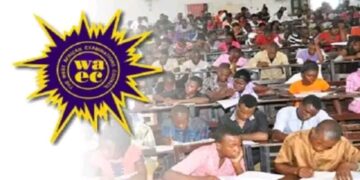









































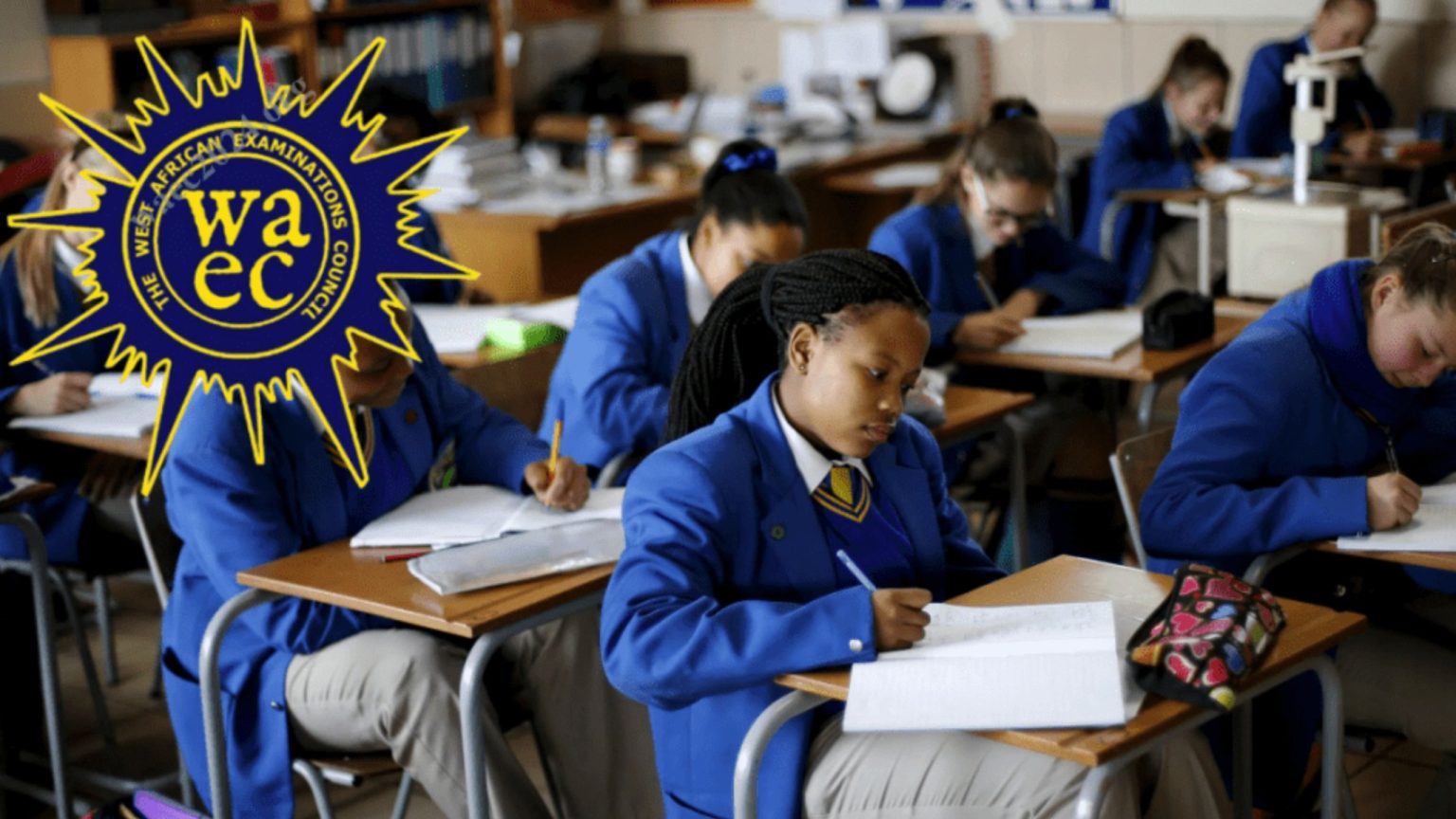


As Ghanaian students topped the regional rankings in the 2025 West African Senior School Certificate Examination (WASSCE), questions are again surfacing about what helps students succeed and what may be holding others back.


For many young Nigerians, exam performance is often linked to reading harder or preparing better. But the Head of Nigeria National Office of the West African Examinations Council, Amos Dangut, says the conversation may need to go beyond students and focus more on the learning conditions around them.

Speaking against the backdrop of Ghanaian students’ strong performance in the 2025 results, Dangut advocated a review of human and material resources in schools, arguing that improvements are necessary to boost performance in public examinations.
He spoke during the 74th yearly national council meeting of WAEC, where three Ghanaian students emerged as the highest-performing candidates among 2,612,830 candidates from The Gambia, Ghana, Liberia, Nigeria and Sierra Leone.

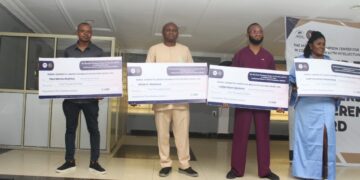
The students — Huda Suleman, Paula Suwo and Matthea Andoh — recorded the highest cumulative scores in the school examination.

According to Dangut, the outcome raises important questions about the state of education in Nigerian schools.
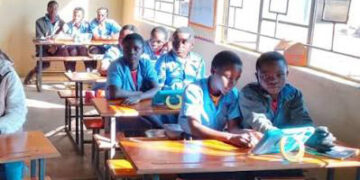
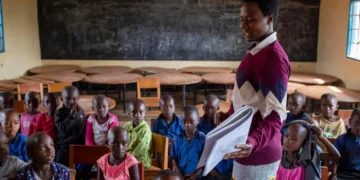
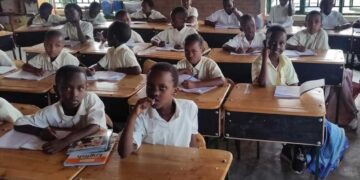
He questioned whether schools have enough qualified teachers and whether laboratories, examination facilities and learning environments are adequate to support effective teaching and learning.
“Do schools have enough qualified teachers?” Dangut asked, while stressing the need to examine whether laboratories and other facilities are sufficient, functional and supported by a conducive environment for learning.
He explained that WAEC’s role is to provide examination data and information, while education planners and managers are expected to use such data to formulate policies that improve student outcomes.
Dangut noted that Ghana’s recent dominance marks a shift from previous years when Nigerian candidates often occupied top positions in the regional WASSCE rankings.

The 2025 WASSCE figures from Nigeria also reflect broader concerns.
Out of 1,969,313 candidates who sat for the examination, 754,545 obtained credits and above in at least five subjects, including English Language and Mathematics — representing 38.32 per cent of total candidates.
Credit: TheGuardian










 EduTimes Africa, a product of Education Times Africa, is a magazine publication that aims to lend its support to close the yawning gap in Africa's educational development.