



























































The renewed military confrontation between the United States and Iran has sent fresh shockwaves through global energy markets, with Brent crude rising above $90 per barrel as fears grow that the crisis could further disrupt oil shipments through the strategically important Strait of Hormuz.



The latest escalation followed US airstrikes on Iranian rocket launchers on Larak Island near the Strait of Hormuz on Sunday. Iran subsequently launched missiles towards US military positions in Jordan, with the attacks reportedly intercepted.

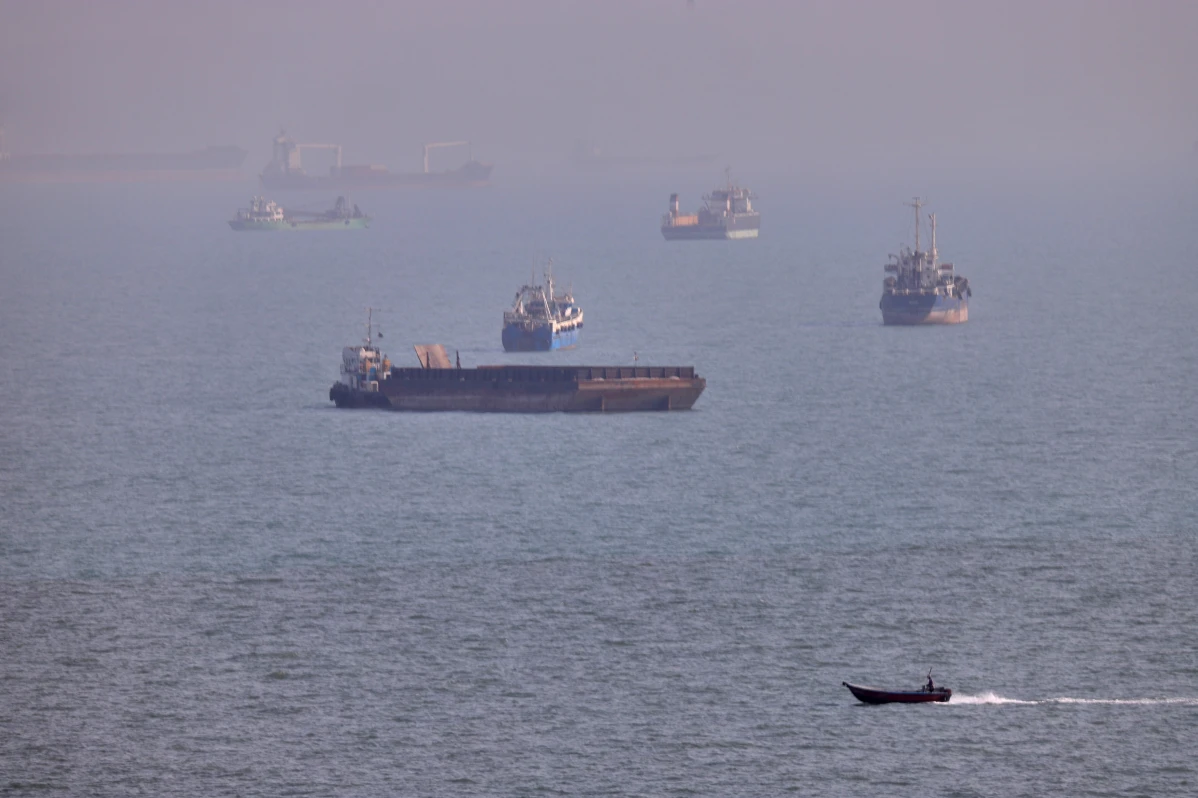
The development marks the latest escalation in a conflict that has already disrupted shipping through one of the world’s most important energy corridors.
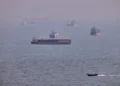
The Strait of Hormuz connects the Persian Gulf with the Gulf of Oman and the Arabian Sea. It is a critical route for global oil and gas supplies, with about one-fifth of the world’s oil shipments normally passing through the waterway.

However, shipping activity has fallen sharply amid the conflict, raising concerns about the possibility of further supply disruptions and higher energy prices.
Oil rises above $90
Global oil markets reacted immediately to the renewed fighting.
Brent crude rose to around $90.45 per barrel on Monday after reaching an intraday high of $91.52, while West Texas Intermediate climbed to about $85.71.
The latest price movement is significant because energy prices influence transportation, manufacturing, electricity generation, food production and the general cost of living across the world.
A Reuters survey published Monday found that analysts expect Brent crude to remain above $80 per barrel on average in 2026, with geopolitical risks surrounding Middle East oil supplies continuing to support prices.
What does this mean for Nigeria?
For Nigeria, a major crude oil-producing country, higher international oil prices could present both an opportunity and a challenge.
Higher crude prices could increase government oil revenues and foreign exchange earnings if Nigeria is able to maintain or increase production. Stronger oil receipts could potentially support government finances and strengthen the country’s external position.
But higher global energy prices can also increase the cost of transporting goods and services and complicate efforts to contain inflation.
Nigeria’s exposure is particularly important because the country’s economy remains heavily dependent on crude oil earnings, even as the government seeks to diversify its revenue base.
The situation also comes at a time when Nigeria is expanding the use of compressed natural gas (CNG) as an alternative fuel and promoting domestic refining capacity.
The renewed volatility in global oil markets therefore reinforces the importance of Nigeria developing a more resilient energy system that is less vulnerable to geopolitical shocks.


A crisis beyond oil
The consequences of the US-Iran confrontation are not limited to crude prices.
The Strait of Hormuz is also a major route for the movement of liquefied natural gas and other energy products. Any prolonged disruption could increase shipping costs, insurance premiums and the prices of energy commodities in international markets.
Financial markets have already responded to the renewed fighting. US stocks declined on Monday while energy companies gained as investors assessed the implications of the conflict for global supplies.
There are also growing concerns that a prolonged energy shock could make inflation more difficult for central banks to control.
For developing economies such as Nigeria, where households and businesses remain sensitive to fuel, transport and food prices, the consequences could be particularly significant.
Diplomacy faces another test
The latest exchange of fire also threatens efforts to prevent the conflict from widening.
The United States has intensified economic pressure on Iran, with US Treasury Secretary Scott Bessent announcing plans for weekly secondary sanctions targeting Iranian financial networks.
Meanwhile, uncertainty remains over the future of shipping through the Strait of Hormuz.
The crisis has demonstrated once again how quickly a conflict in one part of the world can affect economies thousands of kilometres away.
For Nigeria, the immediate question is not simply whether crude oil prices will remain above $90 per barrel. It is whether the country can convert any increase in oil revenue into stronger public finances while shielding households and businesses from the inflationary consequences of a prolonged global energy crisis.
The developments in the Gulf will therefore remain a major story for Nigeria and the global economy in the days ahead.















 EduTimes Africa, a product of Education Times Africa, is a magazine publication that aims to lend its support to close the yawning gap in Africa's educational development.