






















Education experts across Africa have called on governments to improve the allocation and management of education funds to ensure that public spending delivers better learning outcomes and reaches the schools and learners who need support most.
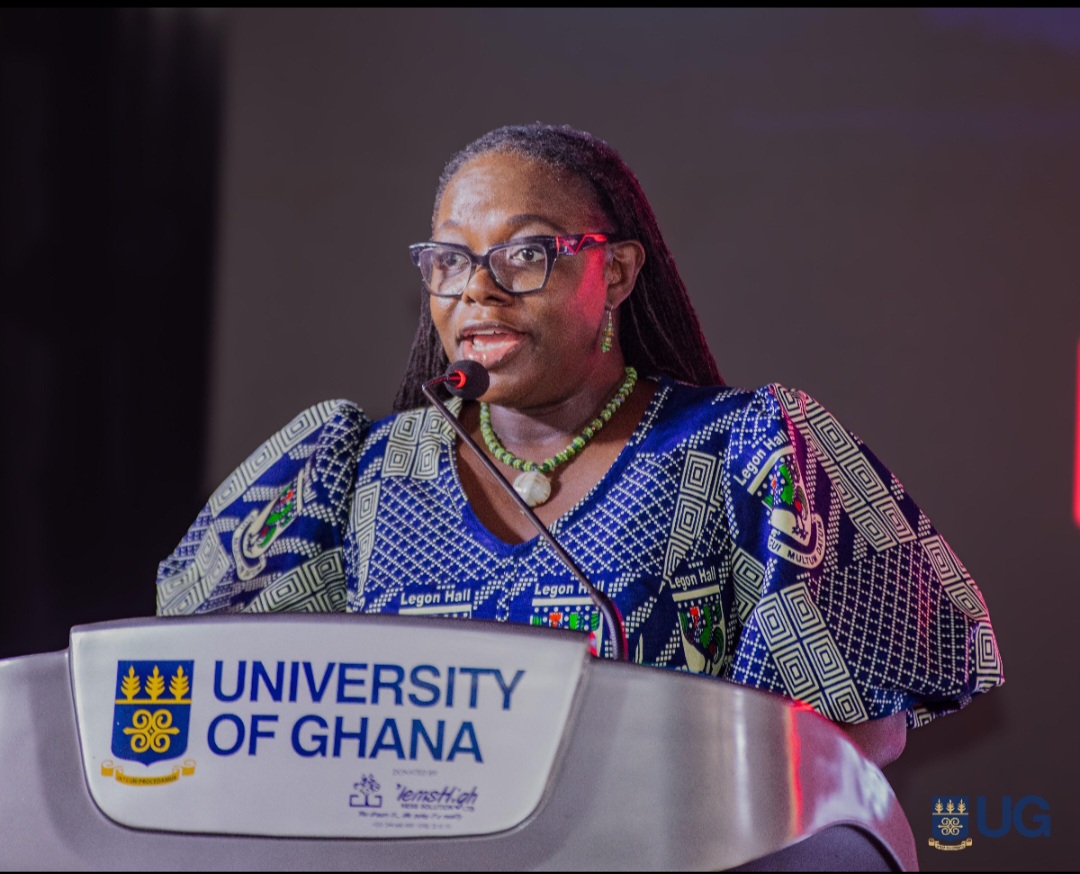
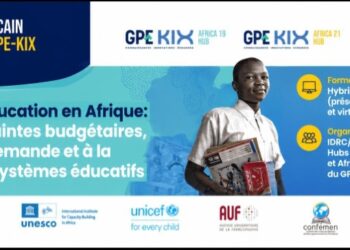
The call was made at the fifth Global Partnership for Education Knowledge and Innovation Exchange (GPE KIX) Africa Research Symposium, which opened in Nairobi, Kenya, on 21 October 2026 and is scheduled to conclude on 23 October.

The three-day meeting brought together policymakers, researchers, education and finance officials, and development partners to examine how African countries can sustain quality and equitable education amid growing demand and pressure on public resources.
According to the African Union, discussions at the symposium highlighted the need to mobilise adequate funding, improve spending efficiency and ensure that financial resources reach schools in a timely and predictable manner.

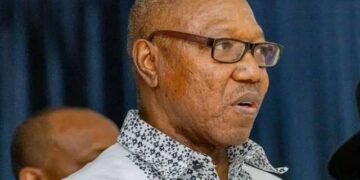
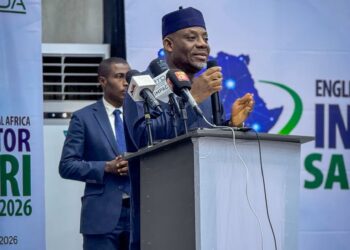
Kenya’s Principal Secretary for Basic Education, John Lekakeny Ololtuaa, called for stronger links between research findings, government policies and budget decisions. He emphasised the importance of sustainable domestic financing, effective resource allocation and accountability.
Participants also examined the challenges facing education systems, including constrained public revenue, debt burdens, increasing enrolment and persistent inequalities in access to quality learning.
The discussions identified four priorities for improving education financing: securing adequate funding, distributing resources more equitably, ensuring that approved budgets translate into actual school funding, and using reliable evidence to guide spending decisions.
Experts stressed that funding decisions should reflect differences in school conditions and learners’ needs, particularly in disadvantaged communities. They also highlighted the importance of protecting investment in teachers, foundational learning, teaching materials and essential infrastructure.
The symposium further explored ways to strengthen technical and higher education through financing approaches that connect training institutions with industry. Presentations from countries including Zimbabwe, Cameroon and Tanzania examined approaches to practical skills development and partnerships intended to improve young people’s transition into employment.

Participants also considered how education systems could protect learning opportunities for children affected by conflict, displacement and financial hardship. Such circumstances can interrupt schooling and widen existing inequalities, making targeted and reliable funding particularly important.
The meeting aims to connect research evidence with practical policy and budget decisions. Its discussions are expected to inform approaches to education financing, including resource allocation, expenditure tracking and accountability.
For African governments, the central challenge is not simply to increase education budgets but to ensure that available resources translate into measurable improvements in access, teaching quality and learning outcomes.










 EduTimes Africa, a product of Education Times Africa, is a magazine publication that aims to lend its support to close the yawning gap in Africa's educational development.
