













































There are Nigerian youths who continue to push through difficult realities by making use of available opportunities to pursue their dreams.
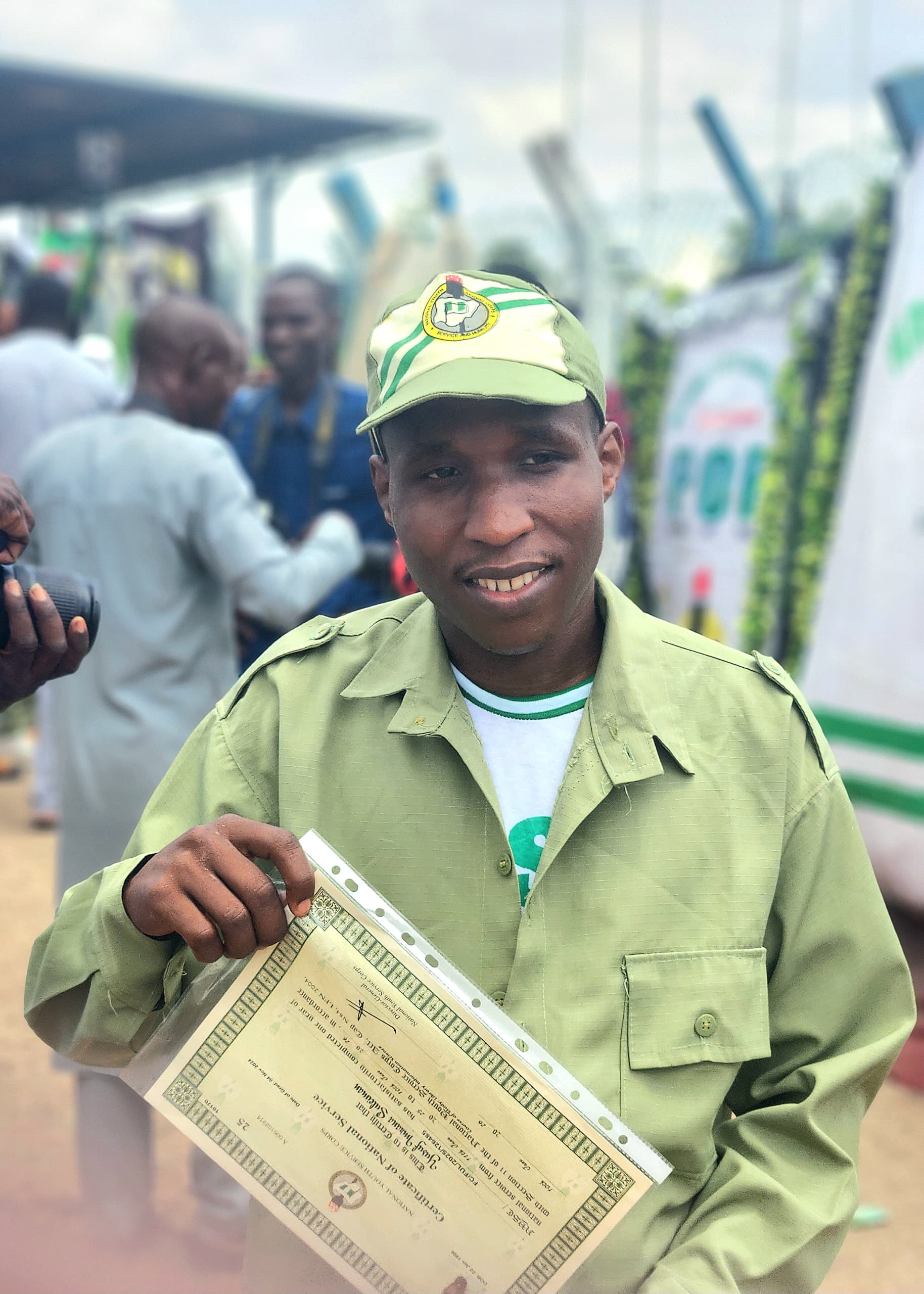
Imrana Yusuf, a NELFUND beneficiary who has just completed the National Youth Service Corps (NYSC), appears to belong to that category — the kind of Nigerian youth who chooses resilience and determination despite financial hardship.
Recall that on May 21, 2026, EduTimes Africa published a story regarding Imrana. In the story, he shared a message of appreciation and prayer for the NELFUND Managing Director, Mr. Akintunde Sawyer, and the Federal Government.
However, in a follow-up interview held with the beneficiary, he gave a breakdown of his academic journey — one that reflects hope, resilience, determination, and discipline. His story further reinforces the saying that “A journey of a thousand miles begins with a single step.”

For Imrana, a young Nigerian from a humble background who hails from Kano State, it all started with a stubborn determination to get educated despite financial limitations, family background, and societal pressure, yet he pulled through.
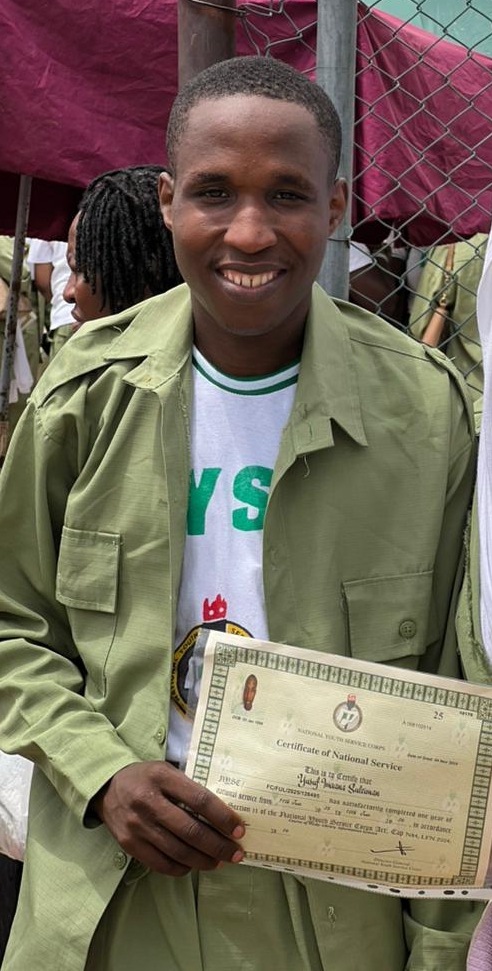
Now a proud Nigerian graduate, the NELFUND beneficiary recounts his journey:
Kindly introduce yourself and tell us your background.
Response: My name is Imrana Suleiman Yusuf. I’m a proud graduate of the Federal University of Lafia in Nasarawa State, and I come from Takai Local Government Area in Kano State. That’s home for me. Growing up, money was never easy for my family, so the idea of going to university felt like a distant dream at times. But I’m stubborn in a good way. I kept pushing.
With a lot of determination and some crucial help from people who believe in education, I made it through.
What course did you study and what motivated your choice of study?
Response: I studied Library and Information Science at the same university. Why that? Because I genuinely love knowledge, not just hoarding it for myself, but organizing it and helping others find what they need to grow. I’ve always believed that information is power. If you can access the right knowledge at the right time, you can change your life. That belief still drives me.
Which institution did you attend, and when did you graduate?
Response: I’m a proud graduate of the Federal University of Lafia in Nasarawa State. I graduated in the 2024/2025 academic year. It feels good to say that out loud.
What were the major financial challenges you faced as an undergraduate?
Response: The biggest monster I faced was financial instability. There were times I didn’t know how I’d pay for tuition, rent, transport, even textbooks or a simple meal. My family wanted to help but they just couldn’t. And there were many nights when I wondered if I’d have to drop out.
How did these financial challenges affect your academic life and campus experience?
Response: That pressure really weighed on me. I remember trying to study for exams while my mind was stuck on how to afford the next week. It’s exhausting. It affected my focus, my mood, and my campus life. But somehow, deep down, I refused to let go of my goal. I kept showing up.
How did you hear about the NELFUND programme, and what influenced your decision to apply?
Response: I first heard about NELFUND when I was in 200 level. Someone mentioned it, and I remember thinking, Wait, this could be for me. So I asked around, did my research, and realized it was a real chance for students like me who were hanging on by a thread. I applied because I wasn’t ready to let money steal my future.
In what specific ways did the NELFUND loan support your education journey?
Response: NELFUND changed everything for me. It didn’t just pay bills, it gave me peace of mind. For the first time in a long while, I could sit in class without that heavy knot in my stomach. I could buy materials. I could breathe. The support gave me stability, hope, and the confidence that someone out there believed I deserved to finish.
Looking back, how impactful was NELFUND in helping you complete your studies successfully?
Response: Looking back now, I can say without exaggeration that NELFUND helped me cross the finish line. It was a lifeline. For a student who was constantly scrambling, that loan was more than money; it was encouragement. It said, Keep going. You matter.
What challenges would you have faced if you had not benefited from the NELFUND programme?
Response: If NELFUND hadn’t been there, I honestly don’t know how I would have managed. Probably more sleepless nights, more anxiety, maybe even dropping out for a semester or two. My family would have suffered alongside me. That support lifted a huge weight off all of us.
What inspired you to share this message after completing your NYSC?
Response: Now that I’ve completed my NYSC, I feel like it’s my turn to speak up. Not to brag, but to say thank you and to remind other students in the same tough spot that there is hope. I want them to hear my voice and think, If Imrana made it, maybe I can too.
Now that you have completed NYSC, what are your future expectations and career plans?
Response: So what’s next for me? I want to build a real career. I want to contribute to my community, to my field, to any young person who feels like giving up because of money. I want to keep learning and growing, but more than that, I want to be the kind of person who reaches back and helps pull someone else forward. Just like NELFUND did for me.
At EduTimes Africa, we strongly believe that every Nigerian deserves access to education and opportunities. As such, it is part of our journalistic responsibility to bring verified information and developments regarding education, opportunities, and related matters to your attention.
As Imrana’s journey inspires, it also offers more clarity on the NELFUND initiative — its purpose, possibility, and impact. The ball is now in the court of Nigerian youths who wish to pursue higher education despite financial challenges.








 EduTimes Africa, a product of Education Times Africa, is a magazine publication that aims to lend its support to close the yawning gap in Africa's educational development.