
























South Africa’s latest education reforms have placed foundational learning, teacher accountability and early childhood development at the centre of its plans to improve basic education. However, the success of these measures will depend on whether government commitments translate into better classroom experiences and measurable improvements in learning outcomes.
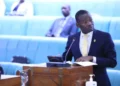


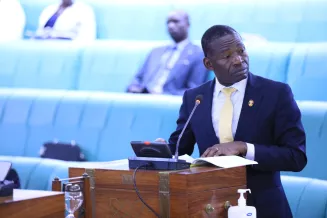
On 27 May 2026, the country’s Minister of Basic Education, Siviwe Gwarube, announced a series of reforms during the presentation of the Department of Basic Education’s 2026/27 budget. According to the South African Government, the programme includes targeted teacher training, improved support for financially strained provincial education departments, changes to school performance assessments and measures to expand access to early childhood development. “Source: South African Government” (https://www.gov.za/news/media-statements/minister-siviwe-gwarube-announces-major-basic-education-reforms-27-may-2026).

The announcements reflect a broader policy challenge facing education systems across Africa: how to move from ambitious reform plans to consistent improvements in teaching and learning.
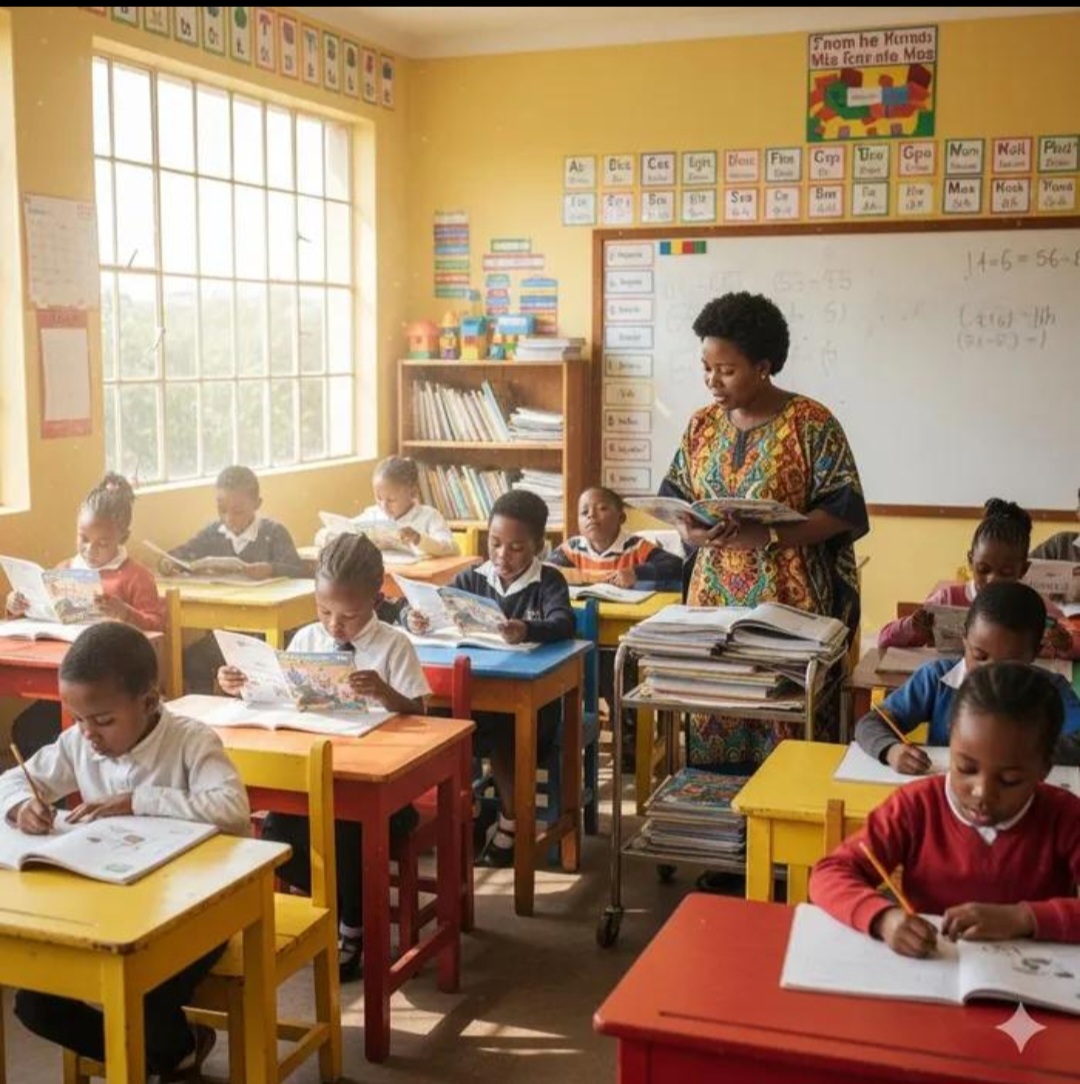
One of South Africa’s priorities is foundational literacy and numeracy. The government announced plans to provide targeted literacy and numeracy training to 10,000 Foundation Phase teachers during the 2026/27 financial year. It also pledged to refresh implementation of the National Reading Literacy Strategy.

The initiative recognises the importance of teachers in improving learning outcomes, particularly during the early years of schooling. However, training targets alone cannot demonstrate that pupils are learning more effectively. The impact will depend on the quality of professional development, opportunities for teachers to apply new methods, the availability of appropriate learning materials and sustained support from school leaders.
For policymakers, the key question is how the government will measure the results of the training. Transparent reporting on teacher participation, classroom practice and pupil progress would help establish whether the programme is delivering the intended benefits.
The government has also announced plans to change how provincial matric performance is assessed. Rather than allowing the matric pass rate to dominate comparisons between provinces, the proposed approach will consider a broader range of indicators, including learner retention, bachelor’s passes, participation in mathematics, literacy and numeracy progression, and overall learning improvement.
This approach could provide a more balanced picture of education quality. A pass rate alone does not fully explain whether learners remain in school, develop strong foundational skills or gain access to the qualifications needed for further education.

However, a broader assessment framework will only be useful if the indicators are clearly defined, consistently measured and publicly reported. Differences in provincial resources and learner circumstances must also be considered when comparing performance. Without transparent methodology, a new ranking system could introduce additional complexity without necessarily improving accountability.
Funding presents another important test. The South African Government announced an allocation of R38.2 billion for the Department of Basic Education for 2026/27, including R11 billion for the National School Nutrition Programme, R16 billion for the Education Infrastructure Grant and R4.6 billion for the Early Childhood Development Grant.
These allocations cover different aspects of the education system, from nutrition and infrastructure to early childhood services. Their impact will depend on how effectively the funds are distributed, spent and monitored. Provincial financial pressures, delays in infrastructure projects and weaknesses in procurement could undermine the intended benefits if they are not addressed.
The government has announced a multidisciplinary technical support team to assist provincial education departments facing severe financial difficulties. The team is expected to provide support with budget planning, financial analysis, school resourcing and financial stabilisation.
The effectiveness of this intervention will depend on whether technical assistance leads to practical improvements in financial management and service delivery. Public reporting on expenditure, project completion and the condition of school facilities would help parents, teachers and other stakeholders assess progress.
Early childhood development is another significant part of the reform agenda. The government reported that registrations of early childhood development centres had increased by 200 per cent since 2021, with access expanding to 1.2 million children. It also announced an early childhood nutrition pilot in the Eastern Cape to address hunger, malnutrition and stunting during the early years of development.
The department further announced plans to develop national screen-time guidelines for children aged two to six. These measures reflect growing attention to the relationship between children’s early experiences, health and readiness to learn.

Nevertheless, expanding registration and access must go hand in hand with quality assurance. Children need safe learning environments, qualified and supported caregivers, appropriate learning materials and adequate nutrition. Policymakers must therefore establish how increased access will be matched by consistent standards and effective monitoring.
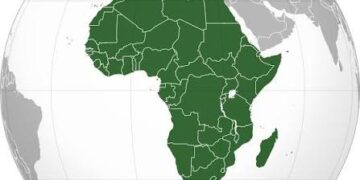
South Africa’s experience also raises questions relevant to other African countries undertaking education reforms. A December 2024 synthesis by UNICEF Innocenti, drawing on research involving more than 167,000 schools across 33 African countries, identified four important elements of effective implementation: clear planning, well-defined responsibilities, resources suited to local conditions, and the use of data to improve decisions.
The research provides a useful framework for evaluating South Africa’s plans, although it is not a direct assessment of the country’s 2026 reforms. It suggests that policy design must be accompanied by practical implementation arrangements, sufficient resources and systems that allow governments to identify what is working and what needs to change.
For teachers, the immediate concern is whether reforms provide the training, materials and support needed to improve instruction. For parents, the test is whether children receive better teaching, safer learning environments and more reliable access to essential services. School leaders need clear guidance and adequate resources, while policymakers must demonstrate that public spending produces measurable results.
South Africa’s reform agenda sets out several priorities that matter to education systems across the continent. Yet announcements, budget allocations and performance frameworks are only the beginning. The more important test will be whether these commitments result in better learning outcomes, more equitable access and stronger public accountability.
For governments across Africa, the lesson is clear: education reform should not be judged only by what is announced, but by what changes in schools and what learners ultimately achieve.
Sources
1. South African Government, Minister Siviwe Gwarube announces major basic education reforms, 27 May 2026:
2. UNICEF Innocenti, Implement: Bridging the gap between policy and practice, December 2024:










 EduTimes Africa, a product of Education Times Africa, is a magazine publication that aims to lend its support to close the yawning gap in Africa's educational development.
