



























Uganda’s move to professionalise teaching through new legislation has renewed attention on teacher standards, professional accountability and the conditions needed to improve learning outcomes. However, the impact of the reform will depend on how effectively the proposed framework is implemented and whether teachers receive the support needed to meet higher professional expectations.



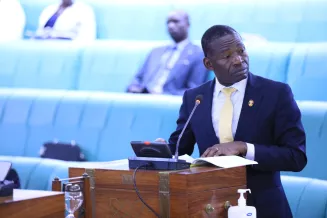
On 23 April 2026, Uganda’s Parliament passed the National Teachers Bill, 2024, marking a significant step towards establishing a more coordinated framework for managing and developing the country’s teaching workforce.

According to UNESCO, which reported on the development on 29 April 2026, the bill is intended to professionalise teaching, strengthen accountability and improve the quality and governance of the education workforce. The reform follows years of concerns about teacher shortages, fragmented quality assurance systems, gaps in training and deployment, and limited professional development opportunities.

The bill’s passage represents an important policy development, but parliamentary approval is only one stage in the process of turning education reform into measurable improvements in schools.

Why Uganda is reforming the teaching profession
Teachers play a central role in determining the quality of education. Even when governments invest in classrooms, textbooks, technology and curriculum development, pupils may struggle to learn if teachers lack adequate preparation, professional support or the resources required to deliver lessons effectively.
UNESCO’s account of Uganda’s reform process identifies several challenges affecting the teaching workforce. These include shortages driven by a growing school-age population, weak professional recognition, fragmented quality assurance and gaps in teacher training and deployment.
Such challenges can affect both educators and learners. Teachers may face limited opportunities for career progression and professional development, while pupils risk receiving inconsistent instruction depending on where they attend school.
The National Teachers Bill seeks to address these structural weaknesses by providing a more coherent framework for the teaching profession. Its passage also builds on earlier work towards a National Teacher Policy, which involved consultations with teachers, education leaders, training institutions, unions and policymakers.
The central question is whether a unified framework can improve the way teachers enter the profession, develop their skills and are supported throughout their careers.
Professional standards must come with support
Professionalising teaching can help clarify expectations, strengthen accountability and improve confidence in the education system. However, standards alone cannot resolve the challenges facing teachers.

Governments must ensure that professional requirements are accompanied by accessible training, appropriate working conditions, reliable remuneration and opportunities for career development.
Where teachers are expected to meet higher standards without sufficient resources, professional regulation could become an additional administrative burden rather than a tool for improving classroom practice.
Uganda’s experience therefore raises an important policy question: how can governments balance accountability with the professional support teachers need to succeed?
For the reform to deliver meaningful results, the implementation framework will need to make clear how teachers will be supported, how professional standards will be monitored and how concerns about working conditions will be addressed.
What the reform could mean for pupils
The ultimate test of teacher policy is not the number of regulations introduced but whether learners benefit from better teaching.
A more coordinated approach to teacher preparation and quality assurance could help reduce disparities in instructional quality across schools. It could also support more consistent expectations for professional conduct and development.
However, improvements in teacher management do not automatically translate into higher literacy, numeracy or examination performance. Learning outcomes are also influenced by class sizes, school infrastructure, teaching materials, household poverty, attendance and the availability of qualified teachers in underserved communities.
Uganda will therefore need to connect teacher policy with wider education priorities. Effective monitoring should examine not only compliance with professional requirements but also teacher retention, classroom practice, access to development opportunities and learners’ progress.
These indicators would help establish whether the legislation is producing practical improvements rather than merely creating a new administrative framework.
Implementation remains the decisive factor
The passage of the bill is an important milestone, but its long-term impact will depend on the arrangements established for implementation.
Education authorities will need to communicate the requirements clearly, ensure that teachers understand their obligations and provide institutions with the capacity to apply the new framework consistently.
Teacher training institutions, school leaders, professional associations and unions also have a role to play. Their involvement can help identify practical difficulties, improve implementation and ensure that the experiences of classroom teachers inform future decisions.
Transparency will be equally important. Public reporting on implementation milestones, professional development, teacher deployment and learning outcomes would enable stakeholders to assess whether the reform is meeting its objectives.
The legal status and implementation timetable of the legislation should also be communicated clearly so that teachers and education institutions understand when specific requirements take effect.
Lessons for education systems across Africa
Uganda’s reform carries wider relevance for African countries seeking to improve education quality while addressing teacher shortages and uneven professional standards.
Across the continent, governments face the challenge of expanding access to education while ensuring that teachers have the skills, support and resources required to meet growing demand.
A coordinated teacher policy can provide a foundation for addressing these challenges, but it must be supported by sustainable financing, effective administration and meaningful engagement with educators.
For policymakers, the lesson is that professional accountability and teacher welfare should not be treated as competing priorities. A stronger teaching profession requires clear standards as well as the conditions that allow educators to meet them.
For teachers, the significance of the reform will depend on whether it strengthens professional recognition, improves access to development opportunities and establishes fair and transparent expectations.
For pupils and parents, success will ultimately be measured by the quality of instruction, consistency of learning opportunities and improvements in educational outcomes.
Uganda’s National Teachers Bill has created an opportunity to strengthen the governance of teaching. Whether that opportunity translates into better education will depend on the government’s ability to turn legislative commitments into practical support, consistent implementation and measurable results in classrooms.
Sources
1. UNESCO, Uganda Passes Teachers Bill in Setting a Stage for Education Reform, 29 April 2026:
2. UNESCO International Institute for Capacity Building in Africa (IICBA):













 EduTimes Africa, a product of Education Times Africa, is a magazine publication that aims to lend its support to close the yawning gap in Africa's educational development.
