




















































We looked at your professional foundation; you were trained as an accountant in Nigeria. How did that foundational training shape your transition into human resources, leadership development, and organizational transformation consulting?
My foundational training in accounting in Nigeria gave me something far more enduring than technical financial skills – it instilled in me a systems mindset, discipline, and a deep appreciation for governance and performance measurement. Accounting trains you to see organisations as structured systems of accountability, controls, and value creation.
You might also like thesePosts


As I transitioned into human resources, leadership development, and organisational transformation, I realised that the same principles apply. Organisations do not fail primarily because of strategy; they fail because of weak systems, poor accountability, and misaligned human capital practices. My accounting background made me naturally attentive to structure, metrics, and sustainability, qualities that are critical in transformation work.

In many ways, my evolution was not a departure from accounting but an expansion of it. Instead of auditing financial systems alone, I began to “audit” organisational culture, leadership effectiveness, and institutional performance. This interdisciplinary grounding allows me to approach transformation consulting with both analytical rigour and human-centred insight, especially when working with complex institutions in emerging markets like Nigeria.
Taking a deep review of your cross-disciplinary evolution, what competencies from accounting, such as governance, risk management, or financial discipline, have proven most valuable in your work on organizational renewal?
My cross-disciplinary evolution has shown me that governance, risk awareness, and financial discipline are foundational to organisational renewal. Governance thinking trained me to examine systems, controls, and accountability structures rather than just surface outcomes.

In organisational renewal, financial discipline translates into strategic discipline – prioritizing initiatives, allocating resources effectively, and measuring impact with rigour. Similarly, risk management helps me approach transformation realistically, recognising that cultural change, leadership shifts, and institutional reforms all carry implementation risks that must be anticipated and managed.
Ultimately, my accounting background gave me a structured diagnostic lens. While many transformation efforts focus on visible initiatives, I focus on governance architecture, incentive systems, and performance metrics – the deeper levers of sustainable institutional renewal.
You have done a lot of work around life skills education for children and youth. What is this about and why is it important? How does it tie into your work in transforming organizations?
My work around life skills education for children and youth is fundamentally about early human capital development. While much of my professional work focuses on leadership, talent development, and organisational transformation, I observed that many workplace challenges – poor communication, low resilience, weak critical thinking, and limited ethical judgement often originate much earlier in the developmental journey.
Life skills education equips young people with competencies such as emotional intelligence, problem-solving, financial literacy, collaboration, ethical reasoning, and self-leadership. These are foundational capabilities that shape how individuals function in institutions and society.
The connection to organisational transformation is direct and strategic. Organisations are ultimately a reflection of the people within them. By strengthening life skills at the foundational level, we are strengthening the future workforce, leadership pipeline, and institutional culture. In that sense, my work in life skills education complements my transformation consulting – one strengthens institutions today, while the other prepares the human capital that will sustain institutions tomorrow.
What have been your success stories with life skills education and what more needs to be done in this area?
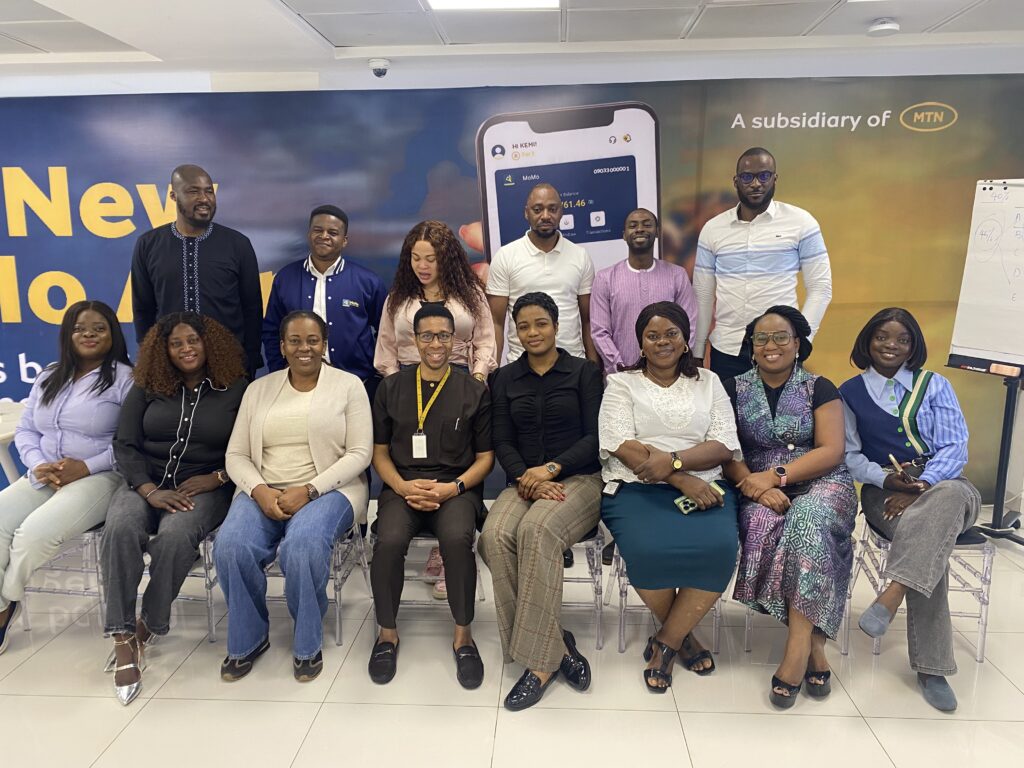
One of my key success stories has been the development of structured life skills
programs and contextualized learning content for children, youth, and early-career learners within African contexts with storybooks, board games and digital learning resources across four areas: creativity and innovation; leadership and effectiveness; financial literacy; and communication skills. We have successfully deployed these resources and tools with scores of schools across the country and thousands of families and children. We have even had great success with financial institutions like FCMB, Stanbic IBTC, Zenith Bank and Access Bank deploying these tools to support their community engagement initiatives. We have participated in the Global Money Week, supported the Central Bank of Nigeria on some of its projects with financial literacy, implemented the School Debate League and launched our microlearning platform www.lifeskillsafrica.com I also served for a few years on the National Financial Literacy Technical Committee of the Securities & Exchange Commission, where we did a lot of work that focused on financial literacy for children and youth.

However, much more needs to be done. Life skills education must be institutionalised within national education systems rather than treated as an optional add-on. Stronger collaboration between educators, policymakers, and industry is essential to ensure relevance, scalability, and alignment with future-of-work competencies. Investing in life skills education is ultimately a strategic investment in long-term institutional and economic transformation.
As a Nigerian in the diaspora, what structural differences do you observe between organisational cultures abroad and those in Nigeria, particularly in leadership accountability and performance management?
One of the most striking differences lies in the institutionalisation of accountability systems. In many organisations abroad, leadership accountability is embedded in structured processes such as KPIs, dashboards, and continuous feedback systems. Accountability is less personality-driven and more system-driven.
In contrast, many Nigerian institutions still operate within personality-centric leadership cultures, where performance management may be informal or inconsistently enforced. This creates a gap between strategy and execution. However, Nigerian institutions also possess strengths such as resilience and adaptability. The opportunity lies in blending these strengths with structured accountability systems to create globally competitive institutions.
In your experience through talent and human capital development, what are the most critical human capital gaps facing Nigerian institutions today, and how can they be systematically addressed?
The most critical human capital gaps revolve around leadership capability, strategic thinking, and performance accountability. Many organisations have talented individuals, but there is often a disconnect between individual competence and institutional effectiveness. Too many square pegs in round holes, and the quality of critical thinking is greatly diminished.
Addressing this requires integrated talent ecosystems – competency frameworks, leadership pipelines, continuous learning systems, and structured feedback mechanisms such as 360-degree reviews. Most importantly, human capital development must be aligned with organisational strategy rather than treated as a standalone activity.
Considering your work at the intersection of leadership development and transformation, what distinguishes effective transformational leadership from traditional management in today’s volatile environment?
Traditional management focuses on stability and operational efficiency, whereas transformational leadership focuses on direction, adaptability, and institutional renewal. Transformational leaders create clarity in uncertainty, build systems that outlast personalities, and foster innovation and psychological safety.
Rather than merely optimising existing systems, they redesign systems to align culture, structure, and strategy in a volatile and complex environment. But I believe that we need both – managers that lead effectively and leaders that manage effectively.
8. Many institutions struggle with reform fatigue. What are the core ingredients required to successfully implement and sustain organisational transformation?
Successful transformation requires leadership alignment, clear strategy, robust governance structures, stakeholder buy-in, and disciplined execution. Reform fatigue often arises when transformation is treated as disconnected initiatives rather than a coherent institutional journey. Sustainable transformation must be phased, well-communicated, and supported by accountability mechanisms, quick wins, and continuous stakeholder engagement.
I think the challenge is that organizations are not prepared to commit to time-tested and evidence-based principles and practices when undergoing transformation. They think they can just wing-it but winging it doesn’t work. I write about this each week in a column in Business Day newspaper and a recent article that got a lot of attention was called the “Silent Synergy Killer” which explored the impact of change management practices on the success of mergers and acquisitions in the financial services industry in Nigeria.
Many African institutions struggle with governance and ethics. How important are financial transparency and ethical systems in driving sustainable institutional performance?
Financial transparency and ethical systems are strategic enablers of credibility and long-term performance. Transparency strengthens accountability, improves resource allocation, and builds stakeholder trust. Ethical systems shape organizational culture and reduce opportunistic practices, ultimately enhancing institutional resilience, investor confidence, and global competitiveness.
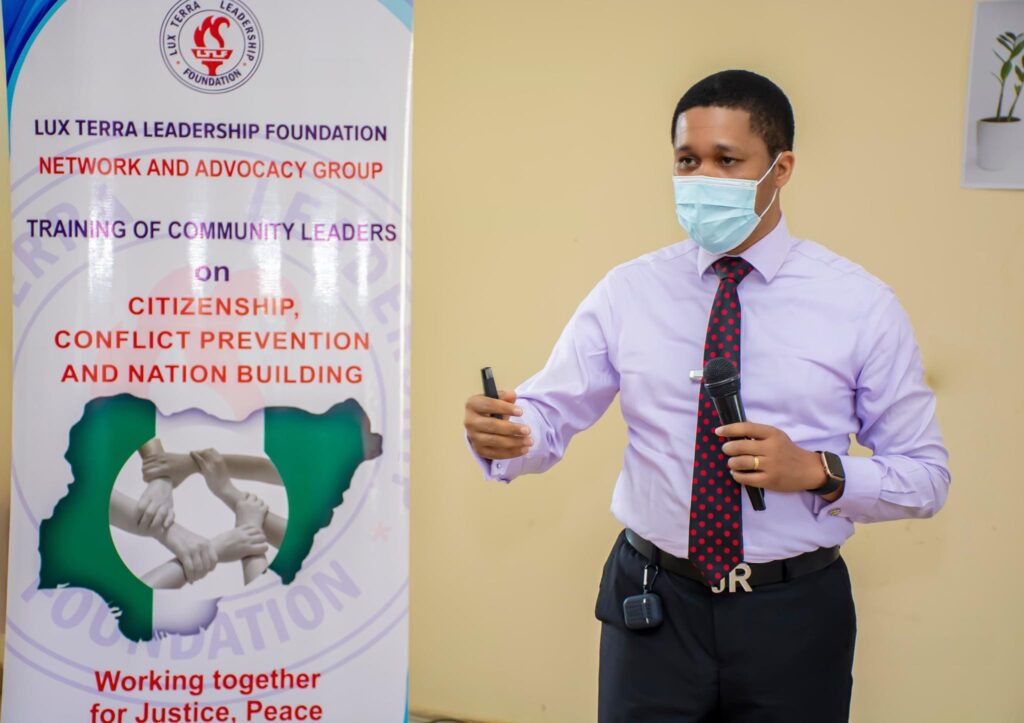
The ethical challenge is huge in Nigeria and is a major deterrent to our transformation. For a country with an entire population that profess belief and worship in the one true God, our ethical fabric is far from Godly. I think this topic requires an entire interview to unpack. I have worked with several development agencies in this area to even address the issue at a fundamental level with the faith groups. I have participated in projects put together by Lux Terra Foundation and Islamic Education Trust supported by the MacArthur Foundation and done significant work with anti-corruption programs targeted at Christian and Muslim leaders. Unfortunately, the quality of preaching from some of our pulpits these days that focus on “prosperity, sowing and reaping” does not help, but like I said – plenty to unpack on that subject.
10. Beyond remittances and other diaspora initiatives, how can African professionals in the diaspora more strategically contribute to institutional capacity building back home?
African professionals in the diaspora can contribute through knowledge transfer, mentorship, institutional partnerships, and systems development. Their global exposure and contextual understanding position them uniquely to bridge international best practices with local realities. Institutional contributions such as leadership development frameworks, digital learning platforms, and policy advisory create more sustainable impact than episodic engagements.
With digital disruption and AI reshaping industries globally, what should African education and training systems prioritise to remain globally competitive?
African education and training systems must prioritise digital literacy, critical thinking, adaptability, and lifelong learning. Curricula should be aligned with industry realities and future-of-work demands. Integrating technology-enabled learning, competency-based education, and entrepreneurial thinking will be critical in preparing a globally competitive and future-ready workforce.
People need to stop being afraid of AI and try to embrace it. It is the new intelligence, so HR leaders must recognize its importance, start assessing people for AI capabilities and so on. Employees should learn how to use AI. Will AI replace jobs- YES, but only people and jobs that are themselves robotic. So if you have critical thinking skills and add value in a non-robotic way, AI can’t replace you. AI is a robot and it will replace people who think and act robotically.
More importantly, we must think not just about the coding, power and infrastructure needs of successful AI deployment, we need to think about the people and governance side – what we call the non-technical AI stack that is even more important. Because it is one thing to code and to deploy, but it is another to ensure that the people, systems and processes in the organizations can support AI – this is another important research area for my colleagues and I at Efiko Management Consulting, and an area we are currently exploring with some of our forward-thinking customers.
From a personal leadership philosophy, what guiding principles have defined your leadership journey, and what advice would you offer young African and Nigerian professionals aspiring to similar impact?
My leadership philosophy has been guided by systems thinking, continuous learning, and purpose-driven impact. I believe sustainable leadership is about building institutions, developing people, and creating systems that deliver lasting value.

My advice to young African and Nigerian professionals is to build depth before visibility. Invest in competence, ethical grounding, and global exposure while remaining rooted in local relevance. The world increasingly rewards professionals who can think globally, act strategically, and contribute meaningfully to institutional and societal development.
I also believe that we must pay attention to the broader issues of democracy and good governance – there is a strong business case for good governance that we are yet to unravel in Nigeria. We have been blessed with democratic systems that people laid down their lives for that are still not working optimally, and rather than just pursue individual or business success, we should pay attention to building a stronger political system by participating actively in democratic processes, educating the people around us to do the same, and holding our political rulers accountable which may unfortunately sometimes mean us losing some business or opportunities for the greater good.
_______________________
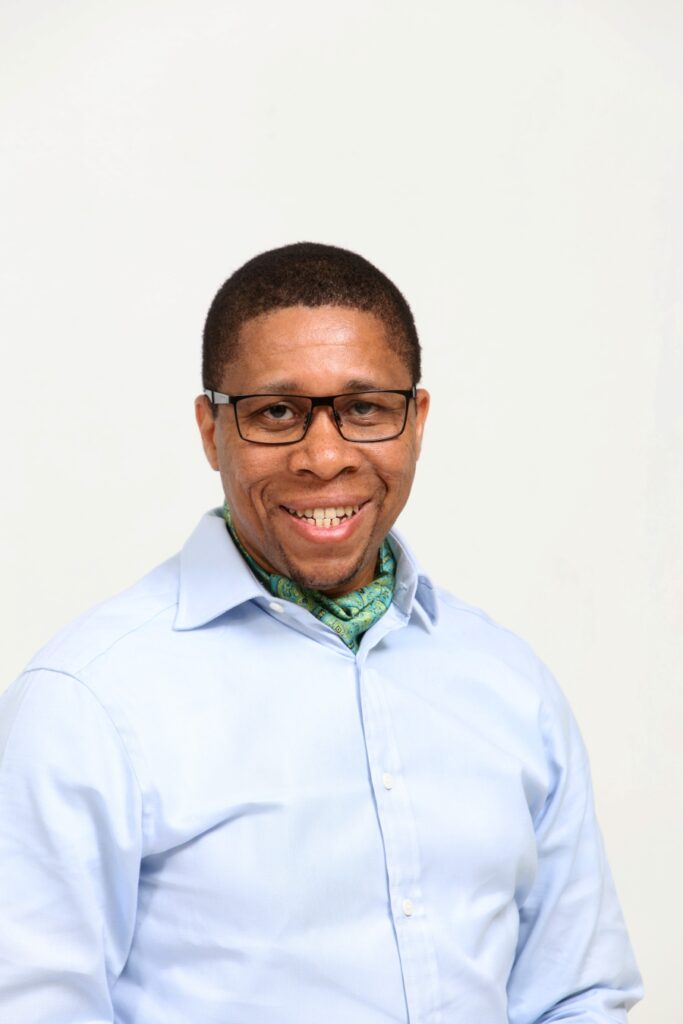
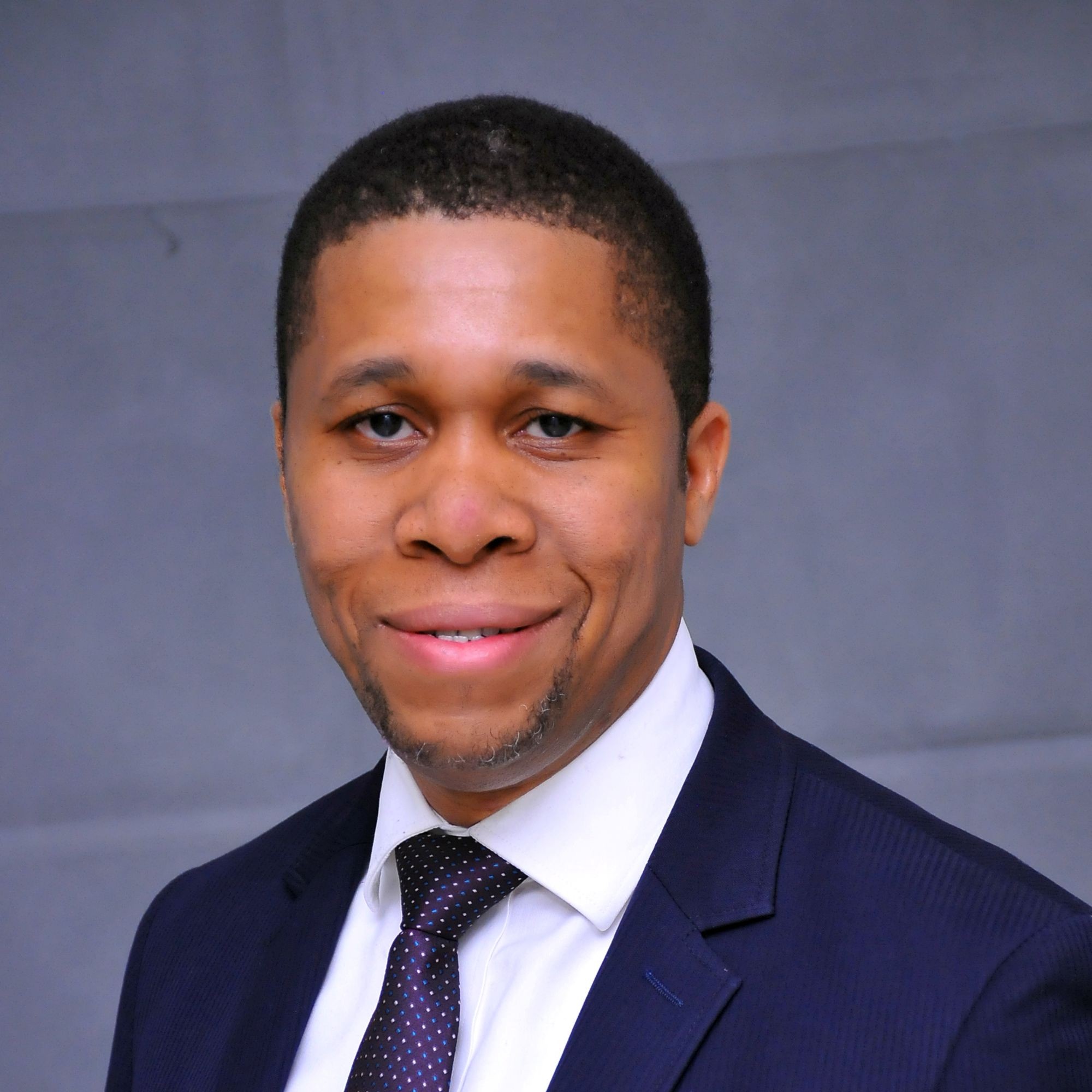
Omagbitse Augustine Barrow
Phone: +1 970-295-3478 | Email: gbitse@gmail.com
WhatsApp: +234 818 195 6161 LinkedIn: www.linkedin.com/in/omagbitsebarrow
PROFILE:
Omagbitse (Gbitse) Barrow is a multidisciplinary management consulting leader and entrepreneur whose career spans investment banking, pensions, human resources, corporate training, consulting, technology, education, and community development. Over the last two decades, he has shaped institutions, empowered thousands of professionals, and pioneered innovative platforms across Africa and the Caribbean. His work integrates strategic leadership, financial acumen, and social impact—anchored in a deep commitment to people development, innovation, and community-building.
SKILLS:
● Strategy Consulting
● Entrepreneurial Development & Management
● HR & Learning Technology
● Organizational Development & HR
● Life Skills Education
● Instructional Design & Facilitation
● Pension Fund Management
● Investment Banking & Corporate Finance
● Business & Professional Writing
● Public Speaking & Presentation Skills
● eLearning Design and Development
● Deliberate Practice
● Media & Content Development
● Educational Management & Leadership
EDUCATION / PROFESSIONAL DEVELOPMENT ACTIVITIES:
● University of Lagos, Nigeria, BSc Accounting (4.21/5.00 GPA), 1999
● Institute of Chartered Accountants of Nigeria, (1st Prize, Akintola Williams Prize), 2000
● University of the West Indies MSc. Management (4.03/4.30), 2023
● International Development, Ireland, “Bank Strategy Masterclass”, 2003
● Prosci Institute, USA, ADKAR Certification Program, 2007
● Association for Talent Development, Designing Learning Certificate, 2009
● John Maxwell Company, Leadership Development and Coaching Certificate, 2010
● Standard Bank, South Africa, Senior Management Program, 2010
● Corporate Leadership Board, USA, Strategic HRM Masterclass, 2010
● Association for Talent Development, USA, Workplace Coaching Certificate, 2010
● Association for Talent Development, USA, Mobile Learning Certificate, 2014
● Palladium, USA, Balanced Score Card Certification Program, 2016
● Cambridge University, Executive Education, Business Analytics, 2020
WORK EXPERIENCE |
● Adjunct Lecturer, Arthur Lok Jack Global School of Business, University of Trinidad & Tobago (2004-date)
Lecturer and Assessor for the Talent Management and Organization Behaviour courses for the Master’s in Human Resources Management Program at the leading business school in the Caribbean region targeted at senior HRM professionals and leaders.
List Key Achievements
o Pioneered the development and use of indigenous case studies for instruction at the MHRM program.
● Co-Founder & Director, Creative Learning International School (CLIS)
Co-Founded CLIS and currently serves as Strategy Director responsible for Marketing, Corporate Communication and Strategic Projects. Member of the Board, and the Executive Management Team. CLIS is an inclusive elementary school that incorporates the Thoughtful House Autism program for children on the autism spectrum.
o Secured USD 75,000 funding for school expansion in 2012
o Secured USD 200,000 funding and strategic partnership for school land acquisition in 2018
o Implemented aggressive marketing campaign from 2015-2018 to grow school enrolment by over 400%
o Implemented Abuja Autism Walk to build awareness and advocacy for persons on the Autism Spectrum
o Produced Chubu & Chibi animated series for autism advocacy and education.
● Chief Executive, Learning Impact Model, Nigeria (2010-Date]
Leads the team of organizational and personal effectiveness consultants that provide training, strategy consulting, coaching and technology solutions to scores of leading organizations across different sectors and industries in Nigeria (www.impactgallery.blogspot.com) (www.bebettergallery.blogspot.com)
List Key Achievements
o Providing program monitoring and evaluation for the Power Forward Program (Youth Life Skills Program) that led to successful funding by NBA and Exxon Mobil from 2014-2024
o Developing and implementing a transformational strategy for Sigma Pensions, moving it from the 7th to the 2nd largest pension fund administrator in Nigeria (2014-16)
o Developing and implementing a transformational strategy for the Corporate Affairs Commission that led to Nigeria climbing from 124th to 72nd position in the Global Ease of Doing Business Index. (2015-17)
o Developing and implementing a market-winning strategy for FCMB Pensions, to achieve a record-breaking growth to N1trillion in assets under management (2021-24)
o Implementing high-impact life skills educational programs targeted at young boys in underserved and high-risk urban communities in Trinidad & Tobago that attracted significant funding (over USD250,000)
o Developing and deploying strategic human resources management systems and tools to support the Nigerian Center for Disease Control and EkoVolt Nigeria with donor funding from The Blair Foundation and the United States Trade and Development Agency.
o Lead Consultant to the Pension Industry Operators Forum, providing organizational learning solutions to all its members consisting of the licensed pension fund administrators and custodians in Nigeria (2012-date)
o Facilitating community-based initiatives with Lux Terra Leadership Foundation with funding from MacArthur Foundation, Ford Foundation and Spotlight to improve inter-faith dialogue, promote civic engagement and conflict resolution, fight corruption and mitigate gender-based violence in Nigeria (2019-22)
o Developing and deploying organizational technology solutions with tens of thousands of subscribers and users that support knowledge management, eLearning, organizational learning, life skills education, performance management, amongst others.
o Winner of the inaugural YOUWIN entrepreneurial business plan competition for a USD60,000 grant to scale-up our business at Learning Impact.
o Created the Champions of Human Resources Mentoring Program and currently mentors about 400 early to mid-career HRM professionals and managers to build strategic HRM capabilities (https://tinyurl.com/ChampsofHRfromLIM)
o Developed innovative platforms and solution including:
S/N Innovation Description Link Status
1. EPaper Vendor The leading provider of the complete digital version of Nigeria’s leading newspapers to individuals, organizations, hotels and tertiary institutions/ libraries. Has over 10,000 subscribers since 2018.
www.epapervendor.com
Registered Trademark
2. Online Efiko Micro-learning online courses in Business & Professional Skills used by individuals and organizations with over 10,000 subscribers since 2023.
www.onlineefiko.com
Registered Trademark
3. Life Skills Africa Digital learning resources to support life skills education for children, youth, families and schools with over 5,000 subscribers since 2024.
www.lifeskillsafrica.com
Registered Trademark
4. 360 Feedback Solutions
Offering individuals and organizations automated 360-degree feedback www.360feedback.com.ng
N/A
5. S-Tracker
App that helps organizations to manage the strategy execution process with discipline and accountability.
https://stracker.efikohr.com/
N/A
6. P-Rater
Performance management software that manages the performance management process from end-to-end for organizations.
https://prater.efikohr.com/
N/A
7. LD Planner
App that helps organizations and learning and development professionals with automating the manually intensive training needs analysis process. https://ldplanner.efikohr.com/
N/A
o Published Books and Educational Resources, including:
o My Fun Finance Story Book
o Sparks – Stories to spark Creativity
o My Social Stories Book for Persons on the Autism Spectrum
o My Big Book of Leadership Stories
o Be Better Board Game
o Fun Finance Board Game
● Ag Chief Executive, Veritas Glanville Pensions, Nigeria (2017-18)
List the role and responsibilities
Following the acquisition of FUG Pensions by the Veritas Capital Group, I was appointed an acting/interim Chief Executive to shepherd the transition to the new ownership and management. I was responsible for overseeing the day-to-day management of the pension fund administrator, leading the executive management team and reporting to the Company’s Board.
List Key Achievements
o Realigning organizational structure and performance management system
o Resolving outstanding uncleared effects in Transitional Contribution Fund with the pension custodians of over N50bn
o Implementing a Campus Proposition that attracted over 30,000 youth to the Company’s informal
o Implemented the balanced score card for strategy and performance
o Recruited a substantive Chief Executive, Executive Director and constituted a proper Management Committee (MANCO)
● [Head – HR Business Partners & Deputy Country Head HR, Stanbic IBTC Group/Nigeria (2007-2010)
List the role and responsibilities
Managed the team of human resources business partners across the four strategic business units of the Stanbic IBTC Group responsible for the design, development and implementation of HR products and solutions across all areas of the employee life cycle. Served on the Country Executive Committee (Nigeria) and the Global HR EXCO for Standard Bank
List Achievements
o Creation of the Stanbic IBTC Wealth Academy that managed internal training programs for Stanbic IBTC’s Wealth Management subsidiaries that sustained Stanbic IBTC’s market leadership in the pensions, stockbroking and asset management industries in Nigeria.
o Implemented the Balanced Score Card and the HR Business Partner model that transformed people management practices that positioned Stanbic IBTC as an employer of choice in Nigeria.
o Implemented performance management clinics to improve performance management systems including the development of an organization-wide KPI library to enhance the quality of performance metrics and measurement.
● Regional Manager – North, IBTC, and later IBTC Pension Managers/Nigeria (2003-2007)
Led the business development, customer service and banking operations team that was responsible for IBTC’s private banking, asset management, pensions, trade and treasury products in the northern part of Nigeria. I was also responsible for managing regulatory relationships with The Central Bank of Nigeria, Securities & Exchange Commission, and the National Pension Commission.
List Achievements
o Pioneered the development and use of financial planning seminars as a tool for client engagement that propelled the IBTC Nigerian Equity Fund to become the No1 Mutual Fund in Nigeria by size and returns.
o Managed the Direct Sales Agency network with an innovative compensation and capacity building framework that positioned IBTC as the largest and leading pension fund administrator in Nigeria.
o Created and acted as Editor-In-Chief for IBTC Pension Notes, the pension industry’s most widely read newsletter, with a monthly circulation to over 1million of the 5 million registered contributors in the Nigerian Pension scheme.
o Pioneered and edited IBTC’s financial literacy thought leadership series in ThisDay Newspaper, which positioned IBTC as the household name in personal investing in Nigeria and positioned it as a market leader in the domestic investments market in Nigeria.
o Authored “Pension Fund Administration in Nigeria” with a Foreword by MK Ahmad, pioneer Director General of the National Pension Commission
MEMBERSHIP & PROJECTS |
● Institute of Chartered Accountants of Nigeria (ICAN) – Fellow: 2000 – Date. Implemented Continuous Professional Development Courses in balanced Score Card for ICAN members (2019-2020)
● Nigerian Institute of Training & Development (NITAD) – Fellow: 2020-Date. Served as Chairman, Ethics and Professional Standards Committee (2019-2022) and Conference Speaker
● Chartered Institute of Personnel Management of Nigeria – Member 2021-Date
● Association For Talent Development – Member, 2008 to date
● Academy of Management – Member, 2022-date
● Member, National Financial Literacy Technical Committee of the Securities & Exchange Commission
● Member, Human Resources Management Association of Trinidad & Tobago, 2022-Date. Member of Editorial Committee, Contributory Writer, HRMATT Thought Leadership Series
● Member of Faculty, Lux Terra Leadership Foundation
● Member of Faculty, Nigeria Deposit Insurance Corporation Academy
● Member of Faculty, Federal Inland Revenue Service Training Academy
PUBLISHED SCHOLARLY/BUSINESS ARTICLES |
o Barrow, Gbitse. 2011. “Bolster Your Employee Performance Management Process with Performance Contracting Clinics.” Balanced Scorecard Report 13, no. 3 (May–June). Boston: Harvard Business School Publishing Corporation and Palladium Group, Inc.
o Barrow, Omagbitse. 2010. “A Model for Self-Motivated Innovation and Learning: CLICK.” T+D (Training and Development), September: 66–69. Alexandria, VA: American Society for Training and Development.
o Ojo, Kolawole, and Barrow, Omagbitse. Forthcoming (2025). “The Nexus Between Supervisor Knowledge Hiding and Subordinate Innovative Work Behaviour: A Dual Mediation Model.” Chinese Journal of Human Resources Management.
AWARDS |
● Model of Integrity – Lux Tera Leadership Foundation – 2021 – https://www.youtube.com/watch?v=2kF9sARBpZU
● Youth With Innovation In Nigeria (YouWIN) – 2013 – https://www.scribd.com/doc/88389786/YouWIN-Winners
● Akintola William s Prize, Institute of Chartered Accountants of Nigeria, 2000 – https://icanig.org/ican/
MEDIA ARTICLES ABOUT YOUR WORK & ACHIEVEMENTS |
I have been a regular columnist/ contributing writer for Nigeria’s leading daily newspapers (Business Day, ThisDay and Guardian) and published several articles in collaboration with the Human Resources Management Association of Trinidad & Tobago (HRMATT) in the Guardian in Trinidad & Tobago. The collection of articles and notable media mentions is available here: https://tinyurl.com/OBarrowPublications
CONFERENCES ATTENDED AS SPEAKER/MENTOR/FACILITATOR |
Year Conference Topic Contact
2007 Africa Business Club, Harvard Business School Cambridge, MA, USA
“Professional Services in Africa”
Professor Dan Isenberg
2010 American Society for Training & Development (ASTD) International Conference, Chicago, IL, USA.
“Sustaining the Impact of Training” Ms Linda David
2019 Nigerian Institute of Training & Development (NITAD), Abuja, Nigeria
Making Learning Accessible and Impactful
Mr Kayode Adejumo
2020 Earning & Development Network International (LDNI), Lagos, Nigeria Design and Delivery of Impactful Virtual Training Programs
Mr David Abu
2022 Caribbean Society of Human Resources Professionals, Bridgetown, Barbados
Adjusting Work and Life Priorities in a Hybrid World
Kimberley Largie
2023 Human Resources Management Association of Trinidad & Tobago
Measure & Improve Leadership Capabilities with 360-degree Reviews.
Ms. Lara Quentrall-Thomas
2025 World Conference on Management and Economics, Helsinki, Finland The Nexus Between Supervisor Knowledge Hiding and Subordinate Innovative Work Behaviour: A Dual Mediation Model.
Dr Jason Caudill











 EduTimes Africa, a product of Education Times Africa, is a magazine publication that aims to lend its support to close the yawning gap in Africa's educational development.