









































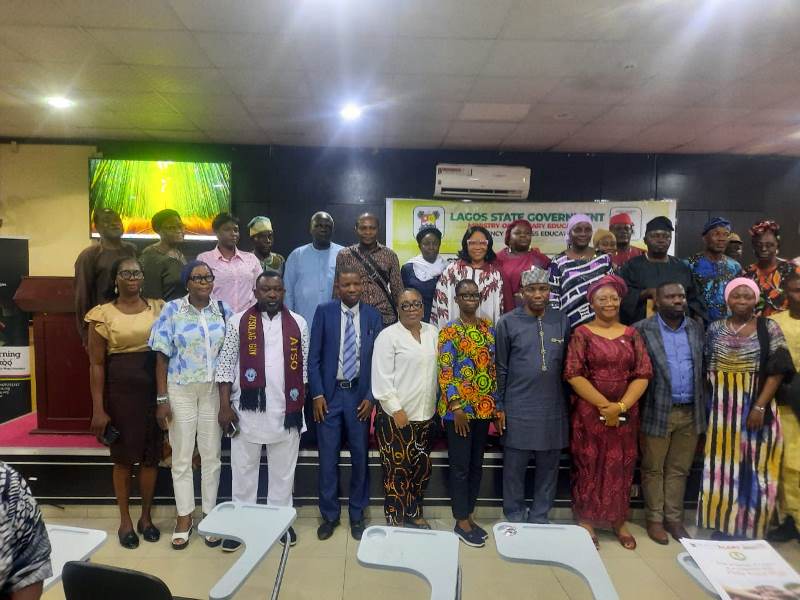


The Lagos State Government has reiterated its commitment to expanding access to education beyond the traditional classroom system, describing Continuing Education Centres (CECs) and other alternative learning platforms as essential tools for bridging skills gaps, boosting employability, and promoting lifelong learning.



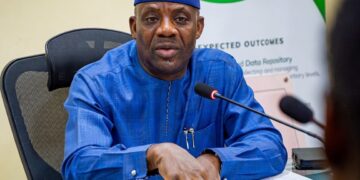
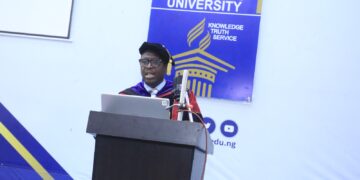
Speaking during the 2026 Stakeholders’ Engagement Meeting on Continuing Education held at the Debt Management Office in Alausa, Ikeja, the Commissioner for Tertiary Education, Tolani Sule, represented by Permanent Secretary Adeniran Kasali, said continuing education plays a major role in promoting inclusion and social mobility across the state.

Sule noted that alternative learning systems, including CECs and tutorial centres, have continued to create opportunities for individuals who were unable to follow the conventional academic path to still attain educational and professional success.
According to him, several accomplished professionals and academics, including professors, emerged through non-traditional educational routes, stressing the need to strengthen flexible learning opportunities for residents.

He cited the Registrar of the Joint Admissions and Matriculation Board (JAMB), Ishaq Oloyede, as an example of how alternative education pathways can transform lives.

“Professor Oloyede told us he never attended secondary school formally. Through tutorial centres, he obtained his GCE, secured university admission, and eventually became a professor,” Sule said.
The commissioner described continuing education as a system built around access, opportunity, and future readiness, especially for young people adapting to changing educational and technological realities.
He added that the effectiveness of the programme depends on strong quality assurance measures, including supervision, evaluation, and monitoring of teaching standards.
Sule also commended the administration of Babajide Sanwo-Olu for sustaining investments in education, innovation, digital transformation, and artificial intelligence readiness across tertiary institutions in Lagos State.
Also speaking at the event, the Director of the Agency for Mass Education, Mrs. Oluwakemi Kalsanwo, described the stakeholders’ engagement as a strategic platform aimed at strengthening collaboration, identifying operational challenges, and improving the reach and effectiveness of continuing education centres across the state.
Kalsanwo explained that although CECs and tutorial centres are privately owned, the government maintains regulatory oversight through approvals and compliance monitoring to ensure standards are upheld.
She expressed confidence that future engagements would focus more on measurable achievements in expanding educational access and improving service delivery.
According to her, continuing education remains critical in addressing the needs of out-of-school children, youths who could not complete secondary education, and adults seeking better qualifications.
“In Lagos State, we do not want to leave anybody behind,” she stated.













 EduTimes Africa, a product of Education Times Africa, is a magazine publication that aims to lend its support to close the yawning gap in Africa's educational development.