























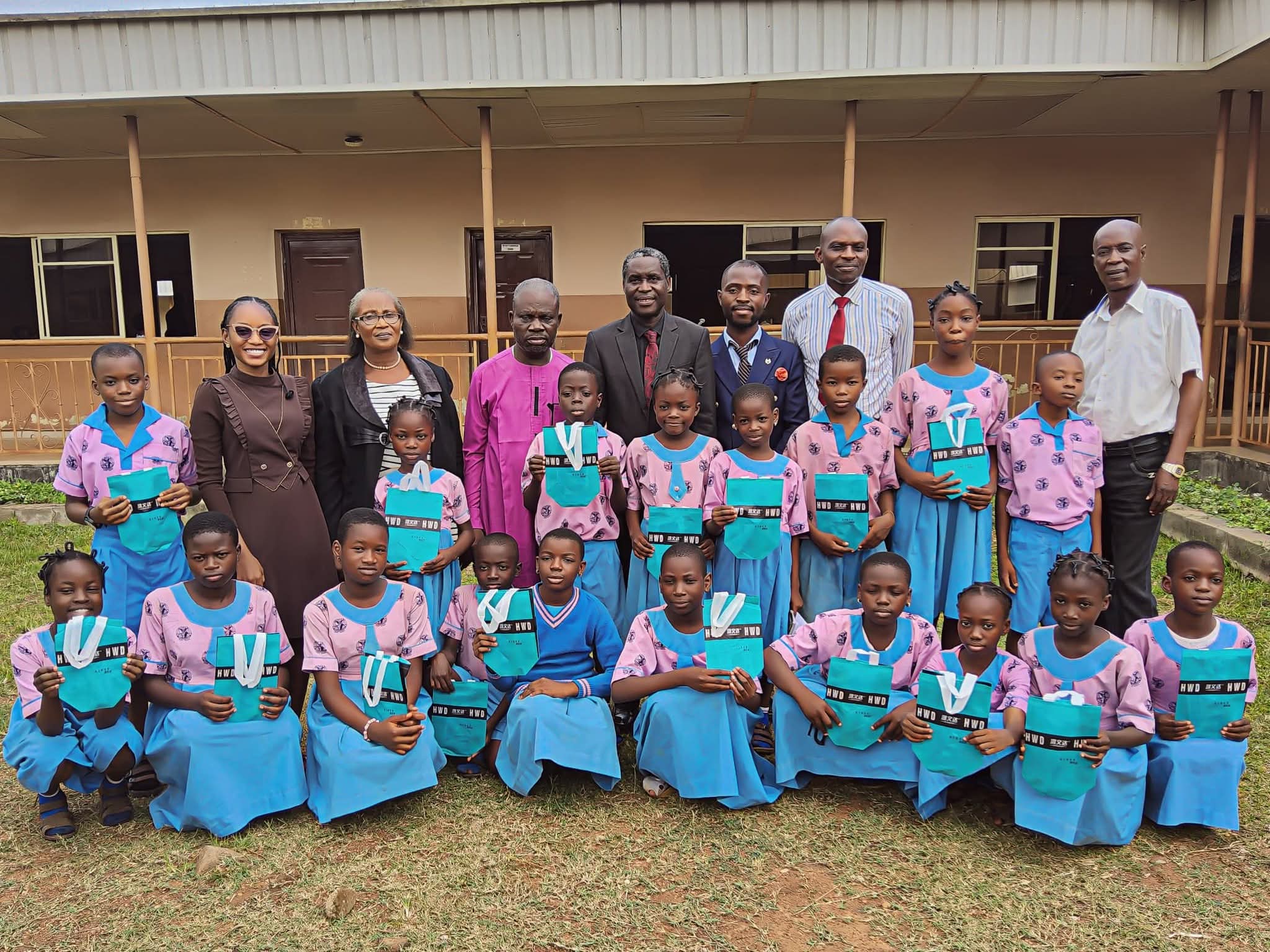


Pupils and staff of FUTA Staff Primary School recently participated in a health enlightenment programme aimed at promoting improved hygiene practices and preventing communicable diseases. The session focused on the key pathways of disease transmission, alongside practical training on dental hygiene, with the overall goal of strengthening awareness of proper personal and environmental sanitation among school children.
The presentation on disease transmission was delivered by Mr. Samuel James, an Environmental Health Officer at the Public Health Unit of the Federal University of Technology Akure. He educated pupils on how infectious diseases spread through poor hygiene and environmental sanitation practices, particularly via the fecal-oral route, where pathogens from human faeces are transmitted into the mouth through contaminated food, water, hands, and surroundings.
He explained that the “Five Fs”—Fingers, Flies, Fluids, Food, and Fields—represent the major pathways of disease transmission. According to him, unwashed fingers and poor hand hygiene remain major carriers of germs, especially when individuals fail to wash their hands properly after using the toilet or before eating. He therefore encouraged consistent handwashing with soap and clean running water. The presentation further addressed the dangers of contaminated fluids, especially unsafe drinking water, and pupils were advised to consume treated or boiled water while avoiding unsafe water sources.


On food hygiene, Mr. James warned against eating unwashed fruits, improperly cooked meals, and poorly stored food, emphasising the need to thoroughly wash fruits and vegetables and ensure proper cooking before consumption. He also noted that flies easily transfer germs from contaminated environments to uncovered food, increasing the risk of infection. Pupils were therefore advised to always keep food covered, maintain clean surroundings, dispose of waste properly, and avoid exposure to dirty environments where germs thrive.
He also highlighted common diseases associated with the fecal-oral route, including cholera, typhoid fever, hepatitis A, and amoebiasis. Symptoms of these diseases, he explained, include diarrhea, fever, abdominal pain, weakness, and loss of appetite. Mr. James stressed that the cycle of disease transmission can be broken through proper handwashing, safe drinking water, environmental sanitation, proper waste disposal, and good food hygiene practices. As part of the intervention, he donated handwashing facilities and detergents to the school to encourage regular hygiene practices among pupils and staff.

In her own presentation, dental practitioner Dr. Adeosun Rebecca educated the pupils on dental hygiene. She explained that a healthy smile goes beyond appearance, as it boosts confidence, prevents pain, reduces medical costs, and contributes to overall health. She also demonstrated proper brushing techniques and emphasised consistent oral care for maintaining strong dental health.
Earlier in his remarks, the Deputy Vice-Chancellor (Academic), Professor Timothy Amos, commended the organisers and resource persons for the impactful enlightenment programme. He described the initiative as timely, noting that instilling hygiene habits in children is essential for building a healthier society. He also appreciated the donation of hygiene materials, stating that it would significantly improve sanitation practices within the school environment.

The representative of the Headmaster, Mr. Michael Fayeun, speaking through Mr. Adedji, expressed gratitude to the organisers for bringing such an enlightening programme to the school, noting that it would strengthen hygiene awareness among pupils and positively influence their health and academic performance.
Similarly, Pharmacist Oladimeji Samson, speaking on behalf of the Director of the Health Centre, Dr. Emmanuel Onyema, commended the initiative. He emphasised the importance of preventive healthcare through hygiene education and urged consistent practice of handwashing, oral hygiene, and environmental sanitation.
The programme concluded with a hygiene pledge by the pupils, where they committed to maintaining cleanliness, practising regular handwashing, and protecting themselves and others from germs.












 EduTimes Africa, a product of Education Times Africa, is a magazine publication that aims to lend its support to close the yawning gap in Africa's educational development.