























Every year on May 25, Africans across the continent and in the diaspora celebrate Africa Day — a day that marks the founding of the Organization of African Unity in 1963, now known as the African Union.



Africa Day is more than a celebration; it is a reminder of Africa’s resilience, diversity, brilliance, culture, innovation, and contribution to global civilization. From ancient kingdoms to modern technological breakthroughs, Africa continues to shape the world in remarkable ways.

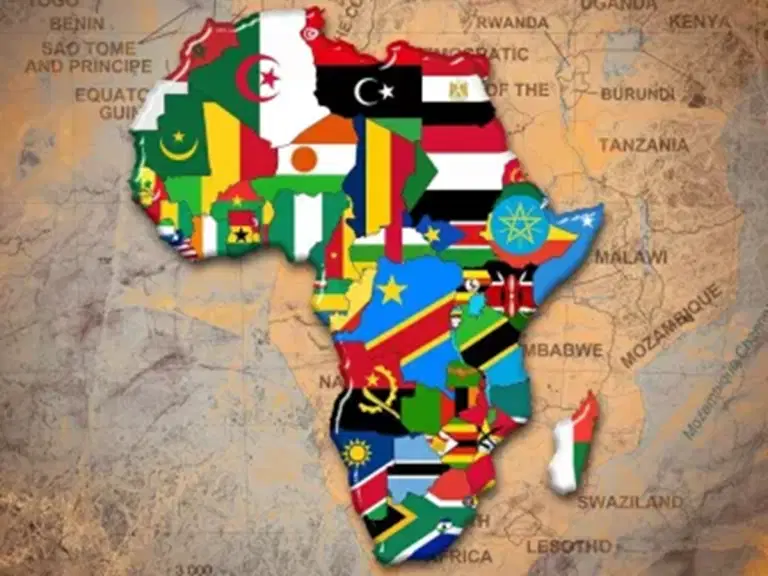
Here are 15 detailed and fascinating facts about Africa in commemoration of Africa Day.
1. Africa is the Second Largest Continent on Earth

Africa covers about 30.3 million square kilometers, making it the second-largest continent after Asia. It occupies around 20% of the Earth’s land area and stretches across both the Northern and Southern Hemispheres.
The continent is so large that countries like the United States, China, India, and much of Europe could fit inside it combined.
2. Africa Has 54 Recognized Countries
Africa is made up of 54 internationally recognized countries, each with unique cultures, languages, traditions, and histories. Nations such as Nigeria, Kenya, South Africa, and Egypt all contribute to the richness of the continent.
Africa’s diversity is one of its greatest strengths.
3. Africa is the Cradle of Humanity
Scientists widely agree that the earliest human ancestors originated in Africa. Fossils discovered in countries like Ethiopia, Kenya, and South Africa suggest that modern humans evolved on the continent over 200,000 years ago.
Africa is literally where humanity’s story began.
4. Africa Has More Than 2,000 Languages
Africa is the most linguistically diverse continent in the world. Over 2,000 languages are spoken across Africa, including Swahili, Yoruba, Hausa, Zulu, Amharic, Igbo, Arabic, and many more.
In countries like Nigeria alone, there are over 500 indigenous languages.
5. The Nile River is the Longest River in the World
The Nile River stretches approximately 6,650 kilometers through multiple African countries, including Uganda, Sudan, and Egypt.
The Nile played a major role in the rise of ancient Egyptian civilization and still supports millions of people today.
6. Africa is Rich in Natural Resources
Africa possesses enormous natural wealth, including gold, diamonds, oil, cobalt, copper, lithium, and uranium.

Countries such as Democratic Republic of the Congo are major sources of cobalt used in electric vehicle batteries, while Botswana is famous for diamonds.
Despite these resources, many African nations continue pushing for fairer economic systems and local industrial growth.
7. The Sahara is the Largest Hot Desert in the World
The Sahara Desert spans across North Africa and covers about 9.2 million square kilometers.
Though often imagined as endless sand dunes, the Sahara also contains mountains, rocky plateaus, and even oases with thriving communities.
8. Africa Has the Youngest Population in the World
More than 60% of Africa’s population is under the age of 25. This youthful population represents enormous potential for innovation, entrepreneurship, arts, technology, and leadership.
Young Africans are increasingly driving change through startups, music, education, sports, and digital media.
9. Ancient African Civilizations Were Highly Advanced
Africa was home to powerful civilizations long before colonialism. Ancient kingdoms such as the Kingdom of Mali, Kingdom of Kush, and Great Zimbabwe were centers of trade, architecture, scholarship, and governance.

The city of Timbuktu in present-day Mali once housed renowned universities and libraries.
10. Africa is Home to Incredible Wildlife
Africa hosts some of the world’s most famous wildlife species, including lions, elephants, rhinos, giraffes, cheetahs, and gorillas.
Parks like the Serengeti National Park and Kruger National Park attract millions of visitors annually.
Wildlife conservation remains an important mission across the continent.
11. African Music Influences Global Sound
African rhythms have shaped genres such as jazz, blues, reggae, hip-hop, samba, and Afrobeat.
Artists like Fela Kuti, Burna Boy, and Angelique Kidjo have brought African music to global audiences.
Today, Afrobeats is one of the fastest-growing music movements worldwide.
12. Africa Has Some of the Fastest Growing Cities
Cities like Lagos, Nairobi, and Kigali are becoming major hubs for technology, business, finance, and creativity.
Africa’s urban population is growing rapidly, transforming industries and lifestyles.
13. Africa Has Vast Renewable Energy Potential
Africa has enormous solar, wind, and hydroelectric energy resources. Countries across the continent are investing in renewable energy to improve electricity access and reduce dependence on fossil fuels.
The continent’s sunny climate makes it one of the best regions in the world for solar power development.
14. African Literature Continues to Inspire the World
African writers have transformed global literature through storytelling rooted in identity, history, colonialism, and resilience.
Authors like Chinua Achebe, Ngũgĩ wa Thiong’o, and Wole Soyinka continue to inspire generations worldwide.
15. Africa’s Future is One of Innovation and Possibility
From fintech startups in Lagos to innovation hubs in Kigali and artificial intelligence research across the continent, Africa is shaping the future.
The continent is rising through creativity, entrepreneurship, education, and collaboration among its people.
Conclusion
Africa Day is a celebration of identity, unity, freedom, and progress. It reminds the world that Africa is not defined by challenges alone, but by its history, strength, creativity, cultures, people, and limitless possibilities.
As we celebrate Africa today, we also celebrate the dreams of millions of Africans building a brighter future for generations to come.
Happy Africa Day! 🌍











 EduTimes Africa, a product of Education Times Africa, is a magazine publication that aims to lend its support to close the yawning gap in Africa's educational development.