

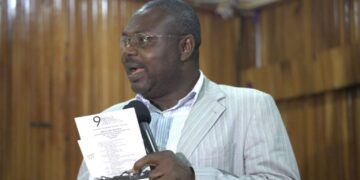
































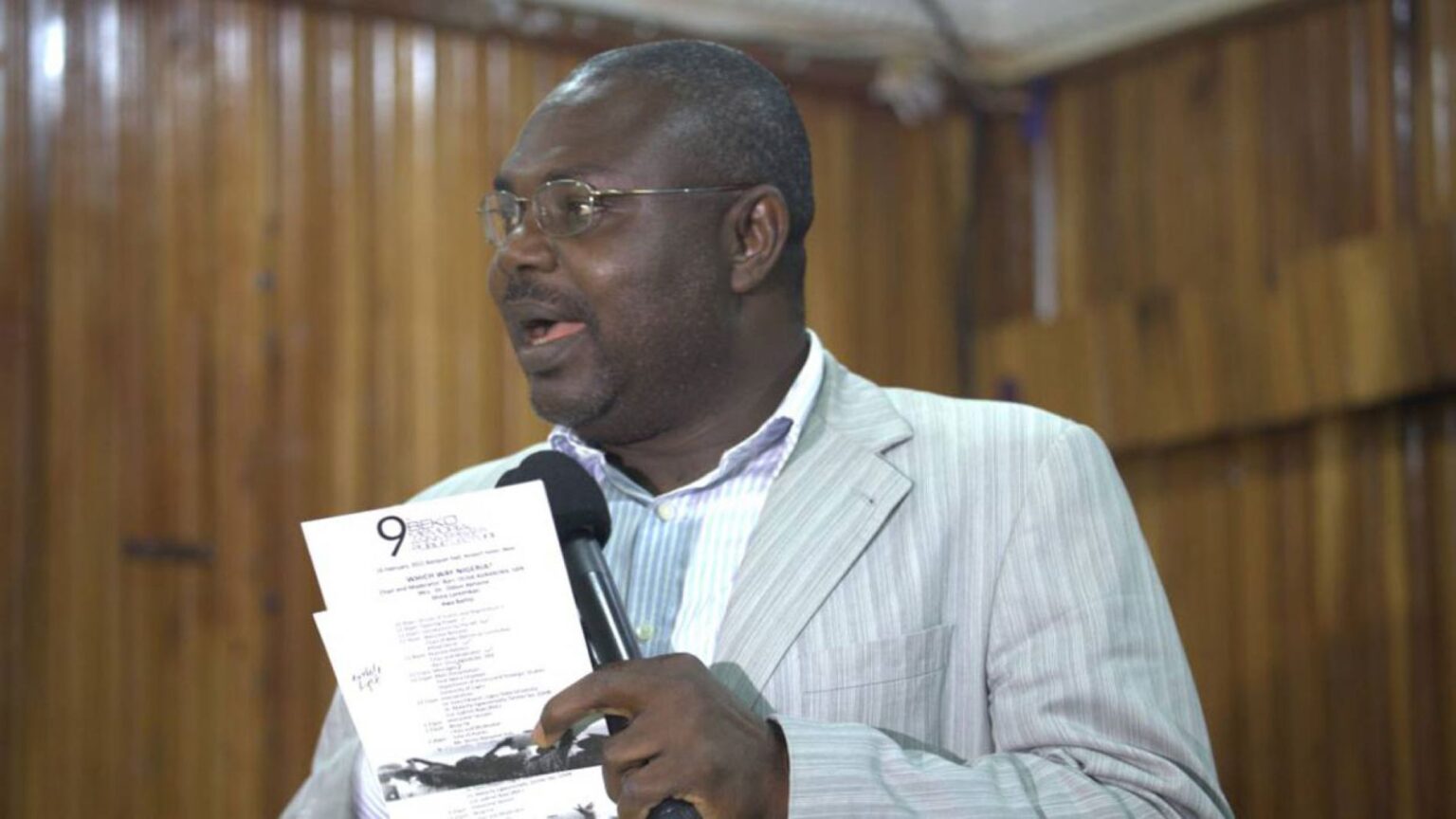


A lecturer at Lagos State University (LASU), Prof. Sylvester Odion Akhaine, has called on African governments to strengthen state intervention in tackling poverty, food insecurity, inadequate housing, unemployment and other social challenges confronting the continent.

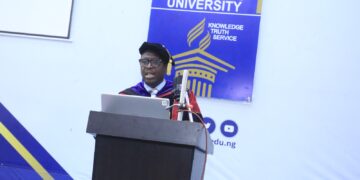
Akhaine made the call on Sunday while delivering a lecture at the public presentation and investiture of Lion Biodun Sowunmi as the 18th president of the Lagos Paddles Lions Club.

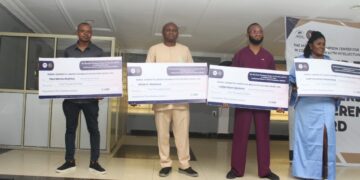
The event also featured the launch of a N150 million fundraising initiative to support legacy projects in health, education and community welfare.
Akhaine argued that the scale of Africa’s social and economic challenges could not be adequately addressed through market forces, private corporations and philanthropic organisations alone.

He said the continent continued to face multiple challenges, including food insecurity, inadequate housing, unemployment and limited access to education and healthcare.
The don cited Nigeria’s housing deficit and the large number of children without adequate access to education as examples of the challenges requiring stronger government intervention.
According to him, the situation requires African governments to reassess their responsibility for providing basic welfare, security and social protection for citizens.
Akhaine criticised what he described as a neoliberal approach to capitalism, which places greater emphasis on market forces while reducing the state’s responsibility for public welfare.
He argued that market forces were ultimately driven by people and institutions and should therefore not be treated as an independent mechanism capable of resolving all societal problems.
The professor cited China’s development experience as an example of how stronger state intervention could be used to mobilise resources and provide basic services, including education, healthcare, housing, water and food.
He also linked Africa’s contemporary development challenges to the historical effects of slavery and colonialism, arguing that their consequences continued to influence economic inequalities across the continent.
Akhaine said these challenges were further compounded by external influences and structural inequalities within the global system.
He called on African governments to retain responsibility for welfare, security and the provision of essential services, while also strengthening institutions and infrastructure.
The don further urged greater transparency and integrity in the mobilisation and management of resources, particularly funds raised through donations and philanthropic initiatives.
Meanwhile, the newly installed president of the Lagos Paddles Lions Club, Lion Biodun Sowunmi, pledged to make service, compassion, integrity and community impact central to his tenure.
Sowunmi urged members of the club to identify problems in their communities and actively contribute to finding solutions.
He said leadership should not be measured by titles or the number of meetings held, but by the lives touched, communities strengthened and hope created through service.
He also called on members to renew their commitment to the Lions International motto, “We Serve”, and use the organisation’s platform to create meaningful social impact.

Earlier, the First Vice President and Chairman of the Investiture Committee, Lion Kunle Adeneye, said Sowunmi’s commitment to community development had given the club confidence that his tenure would expand its humanitarian activities.
Adeneye said the club had set a N150 million fundraising target for legacy projects focused on health, education and community welfare.

He appealed to individuals, corporate organisations, partners and other donors to support the initiative, stressing that collective support would be required to achieve the club’s objectives.
He urged members to contribute towards leaving their communities better than they found them.






 EduTimes Africa, a product of Education Times Africa, is a magazine publication that aims to lend its support to close the yawning gap in Africa's educational development.