




















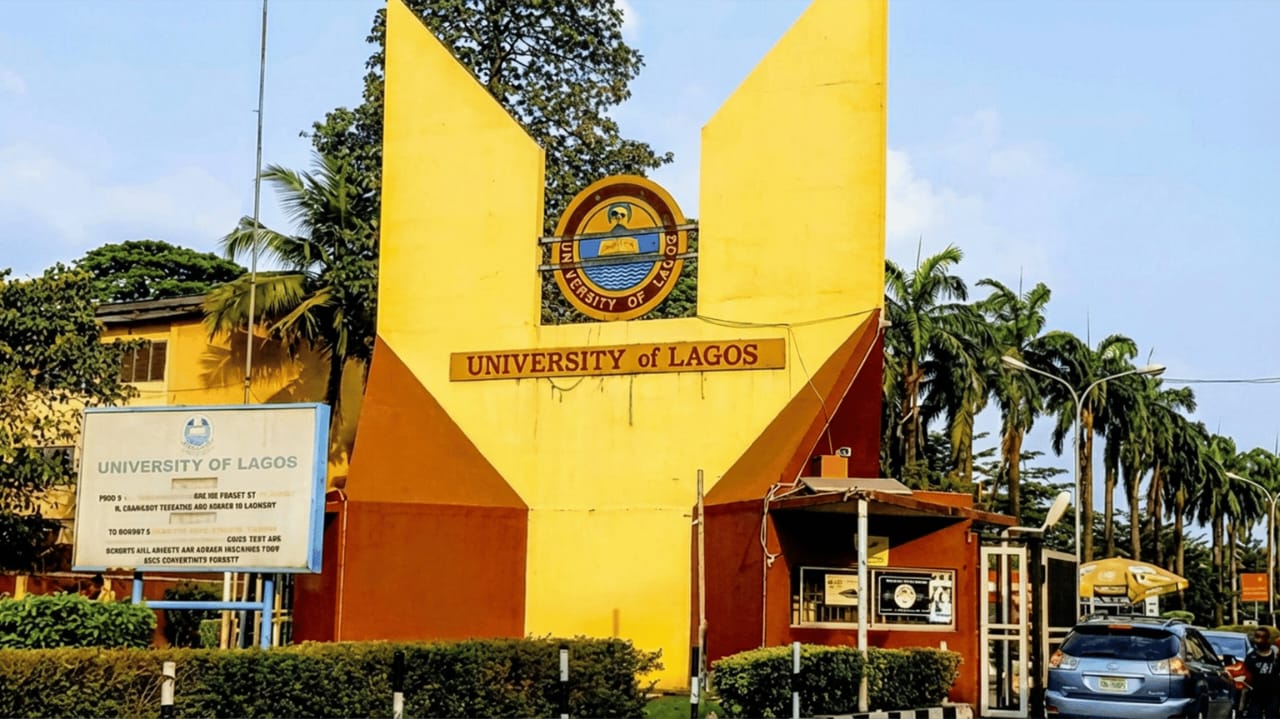


The Deputy Vice-Chancellor (Management Services) of University of Lagos, Muyiwa Falaiye, has emphasised dialogue and diplomacy as essential tools for managing conflicts within academic environments, warning against confrontational approaches to dispute resolution.
Falaiye spoke at the institution’s Master of Diplomacy and Strategic Studies annual lecture series themed “Diplomatic Engagements for Economic Development: Exploring Opportunities and Tackling Challenges.”

He noted that while conflict is inevitable in human interaction, especially in universities where diverse opinions and interests intersect, the real challenge lies in how such disagreements are handled.
“Universities, as centres of diverse opinions and interests, must prioritise dialogue, negotiation, and tolerance to prevent crises and ensure stability,” he said.

The professor of African Socio-Political Philosophy stressed that diplomacy provides a structured framework for resolving disputes peacefully, adding that its relevance extends beyond international relations to institutional and interpersonal engagements.
According to him, global peace has largely been sustained through diplomatic efforts rather than military force, with negotiations often determining outcomes even in situations of intense rivalry.
“Global peace over the decades has largely been sustained not by military might, but by the consistent efforts of diplomats who manage conflicts, balance competing interests, and create room for dialogue even among adversaries,” he added.
Falaiye urged students and aspiring diplomats to embrace constructive engagement, noting that peaceful coexistence depends on the willingness to prioritise negotiation over confrontation.
Also speaking, the Director-General of the Nigerian Institute of International Affairs, Eghosa Osaghae, highlighted the role of diplomacy in driving national development through economic engagement.
He described economic diplomacy as central to Nigeria’s foreign policy, noting that strong economies are critical to global influence and national stability.
“The greatest strength any country can have is its economy,” he said, adding that diplomacy remains a vital tool for achieving national objectives peacefully.
Osaghae also pointed to the evolving nature of diplomacy, noting that individuals, the private sector, and diaspora communities now play increasing roles in advancing national interests.
Meanwhile, the Consul General of the United Arab Emirates, Salim Aljaberi, disclosed plans to invest about ₦4.5 billion across Africa and deepen economic ties with Nigeria.

He announced that direct flights between the UAE and Lagos would soon resume to ease movement for investors and business professionals, adding that visa processes have been simplified for Nigerians.
Aljaberi also revealed plans for partnerships in Nigeria’s real estate sector to boost infrastructure development and expand investment opportunities.
In his remarks, the Dean of the Faculty of Arts at UNILAG, Mudasiru Akanbi Ilupeju, said the lecture series aims to stimulate intellectual engagement and connect academic discourse with evolving global diplomatic trends.
“Our goal is to create an environment where challenging ideas can be debated, and new perspectives can thrive,” he said.
Credit: ThePunch












 EduTimes Africa, a product of Education Times Africa, is a magazine publication that aims to lend its support to close the yawning gap in Africa's educational development.