






















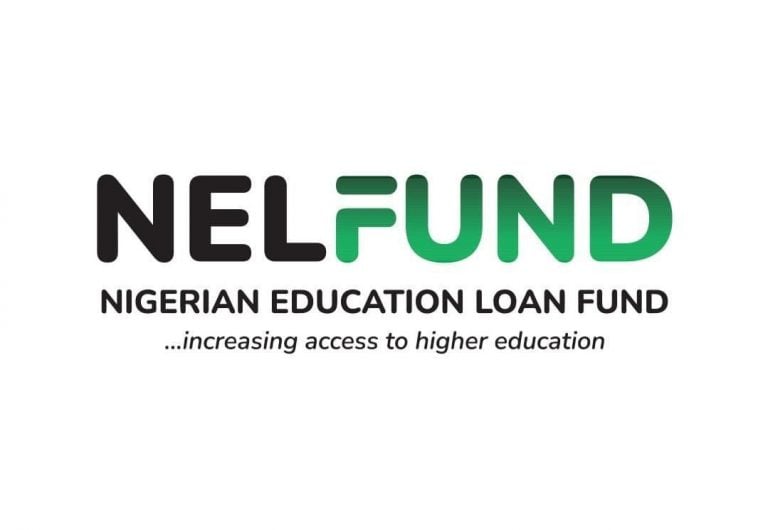


A fresh wave of misinformation surrounding Nigeria’s student loan scheme has sparked concern among education stakeholders, following a viral notice falsely claiming that disbursements had been suspended by the Nigerian Education Loan Fund.
The agency has since issued a firm rebuttal, describing the circulating document as fake and urging students to disregard it. In a statement shared via its official communication channels, NELFUND clarified that no decision has been taken to halt the programme, reaffirming its ongoing commitment to financing access to higher education.

While the false notice suggested a pause due to “unforeseen operational circumstances,” NELFUND maintained that disbursement processes remain active and uninterrupted.
For many students relying on the scheme, the misinformation has triggered anxiety, highlighting a growing challenge within Nigeria’s education communication landscape—how quickly unverified claims can spread and shape public perception.

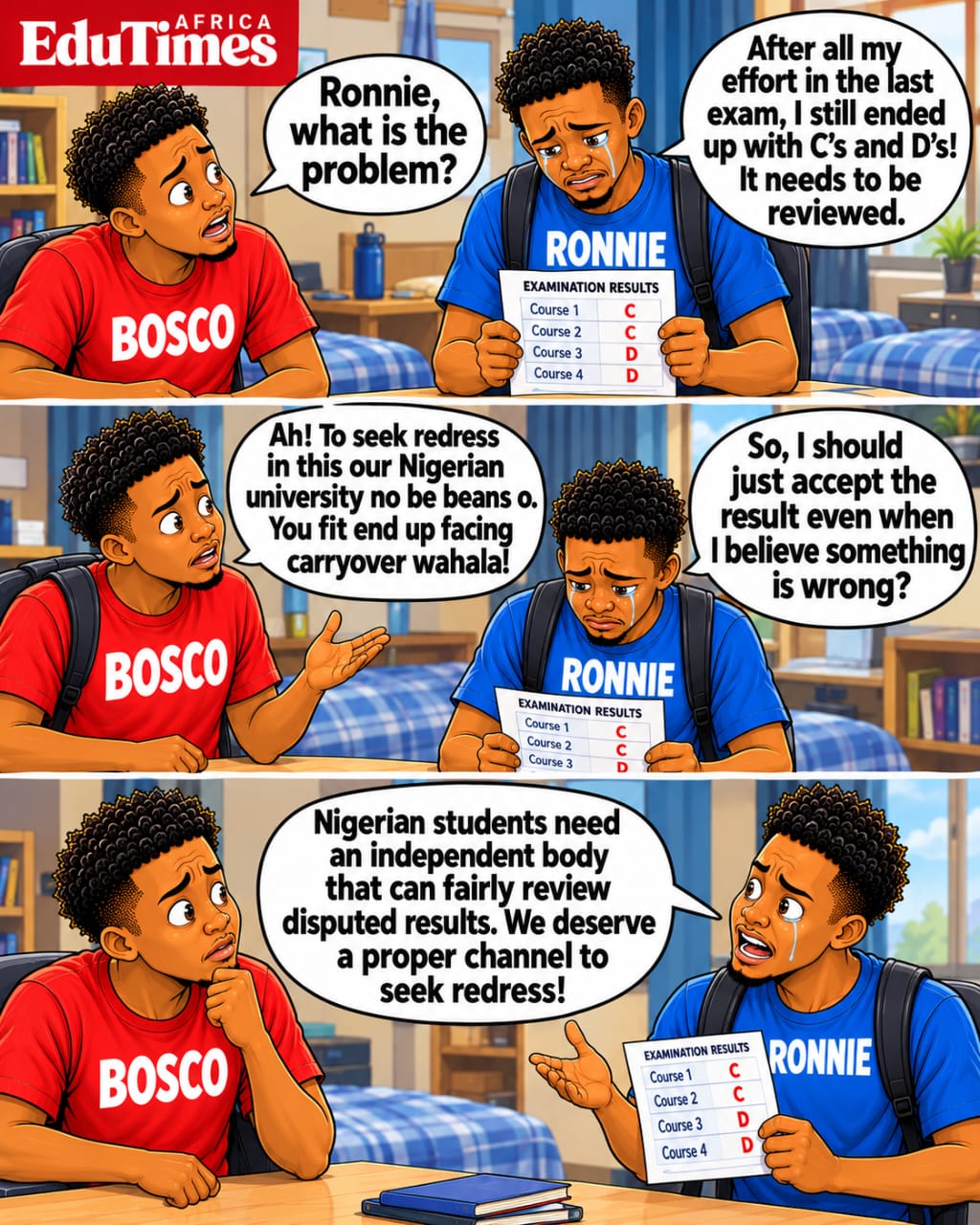
Education analysts note that beyond financial access, trust and clarity are becoming critical pillars of national interventions like the student loan programme. When institutions or unofficial sources release premature or inaccurate information, the consequences can ripple across campuses, affecting planning, enrollment decisions, and overall student morale.

The development comes at a time when the Federal Government continues to position the loan scheme as a major tool for expanding tertiary education access. With over one million beneficiaries recorded so far, the programme represents one of the most ambitious education financing efforts in recent years.
NELFUND has therefore advised students, institutions, and the general public to rely strictly on verified updates from its official platforms, warning that misinformation could undermine confidence in a system designed to support educational advancement.













 EduTimes Africa, a product of Education Times Africa, is a magazine publication that aims to lend its support to close the yawning gap in Africa's educational development.