

























Schools in Uganda are increasingly adopting energy-efficient cooking technologies as part of efforts to reduce operational costs and improve health conditions in school kitchens, with support from financial and development partners.



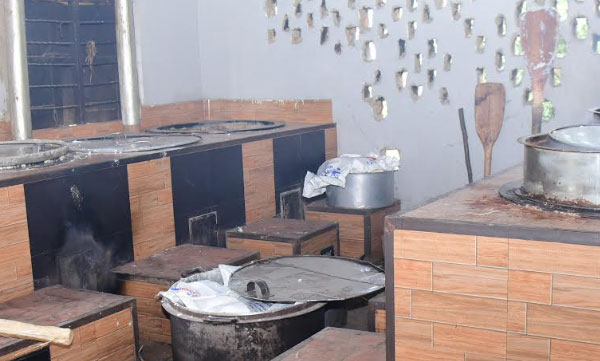
At St Andrew’s Secondary School in Rubindi village, Mbarara District, a transition to smart cooking systems is already transforming school operations. The school recently installed energy-saving cooking technology supplied by Ebenezer Energy Saving Stoves, marking a shift away from traditional firewood-based cooking methods.

For years, the school relied heavily on firewood to prepare meals for students and staff, a system that contributed to high operational costs, excessive smoke exposure, and health challenges among kitchen staff. The new cooking system is designed to reduce firewood consumption, limit smoke emissions, and improve overall kitchen conditions.
According to the school administration, the adoption of improved stoves has significantly reduced firewood usage, lowering both environmental impact and expenditure. The school also reported improvements in kitchen hygiene and working conditions following the renovation of its cooking facilities.

The Head Teacher of St Andrew’s Secondary School, Rubindi, explained that the institution previously spent substantial resources on firewood procurement, noting that the new system has drastically reduced consumption and costs.


Parents and school management representatives have also welcomed the initiative, saying the savings generated from reduced fuel expenses can now be redirected toward other educational needs, while easing pressure on the school’s natural resources.
The project is being supported through a Results-Based Financing (RBF) programme implemented through a partnership involving Equity Bank Uganda, Energising Development (EnDev) Uganda, and GIZ. The initiative incentivises the adoption of clean energy technologies, including improved cooking systems and solar solutions across schools, households, and businesses.
According to Equity Bank Uganda’s Energy, Environment and Climate Change Manager, the partnership has helped expand access to clean energy technologies, enabling institutions to reduce dependence on firewood, charcoal, and kerosene while improving efficiency and sustainability.
The programme is also being implemented across other sectors, including small businesses such as salons, retail shops, and farms, where beneficiaries are adopting solar-powered systems to reduce energy costs and extend operating hours.
Stakeholders say the clean cooking initiative represents a broader push toward renewable energy adoption in schools, with the potential to improve health outcomes, reduce environmental degradation, and support long-term cost savings in the education sector.










 EduTimes Africa, a product of Education Times Africa, is a magazine publication that aims to lend its support to close the yawning gap in Africa's educational development.