





















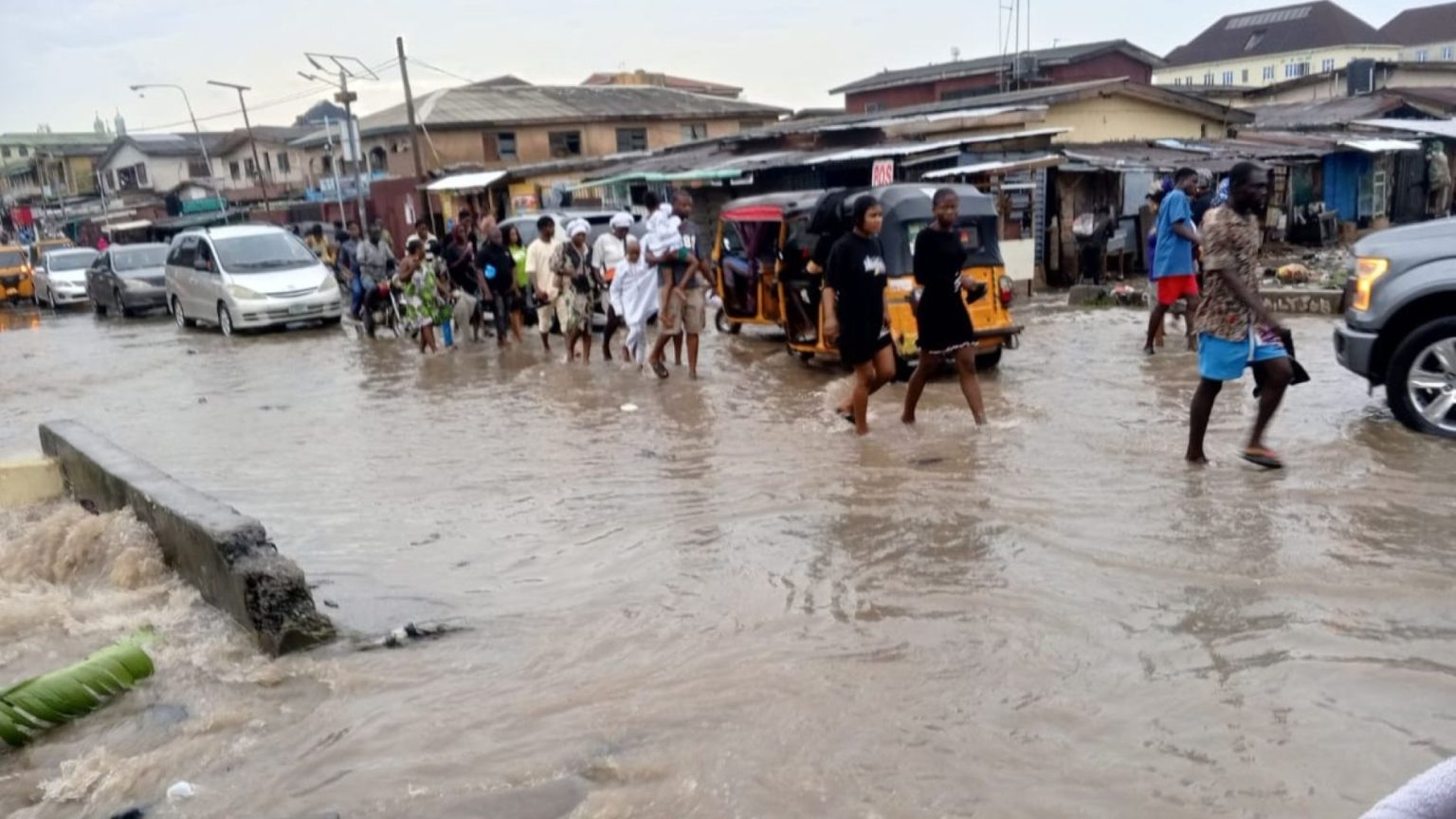


The arrest of a 56-year-old man for allegedly dumping refuse into a drainage channel in Lagos has once again drawn attention to one of the city’s biggest environmental challenges. The suspect was apprehended by officials of the Lagos State Environmental Taskforce after he was caught disposing of waste into a drain—an act that authorities say contributes directly to the perennial flooding that paralyses parts of the state during the rainy season.


See Video here:
While the incident sparked outrage on social media, environmental experts say it reflects a wider problem. Flooding in Lagos is not caused by a single factor but by a combination of climate change, rapid urbanisation, poor infrastructure and human behaviour.
Here are 15 reasons Lagos continues to experience devastating floods and the solutions that could help the city become more resilient.

1. Indiscriminate Waste Disposal
Refuse dumped into drains blocks the free flow of stormwater, causing drains to overflow during heavy rainfall.
Solution: Enforce environmental laws, prosecute offenders consistently and improve waste collection services.
2. Heavy Rainfall
Lagos experiences intense rainfall during the wet season, often exceeding the capacity of existing drainage systems.
Solution: Expand stormwater drainage infrastructure and strengthen flood forecasting and early warning systems.
3. Climate Change
Rising global temperatures have increased the frequency of extreme rainfall and coastal flooding.
Solution: Invest in climate adaptation projects, flood-control infrastructure and nature-based solutions.
4. Poor Drainage Infrastructure
Many drainage channels are either undersized, ageing or poorly designed for today’s population.
Solution: Upgrade drainage systems and ensure regular desilting before and during the rainy season.
5. Rapid Urbanisation
Lagos continues to grow at an unprecedented rate, placing enormous pressure on existing infrastructure.
Solution: Ensure every new development includes adequate drainage and flood management measures.
6. Blocked Canals and Waterways
Silt, vegetation and accumulated waste reduce the capacity of canals to carry floodwater.
Solution: Carry out year-round maintenance and dredging of major waterways.
7. Loss of Wetlands
Wetlands naturally absorb excess rainwater, but many have been reclaimed for housing and commercial projects.
Solution: Protect remaining wetlands and restore degraded ones.
8. Excessive Concreting
Buildings, roads and paved surfaces prevent rainwater from soaking into the ground.
Solution: Increase green spaces and encourage the use of permeable paving materials.
9. Construction on Floodplains
Building on natural waterways restricts the movement of floodwater.
Solution: Strictly enforce planning regulations and remove illegal structures obstructing drainage channels.
10. Rising Sea Levels
As a coastal city, Lagos is increasingly vulnerable to tidal surges and sea level rise, which worsen flooding.
Solution: Strengthen coastal defences and restore mangrove ecosystems.
11. Low-Lying Geography
Large parts of Lagos lie only a few metres above sea level, making flooding a natural risk.
Solution: Restrict development in high-risk flood zones and improve land-use planning.

12. Land Subsidence
Ground sinking in some parts of Lagos increases the likelihood of flooding.
Solution: Regulate groundwater extraction and monitor land reclamation activities.
13. Weak Enforcement of Environmental Laws
Although regulations exist, inconsistent enforcement encourages environmental offences.
Solution: Increase monitoring, surveillance and penalties for environmental violations.
14. Population Pressure
With more than 20 million residents, Lagos generates huge volumes of waste and places immense strain on public infrastructure.
Solution: Expand urban infrastructure while promoting balanced regional development across Nigeria.
15. Poor Public Awareness
Many residents remain unaware of how seemingly minor actions, such as dumping refuse into drains, contribute to widespread flooding.
Solution: Intensify environmental education through schools, community organisations and the media.
Why Solving Lagos Flooding Matters
Flooding in Lagos disrupts transport, damages homes and businesses, destroys infrastructure, spreads water-borne diseases and costs the economy billions of naira each year. It also places vulnerable communities at greater risk.
Reducing flooding will require more than government intervention. Residents must dispose of waste responsibly, developers must comply with planning regulations and authorities must continue investing in resilient infrastructure while enforcing environmental laws without exception.
The arrest of one individual for dumping refuse into a drainage channel may appear insignificant, but it highlights a larger issue. If Lagos is to overcome its annual flooding crisis, both government and citizens must recognise that environmental responsibility is a shared duty.








 EduTimes Africa, a product of Education Times Africa, is a magazine publication that aims to lend its support to close the yawning gap in Africa's educational development.