



















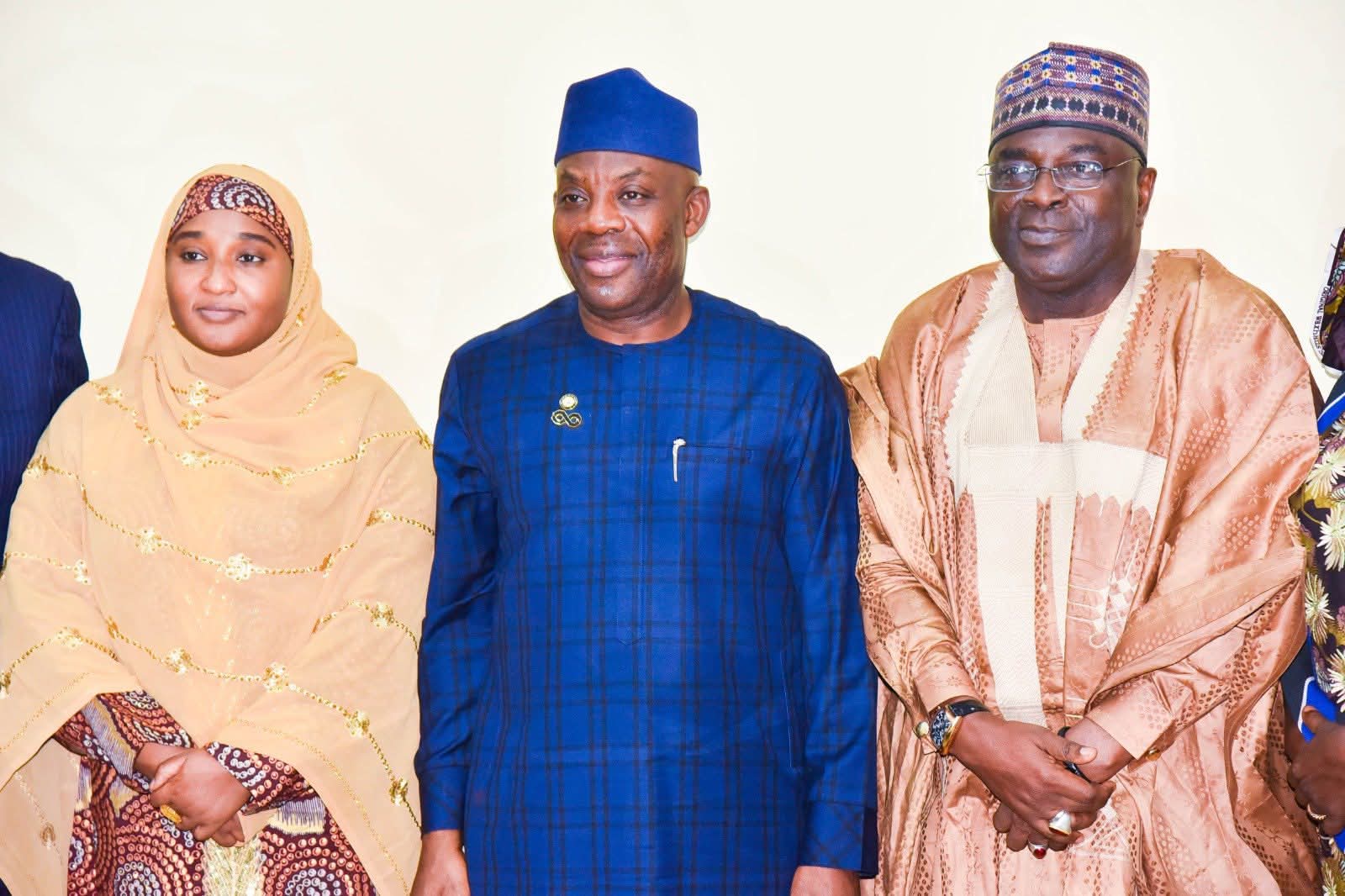


The Federal Ministry of Education has formalised a strategic partnership with the National Population Commission (NPC) to integrate birth registration into Nigeria’s school enrolment and education planning systems.
Announcing the development in a press statement issued on March 2, 2026, the Minister of Education, Maruf Olatunji Alausa, said credible population data remains critical to effective education planning and resource allocation.

He explained that accurate demographic intelligence would enable government to determine rational school siting, ensure balanced teacher deployment, make realistic enrolment projections and distribute resources more equitably.
According to the Minister, integrating birth registration into admission processes will also promote proper age placement of pupils and strengthen the integrity of academic records nationwide.

He, however, assured that enforcement would only follow expanded nationwide access to birth registration services to prevent unintended barriers for families.

The Minister of State for Education added that digital integration between the two institutions would improve transparency in enrolment processes, enhance tracking of school attendance patterns and support early identification of dropouts.
Responding, NPC Chairman, Aminu Yusuf, reaffirmed the Commission’s mandate to manage Nigeria’s Civil Registration and Vital Statistics system. He disclosed that over 4,000 registration centres currently operate nationwide, with ongoing digital upgrades aimed at improving service delivery.
Both institutions agreed to establish a Joint Technical Working Group to harmonise verification procedures and ensure interoperability between their respective databases.
The Ministry said the collaboration underscores the Federal Government’s commitment to evidence-based education reform and inclusive national development.












 EduTimes Africa, a product of Education Times Africa, is a magazine publication that aims to lend its support to close the yawning gap in Africa's educational development.