

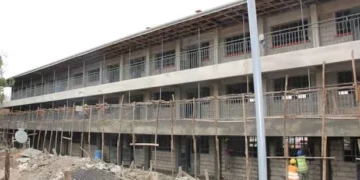











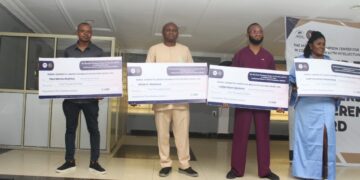
























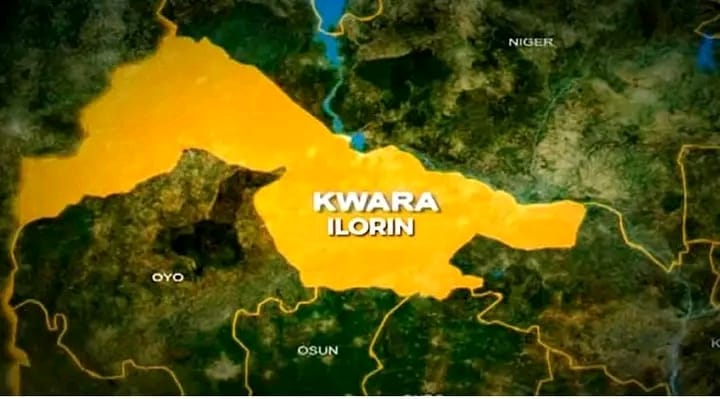


The Kwara State Government has commenced a two-day training for Technical Service Providers engaged under the Adolescent Girls Initiative for Learning and Empowerment (AGILE) project to supervise the rehabilitation of 898 public junior and senior secondary schools across the state.

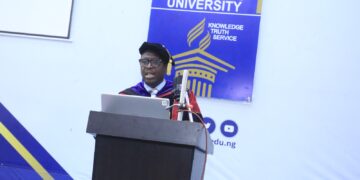
Speaking at the flag-off of the training in Ilorin on Friday, the Commissioner for Education and Human Capital Development, Lawal Olohungbebe, said the initiative reflects the commitment of Governor AbdulRahman AbdulRazaq to improving education and empowering vulnerable groups, particularly adolescent girls.

Olohungbebe, who also chairs the State Project Steering Committee for Kwara AGILE, said the project would strengthen both academic and economic opportunities for girls in the state.

He explained that the initiative would involve the construction of classroom blocks and other facilities in 26 public schools, while renovation works would be carried out in all 898 junior and senior secondary schools across the state.

“The governor has demonstrated deep passion and commitment to giving a lifeline to the economic and educational development of the citizenry, with particular emphasis on vulnerable groups in the society,” he said.
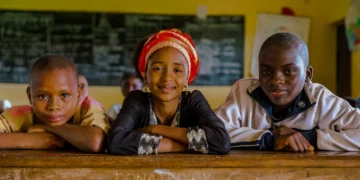
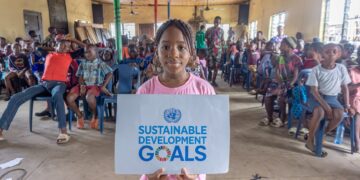
According to him, the AGILE project would also provide conditional cash transfers, digital literacy programmes, life skills training, and second-chance education opportunities for girls.
He urged the technical professionals engaged in the project to remain committed to delivering quality work.
“You are experienced professionals, and we expect you to remain steadfast, committed, and God-fearing so that your contributions can be remembered when the legacy of this administration is discussed,” he added.
The Project Coordinator of Kwara AGILE, Adeshina Salami, emphasised the importance of collaboration between the Technical Service Providers and the School-Based Management Committees to ensure effective project implementation.
Salami explained that the School Improvement Grants under the project are categorised into small, medium, and large grants depending on the needs of each school.
He added that all beneficiary schools would receive water, sanitation, and hygiene (WASH) facilities to improve learning environments.
“These professionals are not contractors; they are to support the School-Based Management Committees to ensure quality delivery and compliance with environmental and social standards,” he said.
He noted that the Technical Service Providers would work closely with school authorities, students, and host communities to ensure effective communication, safety management, and quality assurance throughout the rehabilitation process.
The Environmental Safeguard Officer from the National Project Coordinating Unit in Abuja, Nkechi Ikemefuna, said the training would help participants identify and mitigate environmental and social risks that could arise during the rehabilitation works.
Similarly, the Environmental Safeguard Officer for Kwara AGILE, Ayokanmi Owolabi, said the Technical Service Providers include professionals such as civil engineers, architects, quantity surveyors, town planners, estate surveyors, and land surveyors who will ensure that renovation works meet required standards.

He added that the training would equip participants with the knowledge required to implement environmental and social management plans and prevent risks such as noise pollution, waste mismanagement, occupational hazards, community conflicts, and gender-based violence.
The AGILE project is a five-year initiative of the Federal Ministry of Education Nigeria supported by the World Bank, aimed at improving access to secondary education and learning opportunities for girls in public schools across Nigeria.





 EduTimes Africa, a product of Education Times Africa, is a magazine publication that aims to lend its support to close the yawning gap in Africa's educational development.