















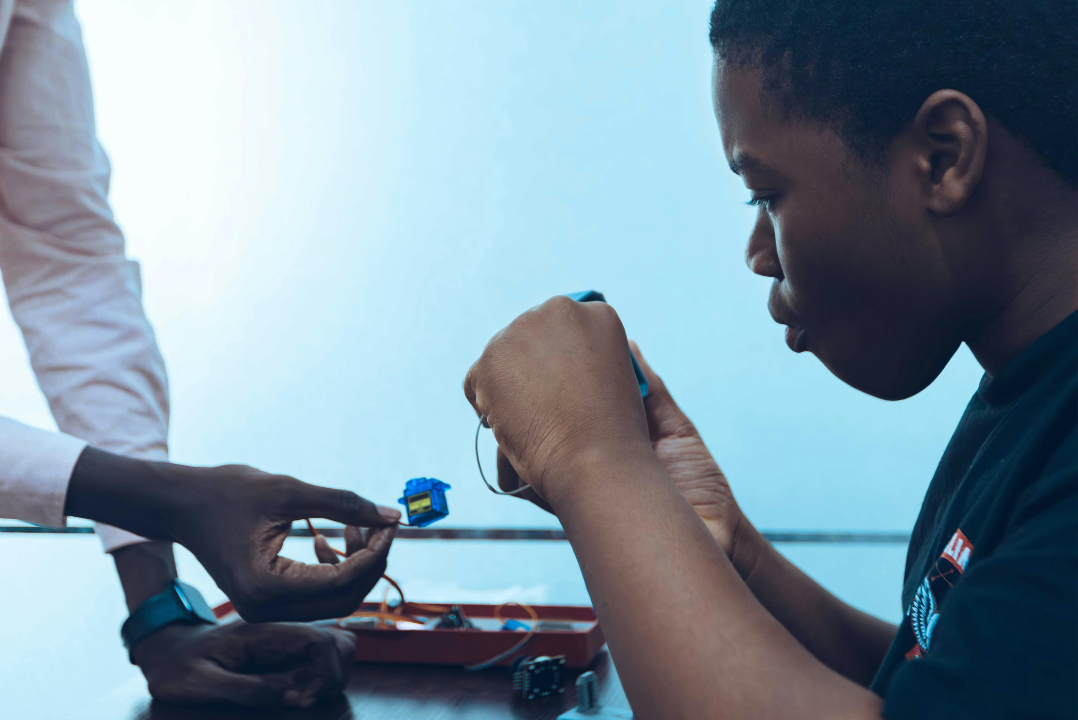


Education across Africa is evolving. While literacy, numeracy, and exam success remain important, the demands of the 21st century keeps expanding. Today’s learners are growing up in a deeply interconnected world where technology, global economies, and shared challenges, such as climate change and public health, connect people across borders. In response, many schools are placing greater emphasis on global competence. This means helping students develop the knowledge, skills, and values needed to understand global issues, appreciate diverse perspectives, communicate across cultures, and take responsible action in their communities. At its heart, global competence encourages learners to think beyond borders while remaining grounded in their local realities, preparing them not only for academic success but for meaningful participation in an increasingly connected world.


WHY GLOBAL COMPETENCE MATTERS FOR AFRICAN LEARNERS
Africa is home to the world’s youngest population, and its youth will play a major role in shaping the future global workforce and leadership. Preparing them for this future requires more than traditional academic learning.
Global competence offers African students key advantages:

- It helps them participate in the global economy, where cross-cultural communication and collaboration are essential.
- It enables them to share Africa’s perspectives, cultures, and innovations with the world.
- It encourages them to engage with global challenges while taking meaningful action in their local communities.
SIGNS OF TRANSFORMATION IN AFRICAN CLASSROOMS
Signs of transformation are already emerging in many classrooms across Africa as educators, school leaders, and policymakers increasingly recognize the need to prepare learners for a rapidly globalizing world. As a recipient of the AFS Effect+ for the classroom scholarship, I am currently on a transformative learning journey toward becoming a certified Global Up Educator. Through this program, I have gained access to a specialized Educator Toolkit that empowers my students to engage meaningfully with the United Nations Sustainable Development Goals (SDGs) through interactive, global citizenship focused learning experiences. The program also connects me with a diverse global network of educators through virtual exchanges, where we collaborate and share best practices for fostering intercultural competence in increasingly multicultural classrooms.
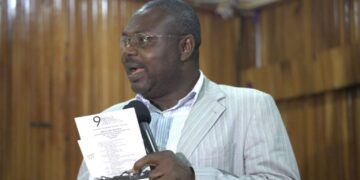
These experiences reinforce a vision I shared in my recent speech on 6th global talk: Eco Leaders of Tomorrow and the Green Horizon and Future Skills, where I described schools as “living labs”—dynamic spaces where students actively engage with real-world challenges, develop critical future skills, and design innovative solutions for a more sustainable and inclusive world. Some of the ways are:


- Rise of project-based learning: Students engage in interdisciplinary projects addressing real-world challenges such as environmental sustainability, renewable energy, and community development.
- Technology enabling global engagement: Tools like virtual exchanges, online collaboration platforms, and international learning communities allow African students to connect and collaborate with peers worldwide.
- Development of global communication skills: Cross-border interactions help students share ideas, understand different cultures, and build communication skills needed for global participation.
- Integration of global citizenship education: Schools are teaching empathy, cultural understanding, ethical leadership, and responsible citizenship.
- Education beyond borders: These trends show a growing belief that learning should extend beyond classroom walls and national boundaries, preparing students to participate in the global community.
THE EVOLVING ROLE OF THE TEACHER
- Shift in the teacher’s role: Educators are moving from being knowledge transmitters to facilitators of learning experiences that promote exploration, dialogue, and critical thinking.
- Encouraging global inquiry: Teachers create opportunities for students to ask questions about global issues, examine multiple perspectives, and reflect on culture, identity, and responsibility.
- Use of global learning approaches: Strategies include international case studies, research on global challenges, and cross-cultural exchanges with other schools.
- Connecting global and local contexts: Students are guided to understand how global trends affect their local communities, making learning more relevant and impactful.
- Teachers as guides: Educators play a vital role in helping learners connect local realities with global perspectives, fostering globally competent students.
CHALLENGES THAT MUST BE ADDRESSED
- Integration challenges: Despite progress, incorporating global competence into African education systems still faces several obstacles.
- Examination-driven systems: Heavy emphasis on memorization and standardized testing limits time and flexibility for inquiry-based and interdisciplinary learning.
- Unequal access to technology: Variations in internet connectivity and technological infrastructure restrict opportunities for global collaboration in some schools.
- Teacher development and training: Educators need continuous professional development and institutional support to effectively integrate global competence into classroom practice, with programs that equip them with the strategies, skills, and resources needed to deliver globally oriented learning
- Role of leadership and policy: Overcoming these barriers will require coordinated efforts from policymakers, educational institutions, and school leaders.
- Intentional integration: Global competence must be deliberately embedded in African education systems. Curricula should include global themes and interdisciplinary learning that connect local realities with global issues.
- International partnerships: Schools can build collaborative projects and exchanges with students from other countries to broaden perspectives and promote cultural understanding.
- Protecting local identity: Global competence should coexist with strong local identity, encouraging learners to value African languages, cultures, and histories.
- Balanced learning: Education should combine local grounding with global awareness, helping students develop identity and adaptability.
A NEW VISION FOR AFRICAN EDUCATION
Education must therefore move beyond a narrow focus on examinations to embrace a broader purpose, preparing learners to participate meaningfully in an interconnected world. In this evolving landscape, students must cultivate essential qualities such as curiosity, empathy, cultural understanding, and strong problem-solving abilities. By nurturing these competencies, schools can help shape a generation of innovative, culturally intelligent, and socially responsible African learners. Ultimately, such globally competent young people will not only contribute to transforming Africa’s future but will also play an active and positive role in the global community.
______________________

Oluwatosin Osemeobo is a passionate lifelong learner, writer, sustainability advocate, and global educator with nearly two decades of impactful experience in the education sector. He is known as a prophetic guide and a wisdom voice, deeply committed to helping individuals—especially educators—rethink life, faith, and sustainable living in alignment with divine purpose.
Tosin holds a Nigeria Certificate in Education from FCT College of Education, Abuja, and a Bachelor of Education from Obafemi Awolowo University (OAU). His academic journey is further enriched with international certifications, including Inclusive Leadership from the Open University (UK), Sustainable Diet from the United Nations Climate Change program (UNCC), and multiple prestigious courses from the University of Cambridge in areas such as the UN Convention on the Rights of the Child, Trade Rules, and Sustainable Development.
He serves as the President and Convener of When TEACHERS Pray—a global virtual platform committed to nurturing the spiritual wellbeing of educators and igniting revival within school communities.
In this role, he leads with a passion for intercession, weaving together purpose, prayer, and personal growth to inspire transformation in both lives and classrooms.
Tosin is also a Transformational Thought Coach, hosting free and paid masterclasses for teachers and purpose-driven professionals through Thought Campus—a digital space and learning community that offers coaching, insight-driven masterclasses, and practical tools for personal transformation. His work blends practical wisdom with divine insight, helping people explore purpose, leadership, and destiny from upward perspective.
He designs and leads initiatives that position schools as hubs for sustainable development and teacher wellbeing, collaborating with organizations and educators globally to promote systems that are spiritually grounded, socially just, and environmentally conscious.
Currently based in Abuja, Nigeria, Tosin remains actively involved in the education space while contributing to global conversations on school sustainability, human rights, educator wellbeing, and spiritual leadership. Passionate about driving systemic change, he is open to speaking engagements, strategic partnerships, and consultancy opportunities that align with his vision of purpose-driven, globally impactful education.
Email: tosemeobo@gmail.com Phone: +234 806 561 1550
Linkedin: www.linkedin.com/in/oluwatosin-osemeobo-9b8a7a12a





 EduTimes Africa, a product of Education Times Africa, is a magazine publication that aims to lend its support to close the yawning gap in Africa's educational development.