




















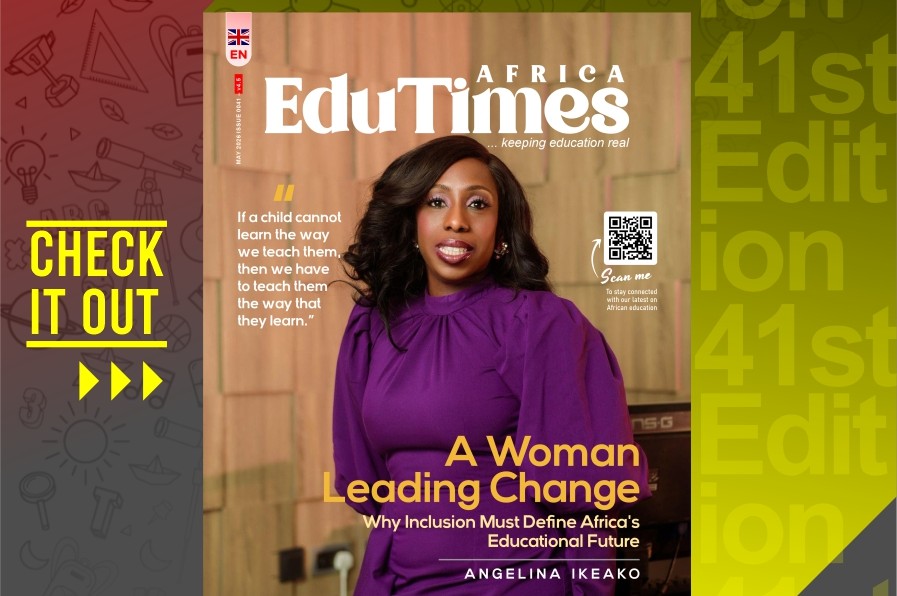


Few education leaders embody the drive for inclusion, innovation, and systemic transformation across global education as deeply as Angelina Ikeako.
You might also like thesePosts



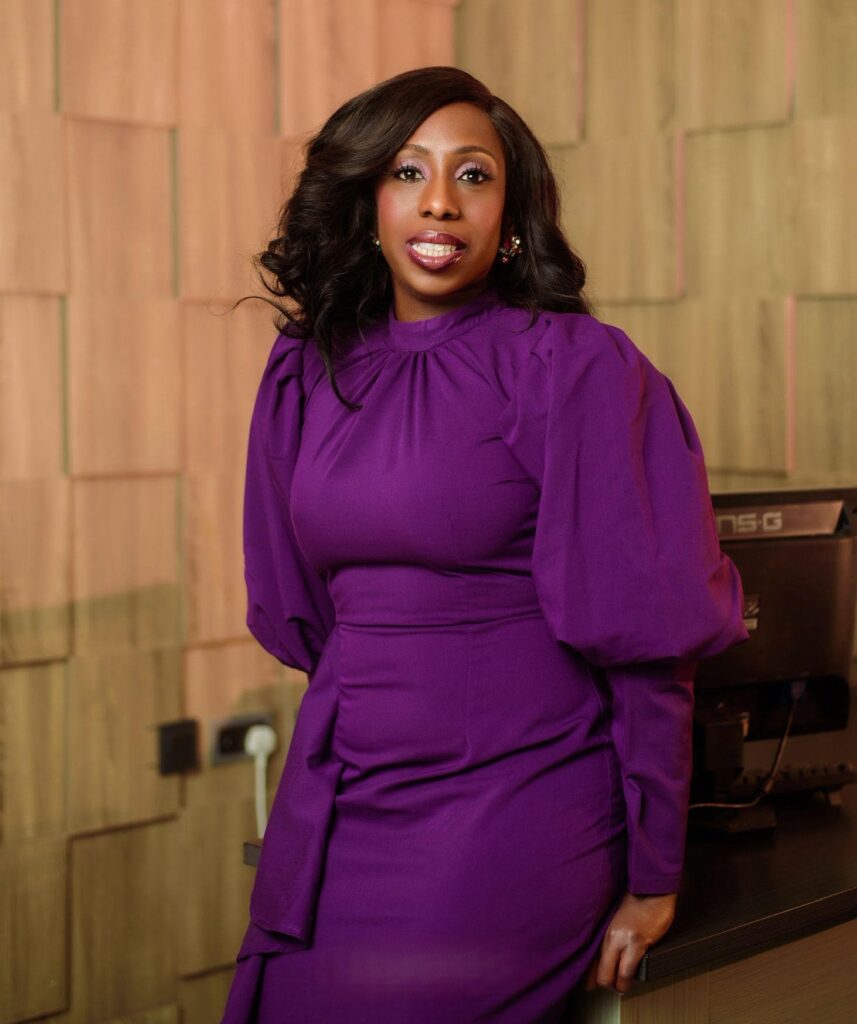
With over two decades of experience across the United Kingdom and Africa, Angelina Ikeako is an educator, international speaker, and a senior leader within a UK local authority, supporting over 100 schools to improve outcomes for vulnerable learners and strengthen inclusive practice.

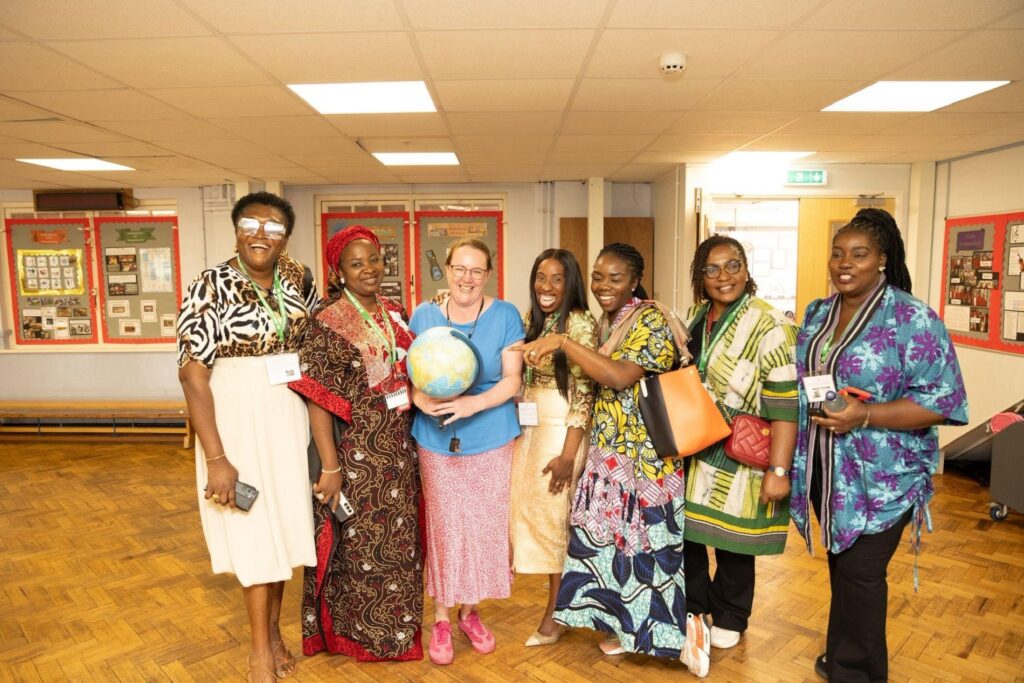
Angelina Ikeako is the founder of the International School Leaders Conference and the Global Schools Connect Programme, connecting students across continents through collaborative learning that builds global citizenship, leadership, and cross-cultural understanding. Her work continues to influence global conversations on education leadership, inclusion, and school improvement. Angelina Ikeako also serves as a school governor in East London and is a Senior Fellow of the International Forum of Inclusion Practitioners, with recognition for her contributions to educational leadership and inclusion. She is an accomplished author with multiple publications.
Her career reflects a deep commitment to bridging educational practice between continents and empowering leaders to drive sustainable change.

This interview explores Angelina Ikeako’s perspectives on education reform, inclusion, and what it means to lead with empathy, purpose, and vision in a rapidly changing world across diverse educational contexts.
You’ve built an impressive career across both the UK and Africa. What inspired your journey into the education sector, and what continues to drive your passion today?
My journey was inspired by my mum who was passionate about education. She started a school 27 years ago and I watched as she struggled because of her limited skills and expertise. She was not, at the time, a qualified teacher. However she invested a lot into training. Her resilience and commitment to growth continues to motivate me today as I want to support school owners and educators like her; people who have found themselves in the space because of passion and purpose. Enabling them to attain peak performance by upskilling them.
As a senior leader supporting over 100 schools in the UK, what do you see as the most urgent challenge facing education systems in Nigeria when you compare it to UK education?
I think that one of the most urgent challenges facing the education system in Nigeria is limited resources in terms of human resources, knowledge resources and physical resources. Expanding on human resources, I’m talking about skilled staff. So, in education in Nigeria it’s public knowledge that a lot of people who become teachers, for them teaching was not their first choice hence they may not have given themselves to the different levels of training that will enable them to become exceptional in the role of teaching. This doesn’t mean that they don’t have a first degree and even a post graduate in education. However, we must realise that when someone is passionate about a job it makes them go the extra mile. In my experience of consulting for both private schools and working with a few government schools, I have seen several cases of teachers not willing to go the extra mile to build their professional capacity. The other area where there’s a need for a complete system overhaul is in physical resources, and by that, I mean ensuring that schools are equipped with the resources needed for interventions and reasonable adjustments to make lessons engaging. In the UK what has stood out most for me has been that CPD mandatory requirement for every teacher, which the schools know is part of statutory regulation. Nigeria too has policies around CPD with the Teacher Registration Council but plenty of work remains to be done in terms of ensuring that professional development is not just an option. It’s not a ‘nice to have’. It needs to be systemic, it needs to be embedded. It is not only a requirement but it needs to be monitored. So, an area in which we need to provide support is in the area of resources, and we’re looking at financial resources and teaching resources in our schools. So for instance, when we talk about inclusion in schools and what can be done to support neuro diverse learners, the truth is that in Nigeria we struggle in that regard because our schools are not well equipped. You know we started with knowledge resources but many of our teachers don’t even know the equipment and resources that are needed to ensure neurodivergent learners can thrive in the classroom. Now if they didn’t know these things, how would they know what to purchase? In other countries like the United Kingdom, when a child is neuro diverse, they would go for an assessment. Once they’ve been assessed they would then qualify for an education healthcare plan which attracts the financial resources to ensure that the accommodations and interventions needed in the schools are provided for. But this is done by the government and this is an area where Nigeria is definitely lacking and lagging behind.
Your work focuses heavily on vulnerable learners. What strategies have you found most effective in closing the attainment gap?
The most effective strategy to close the attainment gap is still the educator. This is because if a child cannot learn the way we teach them, then we have to teach them the way that they learn; and it’s about helping the educator to be able to understand how children learn and then helping them to teach the child in the way that the child learns best. We know that nothing changes until the adults change. It doesn’t mean that we absolve children of any kind of responsibility when it comes to attainment gaps but we’re saying we must provide the right support. Now, having that passionate, empathetic, relational, educator, teacher and school leader helps the students who are struggling to know that they have someone who is supportive of them. Therefore, when we think about closing the gaps, the area that we must continue to advocate for is in a relational approach in supporting our learners to ensure that every learner has that significant adult they feel they can speak to. Because when we think about attainment and when we think about children that are not doing well, we must realise that it is not a linear approach that is required for us to make progress. It’s complex because we’ll be looking at family issues, thinking about diverse needs, thinking about social economic issues, amongst a plethora of other things. It’s quite complex and that’s why the place to start is a relational approach where everyone understands that they need to do a bit better so they can adequately support the child.
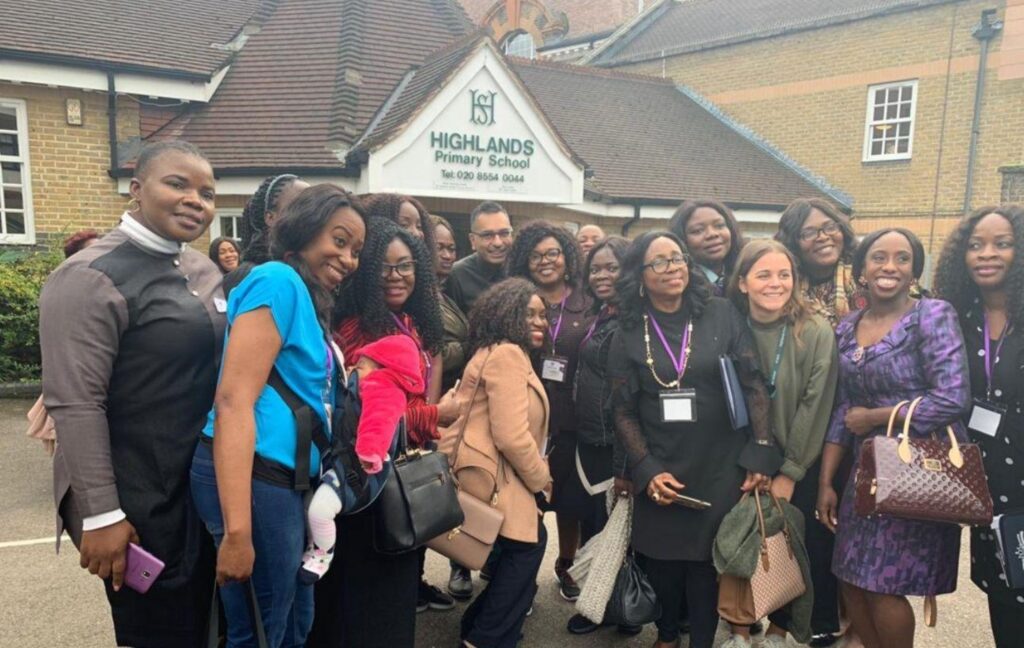
You founded the International School Leaders Conference in 2019. What gap in the education sector were you aiming to fill with this initiative?
The International School Leaders Conference which I found in 2019 was literally a response to a need that popped up that year. I was invited by Lagos State to train 450 of their school inspectors. They are evaluators who would normally go around to inspect schools in Lagos. So, I came over and gave a complimentary training. One of the school directors then asked if it was possible for me to organise a visit to the UK for her because she would like to observe a school in the UK, and I said certainly. I can do that and I can do it for a few more others too. I must say that since 2019 till date, apart from when we had a forced break because of Covid, we’ve continued to have that conference and the feedback has been absolutely amazing. We need to think of how we can draw experiences from different parts of the world, to ensure we’re building a sustainable and comprehensive education system and school.
The Global Schools Connect Programme has impacted over 10,000 students across 26 schools. Can you share a powerful success story or transformation from this initiative?
The Global Schools Connect Programme which has impacted over 10,000 students also came as a response to a need, when I realised that a lot of our school owners were very keen to have more conversations. They wanted to ask questions and we didn’t have so much time to do that. But I could see that they wanted more. One testimonial we have is about a school in Abuja, Jaypecstar. I remember that when the time came for the Global School Connect, the school leader said to me that she came with a student but she didn’t think he had any real strengths. While working on the different projects they discovered that he was an amazing orator. Shortly after the Global Schools Connect, the school admitted 50 new students simply because they were inspired by the transformation that occurred in the children who had attended the Global Schools Programme.
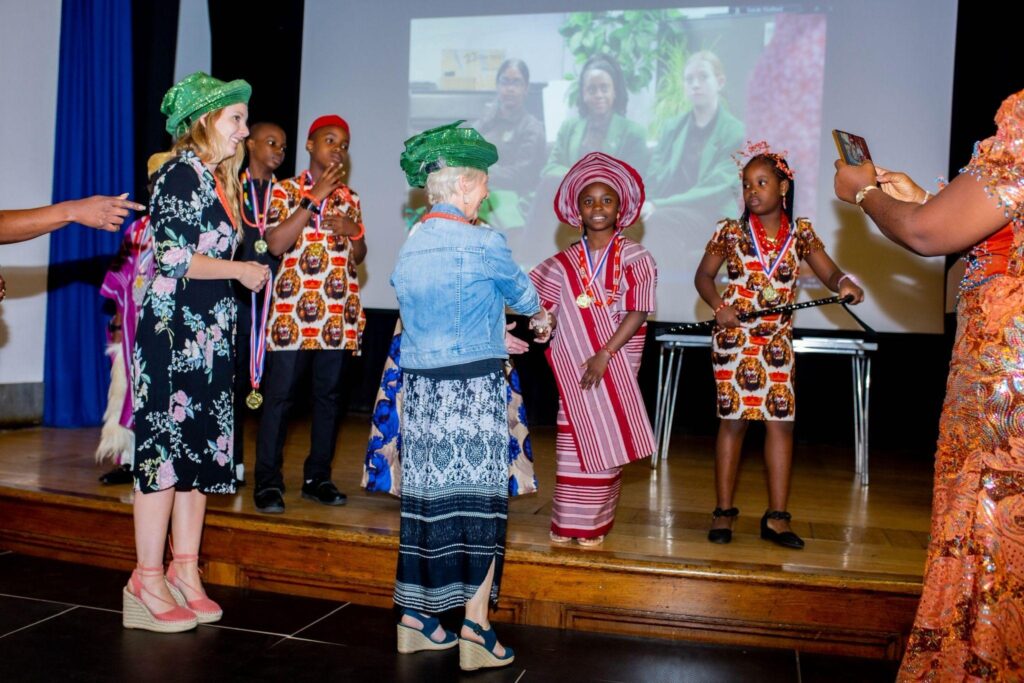
How do you think cross-cultural collaboration between African and UK students shapes global citizenship and future leadership skills?
I think that cross-cultural collaboration between Africa and the UK really shapes empathy. It helps in increasing cultural capital amongst students. It begins to help them to develop soft skills which in today’s world is gold because right now and with the advent of AI, the kind of skills that are very important include emotional intelligence – the soft skills such as interpersonal skills, team building skills and leadership skills. All of these can be gained from cross-national collaboration.
You’ve held multiple leadership and governance roles, including serving as a school governor in East London. How do these roles influence your broader vision for education reform?
I think that my leadership roles have influenced me to think about education reform holistically. Do you know that a lot of times when we think about education reform, we think about how we would like to change this or that. But in making changes, what is required for it to be effective? And what systems are needed in order for it to be sustainable? What groundwork needs to be done for the change to be manageable? Because every time there is change it signals loss. Why? Because people have been used to a particular system. So, even though change is good, change has its own challenges.

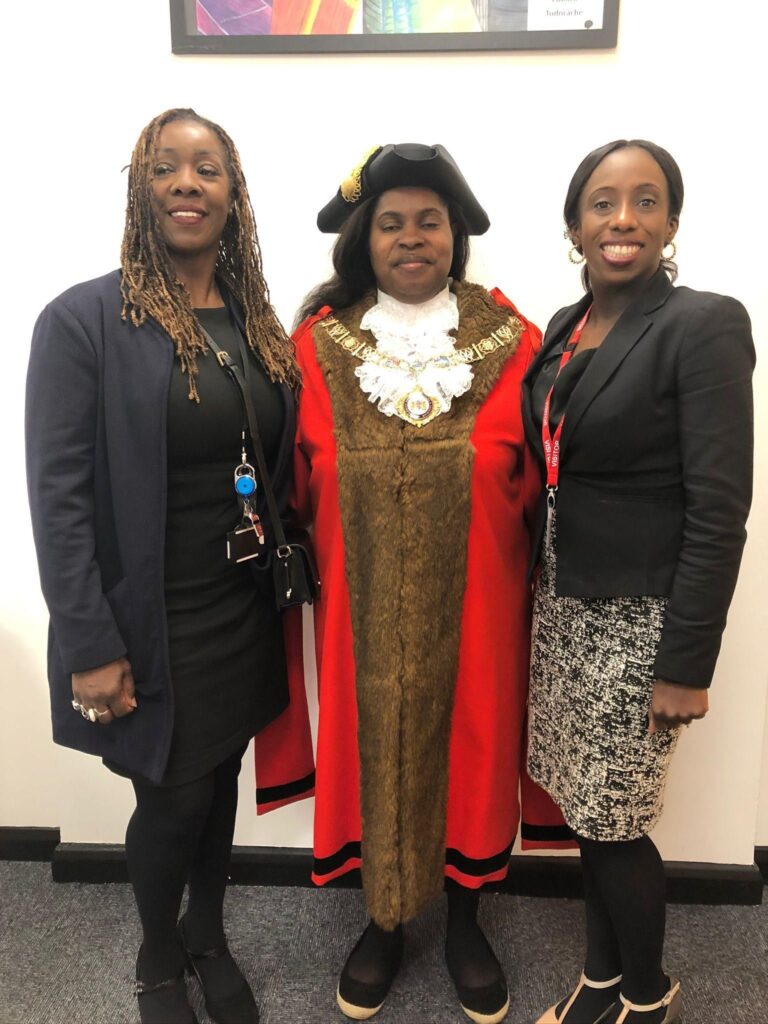
You were recently recognized as a Senior Fellow with the International Forum of Inclusion Practitioners. What does inclusion in education mean to you in practical terms?
For me inclusion means giving children, irrespective of their neuro divergence or their needs, the tools they need to succeed. It is about ensuring that all learners are supported to thrive. Inclusion is about making reasonable adjustments. It’s about a classroom where everyone has a sense of belonging. It is a school that has a culture of care. That for me is inclusion.
As someone who is also a speaker, author, and trainer, how do you balance these responsibilities while maintaining impact and consistency?
For me, I will say being able to delegate and also having the right people who can take on the responsibilities that free me up to be engaged in what I consider high value impact tasks. It is also recognising my limitations and being kind to myself. I usually say self care is not selfishness.
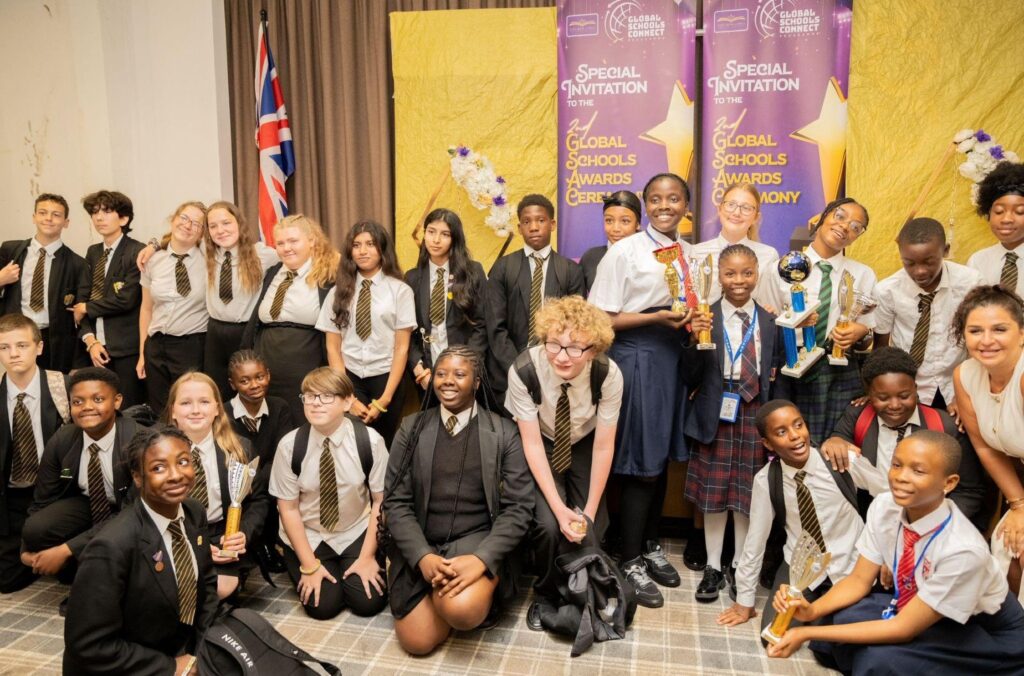
You were recognized as a finalist for the Women in Leadership Award in the UK. What did that recognition mean to you personally and professionally, and how has it influenced your leadership journey?
Being recognised as a finalist for the Women in Leadership award in the UK has provided the validation that helps to encourage me that the work I do goes beyond myself and that it’s impacting more people, and is serving as an example for women out there in the Leadership world. Also, the nomination for me was very personal because it reinforced that when we lead through the heart and when we have people-centred leadership that cares for our staff, it truly impacts them. This doesn’t mean we don’t have those difficult conversations. It doesn’t also mean that they don’t do what they should do. It just means that we recognise the value in people and we are willing to support them. Therefore being nominated has been for me a very humbling experience.
Finally, what message would you like to share with emerging education leaders, especially women striving to lead change in global education systems?
My message to women who are emerging education leaders is this; be committed to personal growth, be authentic, practice courageous leadership, lead with integrity, care and compassion but also be willing to have tough conversations. Finally, be willing to show up in different spaces and go beyond your comfort zone.
_______________________
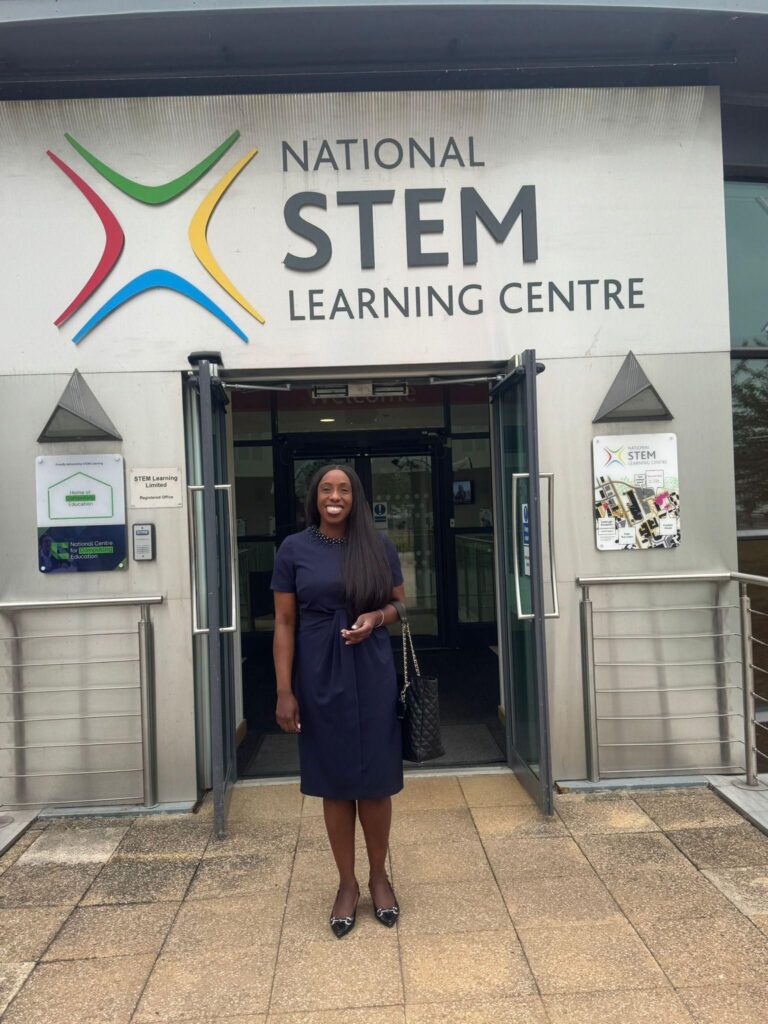
Angelina Ikeako is a passionate educator, international speaker, and transformational education leader with over two decades of experience in the education sector. Trained as a qualified teacher in the United Kingdom, she holds a Master’s degree in Education Management and has dedicated her career to advancing educational excellence, inclusion, and leadership development across both the UK and Africa.
Angelina is currently serving as a senior leader within a UK local authority and supports over 100 schools in driving achievement and attainment for vulnerable learners. Her work focuses on strengthening systems, empowering school leaders, and ensuring equitable outcomes for students from diverse backgrounds. Driven by a deep passion for improving education in Africa through human capacity development, Angelina founded and has organized the International School Leaders Conference since 2019. The conference brings together educators, school leaders, and changemakers to explore innovative strategies for transforming education and preparing schools for the future.
She is also the visionary behind the Global Schools Connect Program, an international initiative launched in 2023 to bridge the gap between students in Africa and the UK through global collaboration and partnership. The program enables students from both regions to work together on projects, research, and challenges that foster global citizenship, confidence, leadership, and cross-cultural understanding. Through this initiative, over 10,000 students across 26 schools have already been impacted.
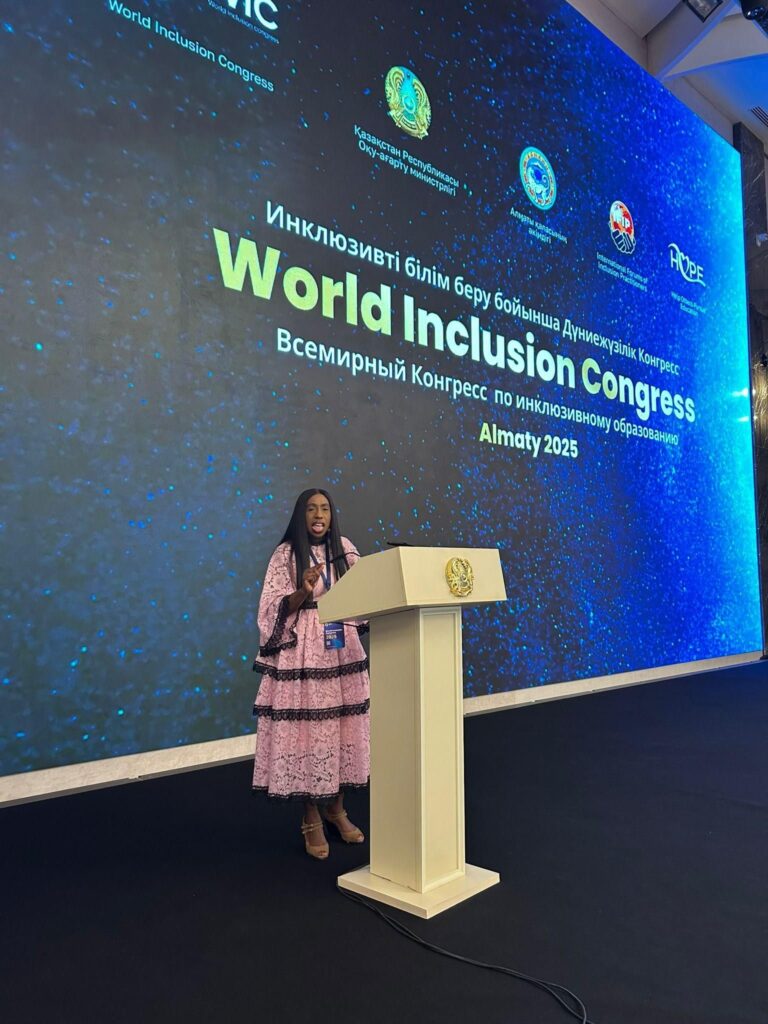
Beyond her educational initiatives, Angelina serves as a governor at one of the largest schools in East London, where she contributes executive and strategic leadership support. She is also a trained assessor and was recently recognized as a Senior Fellow with the International Forum of Inclusion Practitioners. In addition, she proudly represented Nigeria at the World Inclusion Conference, further amplifying her voice as an advocate for inclusive and equitable education. Her outstanding contributions to leadership and education have earned her recognition as a finalist for the Women in Leadership Award in the UK. A respected thought leader in the education space, Angelina is an accomplished author who has published two books, co-authored two additional books, and contributed to a third collaborative publication. She is highly sought after for teacher training, leadership development, and keynote speaking engagements, where she inspires educators and leaders to lead with vision, impact, and innovation. Above all, Angelina is a devoted wife and proud mother of two daughters, balancing her passion for leadership, education, business, and family with grace and purpose.
Instagram-
Angelina Ikeako
globalconnectgroupcic
Goldenlinkseduconsultants











 EduTimes Africa, a product of Education Times Africa, is a magazine publication that aims to lend its support to close the yawning gap in Africa's educational development.