




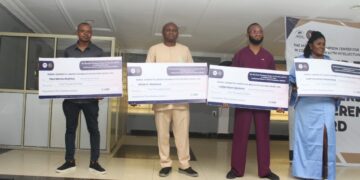

















The Deputy Minister of Technical and Higher Education of Sierra Leone, Sarjoh Aziz-Kamara, has called for the establishment of dedicated digital investment funds and financing mechanisms across Africa to accelerate digital learning and skills development.


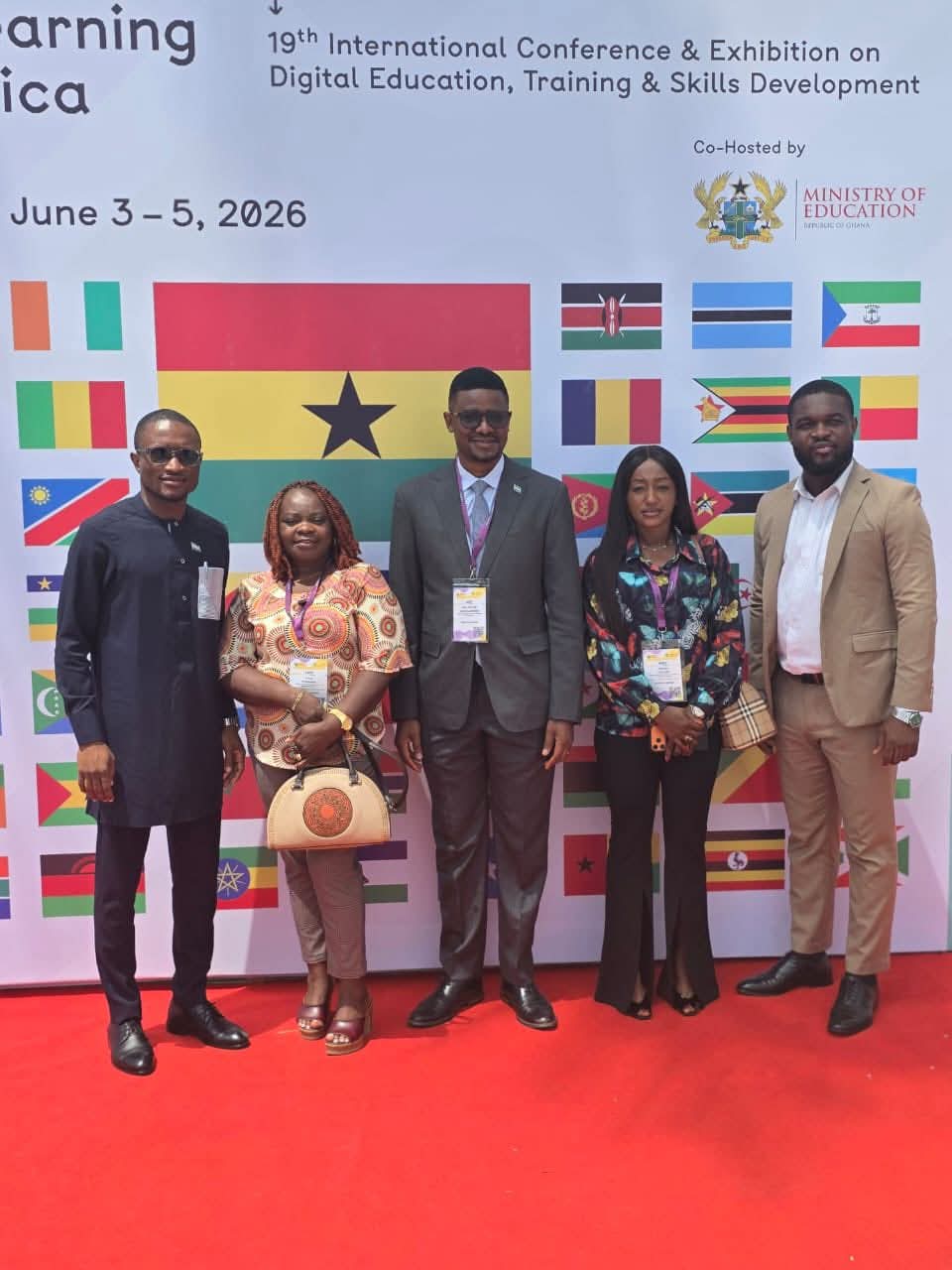
Aziz-Kamara made the call while representing Sierra Leone at the 18th Ministerial Round Table (MRT) on Digital Education, Training and Skills Development and the 19th eLearning Africa Conference held in Accra, Ghana, from June 3 to 5, 2026.

The conference, jointly hosted by eLearning Africa and the Government of Ghana, was held under the theme, “Africa’s Time, Africa’s Terms: Learning for Sovereignty, Strength and Solidarity.” It brought together more than 2,500 participants from 82 countries, including policymakers, university leaders, researchers, technology experts, innovators and education practitioners.
Speaking during the opening session of the Ministerial Round Table, the Deputy Minister delivered a keynote address on “Infrastructure and Finance for Digital Learning and Skills Development.” He highlighted Sierra Leone’s efforts to expand digital transformation within universities and Technical and Vocational Education and Training (TVET) institutions.

According to him, digital learning should be seen as more than the adoption of technology. He said it represents a pathway to digital sovereignty, equitable access to education, national resilience and workforce readiness.

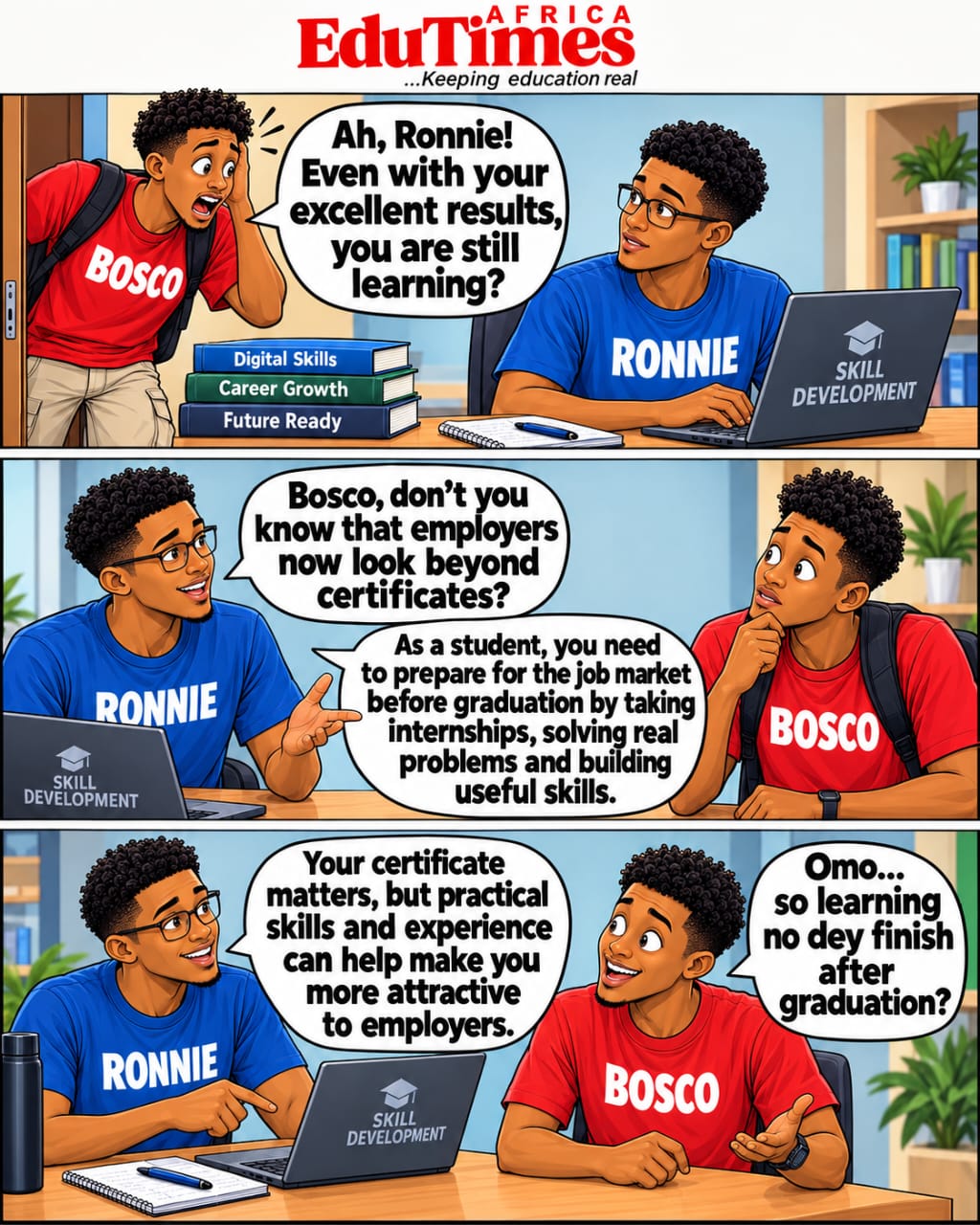
Aziz-Kamara noted that digital transformation must prepare young people for emerging job opportunities both within Sierra Leone and across the global labour market.
He urged African governments and development partners to establish sustainable financing mechanisms to support digital infrastructure, online learning platforms, content development and continuous professional training for educators and administrators.
The Deputy Minister added that increased investment in digital education would strengthen digital literacy, improve preparedness for artificial intelligence, promote science, technology, engineering and mathematics (STEM) education and enhance employment opportunities for African youth.
Sierra Leone’s participation at the event reflected growing international recognition of the country’s education reforms, including its Free Quality School Education programme, digital transformation initiatives in higher education and the leadership of President Julius Maada Bio, who was recently named a Global Partnership for Education (GPE) Champion for Sustainable Education Financing.
Also speaking at the conference, Ghana’s Minister of Education, Haruna Iddrisu, called for stronger collaboration among African countries to advance digital education and skills development. He encouraged governments and institutions to leverage partnerships and shared experiences to support the African Union’s Agenda 2063, STISA 2034 and other global digital education frameworks.
The conference attracted several notable international figures, including former UNESCO Assistant Director-General for Education, Stefania Giannini.
A major highlight of the event was the closing plenary debate, where participants discussed the need for African countries to modernise their education systems to better meet labour market demands. The discussions focused on creating skills-driven education models capable of generating employment opportunities while embracing emerging technologies, particularly artificial intelligence.








 EduTimes Africa, a product of Education Times Africa, is a magazine publication that aims to lend its support to close the yawning gap in Africa's educational development.