
























Msaka Calls for Safe Learning Environments as Safeguarding Handbook is Unveiled



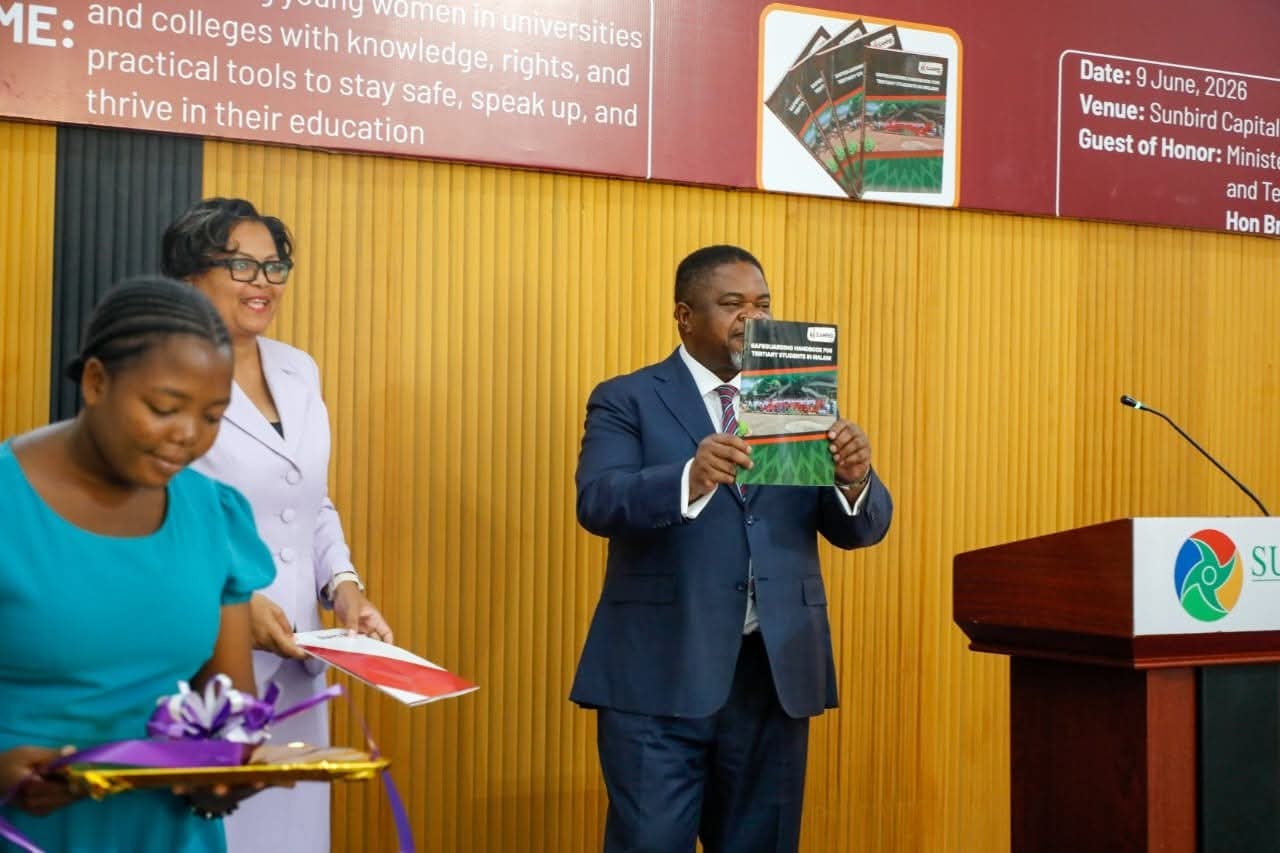
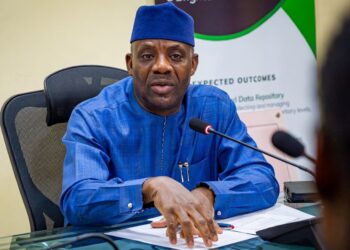
Minister of Education, Science and and Technology has launched the Safeguarding Handbook for Tertiary Students in Malawi, describing it as a vital tool for protecting students and promoting safe learning environments in universities and colleges.

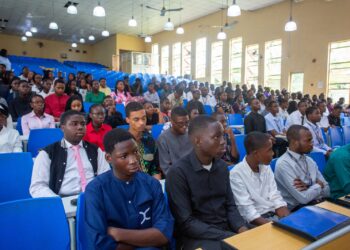
Speaking during the launch in Lilongwe held under the theme, “Empowering young women in universities and colleges with knowledge, rights, and practical tools to stay safe, speak up, and thrive in their education,” Msaka said the handbook represents a commitment to ensuring that no student has to choose between pursuing education and preserving their dignity, safety, and well being.
The Minister observed that while access to higher education has expanded globally, many young women continue to face challenges such as sexual harassment, gender-based violence, exploitation, cyberbullying, coercion, and the practice commonly referred to as “sex for grades.” He said these challenges threaten students’ academic aspirations and personal well-being, making safety a critical component of quality education.

Msaka said universities and colleges are expected not only to produce graduates but also to nurture responsible citizens, ethical leaders, innovators, and change makers. He noted that such goals can only be achieved when learning takes place in environments that are safe, inclusive, respectful, and free from fear.
CAMFED Malawi Executive Director Susan Silika said the handbook has been developed to empower young women in universities and colleges with knowledge, rights, and practical tools to stay safe, speak up, and thrive in their education. She noted that many female students face challenges such as sexual harassment, pressure from partners, and abuse of power, making safeguarding an important issue in higher education institutions.

She added that the handbook helps students identify different forms of abuse, including physical, emotional, sexual, financial, and online abuse, as well as signs of distress such as anxiety, withdrawal, and self-harm. According to Silika, the handbook goes beyond raising awareness by encouraging students to take action whenever they encounter or experience harmful behaviour.
Representing tertiary institutions, Dr. Duncane Batizani said the safeguarding handbook provides practical guidance that will strengthen efforts to build safer institutions. He said it reminds stakeholders that safeguarding is not the responsibility of a single office or department; rather, it requires the commitment of every member of the institution, from leadership and academic staff to support personnel and students themselves.












 EduTimes Africa, a product of Education Times Africa, is a magazine publication that aims to lend its support to close the yawning gap in Africa's educational development.