
























The Botswana Government has launched an ambitious nationwide programme to refurbish, modernise and maintain all public schools, marking a major step toward improving learning environments and restoring confidence in the country’s public education system.
The initiative, known as the National Programme on Refurbishment, Modernisation and Maintenance of Schools, follows President Duma Boko’s commitment to renovate every government school across the country. It will be implemented by the newly established Education Infrastructure Management Company (EIMC), a state-owned entity responsible for developing, maintaining and managing school infrastructure.

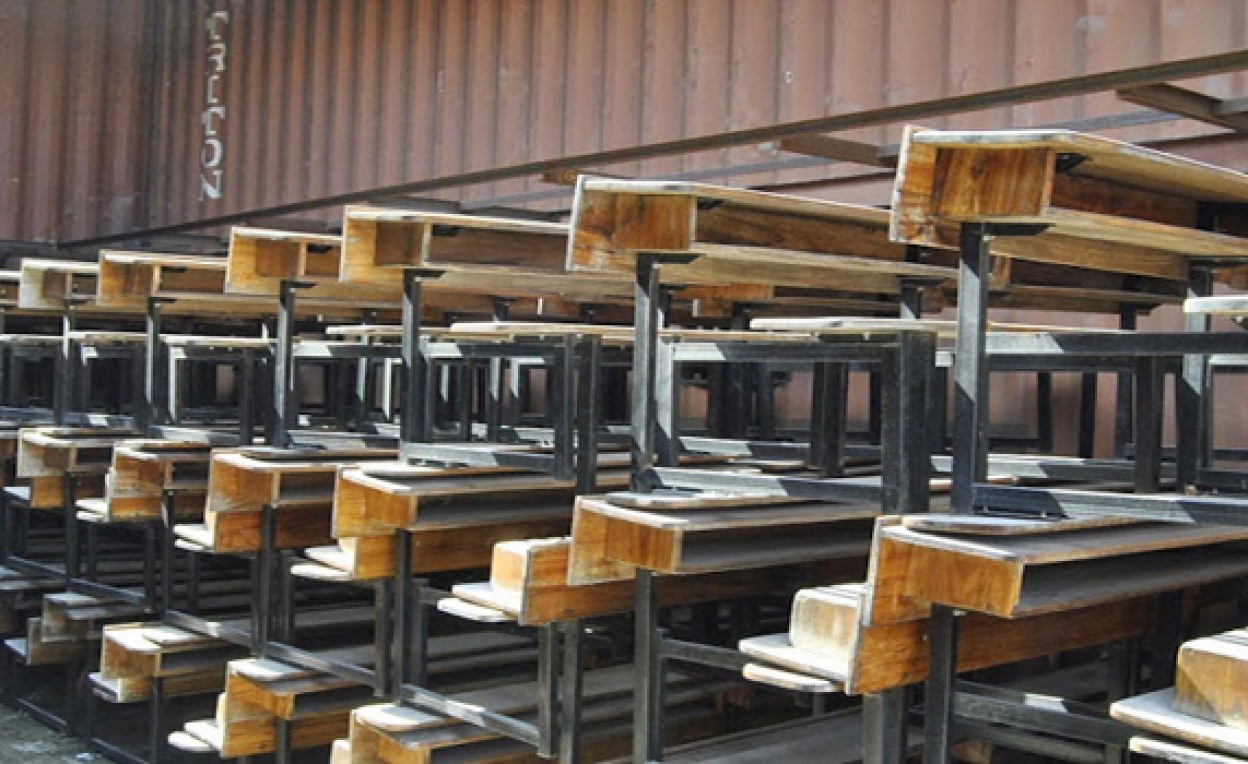
Speaking on the programme, EIMC Chief Executive Officer Chandada Masendu-Kusane said assessments conducted across junior and senior secondary schools revealed that approximately 75 per cent require urgent intervention. Many schools fall within the agency’s “red zone” category, characterised by dilapidated buildings, overcrowded classrooms, damaged lighting systems, deteriorating sanitation facilities and poor teacher accommodation.
Established in December 2025, the EIMC was created to oversee the expansion, modernisation, digitisation and long-term management of public schools. Beyond infrastructure rehabilitation, the company aims to equip schools with modern digital facilities to improve teaching and learning outcomes.


Masendu-Kusane noted that Botswana’s public schools risk falling behind global education standards if investments in digital infrastructure are not prioritised. She also expressed concern over the growing popularity of private schools, home schooling and private tutoring, saying the trend reflects declining public confidence in government schools.
The programme will cover all 1,020 public schools nationwide, including 779 primary schools, 207 junior secondary schools and 34 senior secondary schools. Implementation will begin with a three-year phase running from April 2026 to April 2029.

The first phase will focus on refurbishing 22 pilot schools, comprising 11 junior secondary and 11 senior secondary schools, before expanding to the rest of the country.
To ensure sustainability, the EIMC will establish routine maintenance systems, allocate dedicated maintenance budgets and introduce facility management structures to prevent newly renovated schools from falling back into disrepair.
The company will also assume responsibility for non-academic support services, including facility management and financial oversight, allowing teachers to focus primarily on classroom instruction. Plans are also underway to improve revenue collection from school fees and staff accommodation while promoting the commercial use of school facilities to generate funds for maintenance.
Implementation will be supported through a decentralised management structure covering seven operational zones, with local artisans, including plumbers, carpenters, welders and bricklayers, expected to participate in refurbishment and maintenance projects.
The nationwide programme is estimated to cost P7 billion. While the government has allocated P1 billion in the 2026/27 financial year, including P300 million for the initial 22 schools, additional funding is expected through partnerships with development finance institutions, foundations, corporate organisations and international donors.
According to the EIMC, the programme aims not only to restore ageing infrastructure but also to create modern, safe and inspiring learning environments capable of supporting quality education for future generations.










 EduTimes Africa, a product of Education Times Africa, is a magazine publication that aims to lend its support to close the yawning gap in Africa's educational development.