





















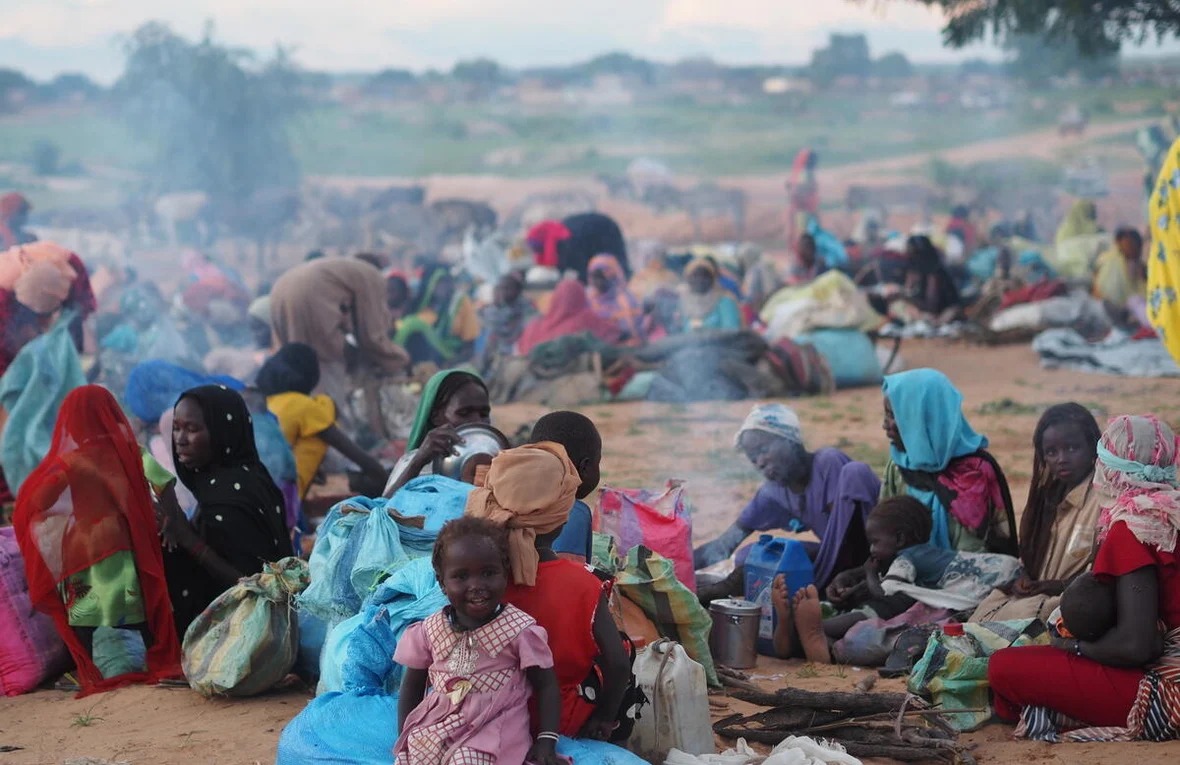


Sudan’s ongoing conflict has pushed the country’s education system to the brink of collapse, leaving millions of children without access to schooling as the humanitarian and economic crises continue to deepen.
According to the Geneva Global Hub for Education in Emergencies, nearly 19 million children were out of school during the 2024–2025 academic year. UNICEF estimates that about 17 million Sudanese children are currently unable to attend school, with nearly 7.9 million failing to return even after some schools reopened due to persistent insecurity.

Humanitarian organisation ReliefWeb reports that many Sudanese children have been out of school for more than 500 days, making the country one of the worst affected globally in terms of prolonged educational disruption, surpassing school closures experienced during the COVID-19 pandemic.
Save the Children described Sudan as facing one of the world’s most severe education emergencies, warning that widespread displacement, destruction of communities and prolonged conflict have left millions of children without safe learning environments. Many schools have reportedly been damaged, occupied for military purposes or converted into shelters for displaced families.


Save the Children Chief Executive Officer, Inger Ashing, said education is critical to protecting children from exploitation, early marriage and recruitment into armed groups, stressing that it provides hope, stability and opportunities for a better future.
The education crisis has been compounded by Sudan’s worsening economic situation. The country’s currency has sharply depreciated, weakening household purchasing power and making it increasingly difficult for families to afford education even where schools remain operational.
Transparency International has alleged that significant national resources are being diverted to finance the conflict through military-controlled companies, reducing funds available for essential public services such as education and healthcare.
Shaza Balla, Director of the International Projects Center in Sudan, told Radio Dabanga that revenues from gold mining and other war-related economic activities have become major sources of funding for parties involved in the conflict. She also noted that international sanctions have been imposed on some companies accused of supporting the war.
Aid agencies further warn that widespread food shortages and rising levels of child malnutrition could make it even harder for children to return to school, raising concerns that the prolonged disruption to education could undermine Sudan’s long-term economic recovery and human capital development.


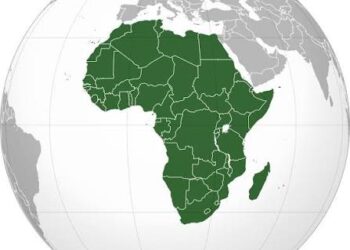








 EduTimes Africa, a product of Education Times Africa, is a magazine publication that aims to lend its support to close the yawning gap in Africa's educational development.