

























The Federal Government has intensified efforts to address Nigeria’s out-of-school children crisis by activating completed but non-operational Smart, Bilingual, and Alternative Schools across the country.
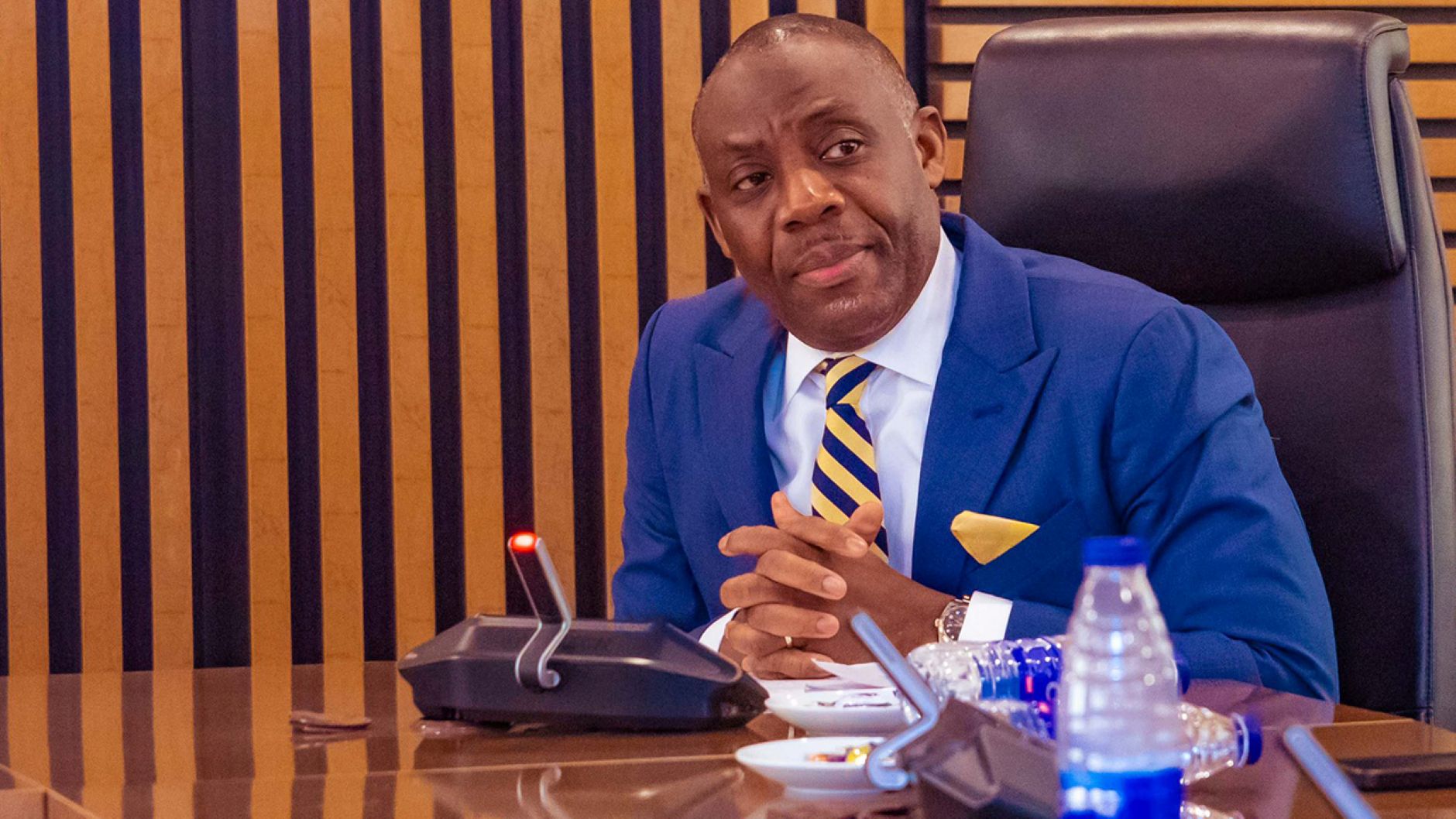
Minister of Education, Dr. Tunji Alausa, inaugurated a ministerial implementation and monitoring committee in Abuja on Tuesday to ensure the schools begin admitting learners and delivering quality education.

According to the minister, the initiative aligns with the Federal Government’s Renewed Hope Agenda, which seeks to improve access to quality basic education by ensuring that investments in school infrastructure translate into actual teaching and learning.
Alausa stressed that completed school buildings without pupils or teachers represent wasted public investment.

“Infrastructure alone does not educate a child. A completed building without pupils is simply an empty structure. A furnished classroom without teachers remains an idle investment,” he said.
The committee has been tasked with overseeing the transition of the schools from completed infrastructure to fully functional learning centres. Its responsibilities include completing outstanding works, coordinating handover, deploying teachers, enrolling pupils, and monitoring operations.
The minister noted that success would be measured by the number of schools actively educating children rather than the number of reports produced.

Under the initiative, the committee will work closely with the Universal Basic Education Commission (UBEC), State Universal Basic Education Boards (SUBEBs), state governments, contractors, and other stakeholders to provide furniture, learning materials, electricity, water supply, internet connectivity, and adequate staffing.
The Smart Schools programme is designed to promote technology-driven learning through digital classrooms, internet access, and interactive teaching tools, with a strong focus on science, technology, engineering, and mathematics (STEM) education and digital literacy.
Meanwhile, Bilingual Schools support multilingual learning and national integration, while Alternative Schools provide flexible education opportunities for out-of-school children, girls, street-connected children, and other vulnerable groups.

Although UBEC has invested significantly in these programmes, many facilities have remained underutilised due to delayed handover, inadequate staffing, and slow operationalisation in some states.
Describing the situation as unacceptable, Alausa reaffirmed the government’s commitment to ensuring every completed school becomes functional.
“Every classroom will count. Every school will function. Every investment will deliver value,” he said.
The Federal Government believes that fully activating the Smart, Bilingual, and Alternative Schools will expand access to quality education, especially for vulnerable children, while improving accountability for public investments in the education sector.












 EduTimes Africa, a product of Education Times Africa, is a magazine publication that aims to lend its support to close the yawning gap in Africa's educational development.