



















For decades, African teams arrived at the FIFA World Cup carrying the hopes of a continent but often left before the tournament truly began. At the 2026 edition, however, the story has changed, and football legend Thierry Henry believes Africa is finally getting the recognition its progress deserves.
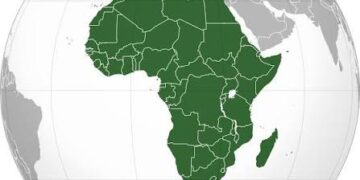
The former France international has praised the impressive performance of African nations after nine of the continent’s 10 representatives advanced to the Round of 32 at the expanded FIFA World Cup in the United States, Canada and Mexico.

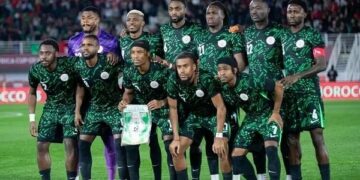
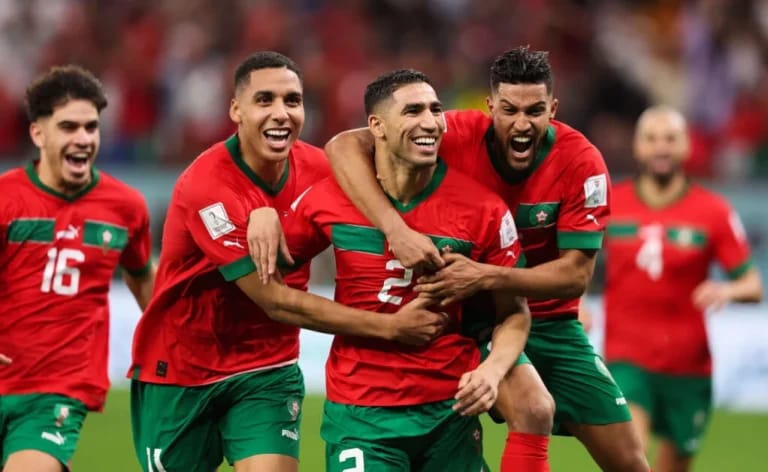
Morocco, South Africa, Senegal, Ivory Coast, Ghana, Cape Verde, Egypt, Congo and Algeria all secured places in the knockout stage, marking Africa’s best-ever performance at the tournament.
Previously, the highest number of African teams to reach the knockout rounds in a single World Cup was two during the 32-team era.


According to Opta, Africa recorded the highest qualification rate to the Round of 32, with 90 per cent of its representatives progressing. South America’s CONMEBOL followed with five of six teams qualifying, while UEFA had 13 of its 16 teams advance.
Speaking as a pundit for Fox Sports, Henry attributed part of Africa’s success to the growing ability of its national teams to recruit dual-nationality players early in their careers.
“Obviously, having more teams in the competition allows countries to have these opportunities, but it’s not only African countries at the end of the day,” Henry said.
“You talk about guys who can play for two countries. You have Balogun with the US and we have Michael Olise, who picked France.
“Back in the day, we had different guys with different roots who were born and raised in France, but now a lot of African countries are recruiting those players much earlier.
“I know how those teams are and how good they are, and it’s so nice to see African teams do well.”











 EduTimes Africa, a product of Education Times Africa, is a magazine publication that aims to lend its support to close the yawning gap in Africa's educational development.