










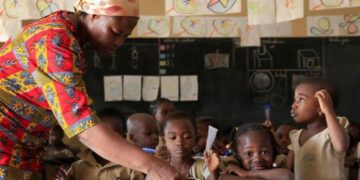




























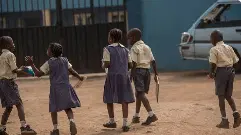


The resumption of schools for the 2026/2027 academic session has brought renewed financial pressure on Nigerian parents, with rising school fees and the increasing cost of essential education-related expenses making the new term more expensive for many families.

As pupils and students return to classrooms across the country, parents are facing a growing list of expenses, including tuition and development fees, uniforms, textbooks, stationery, transportation, meals and other school requirements.

For many families already struggling with the rising cost of living, the start of a new academic session has become more than a routine return to school. It has become a period of difficult financial decisions.
A parent in Ogun State, Mrs Odediran, said many families could no longer comfortably afford school fees, accusing the government of failing to do enough to ease the financial burden on parents.

According to her, the increasing cost of education has become particularly difficult for families whose incomes have not increased at the same pace as school fees and other household expenses.
“I think the government needs to regulate private schools,” Odediran said, arguing that stronger oversight could help prevent school charges from becoming unaffordable for parents.
Her concern reflects a wider debate over the role of government in regulating private education, particularly as more families depend on private schools for their children’s education.
For one father in Ilupeju, Lagos, the cost of educating children at secondary school level has become a major household expense.
He said he spends ₦2 million and above on school fees for his children in secondary schools, excluding the cost of stationery, textbooks, uniforms and other school requirements.
The parent said the additional expenses associated with each new academic session could significantly increase the total amount spent on education beyond the advertised school fees.
The experiences of the two parents illustrate the growing financial burden associated with keeping children in school as the new academic session begins.
For families with more than one child, the cost can be even higher, particularly when tuition is combined with transportation, feeding, uniforms, books, stationery and other levies.
Some private schools have increased their fees, with operators pointing to higher costs of running their institutions. Expenses associated with electricity, fuel, staff salaries, rent, teaching materials, security and transportation have all contributed to increased operating costs.
School proprietors, however, also face their own financial pressures.
Private schools depend largely on fees to pay teachers, maintain facilities and meet their operational obligations. Rising costs therefore create a difficult balance between keeping schools financially sustainable and ensuring that education remains affordable for families.
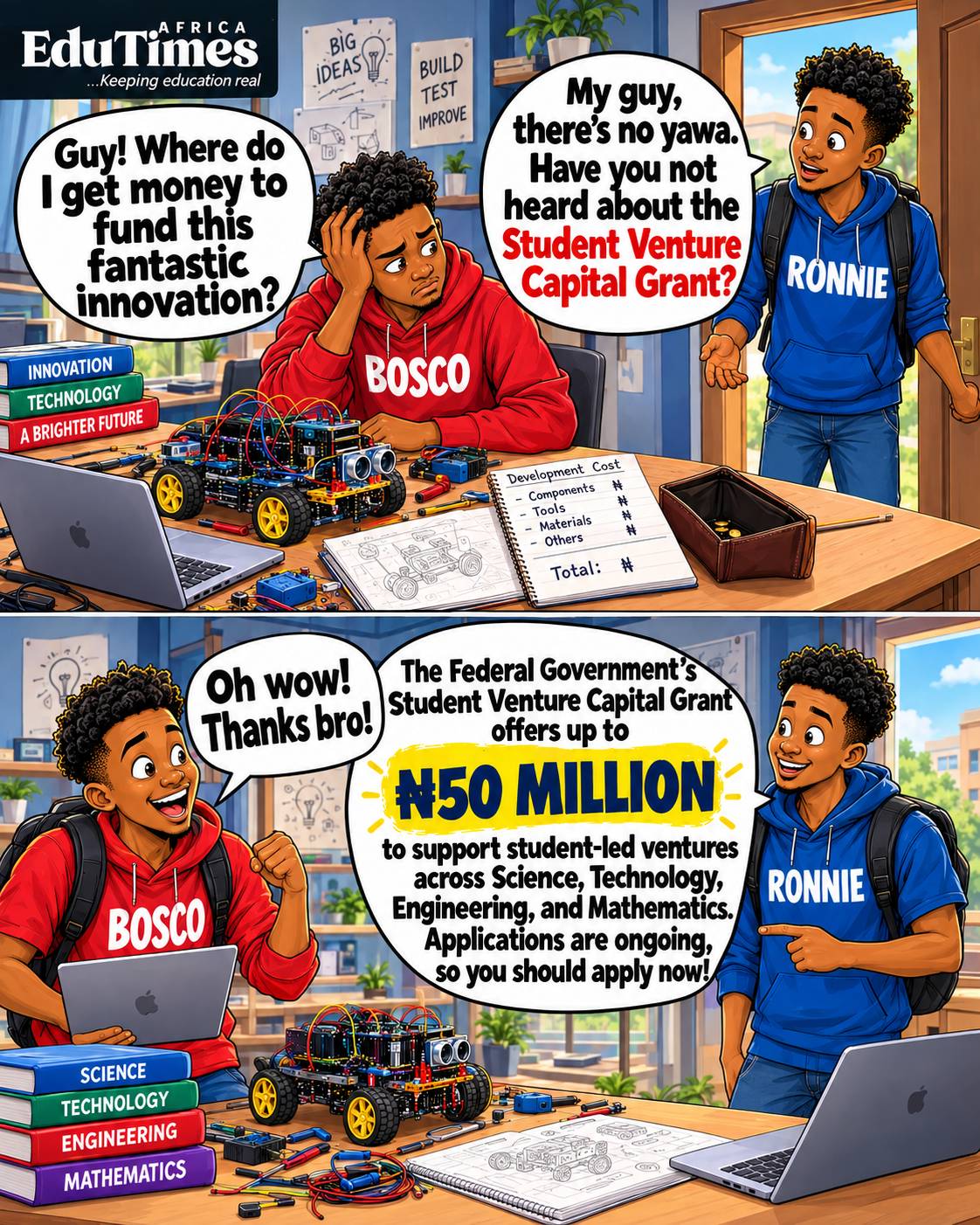
The situation is particularly important because private schools play a significant role in Nigeria’s basic and secondary education system.
When operating costs rise sharply, schools have limited options. They can absorb the additional costs, reduce expenditure, increase fees or seek alternative sources of revenue.
Each option has consequences.
Absorbing the costs may affect the quality of services provided by a school. Cutting expenditure could affect infrastructure, learning resources or staff welfare, while significant fee increases could make some schools inaccessible to families on lower incomes.
The pressure also raises concerns about educational inequality.
As the cost of private education increases, some families may be forced to move their children to less expensive schools or withdraw them from certain educational opportunities. Others may struggle to meet payment deadlines, purchase required materials or maintain consistent attendance.
For parents such as Odediran, the question is therefore not only about the amount schools charge but also about whether there are adequate measures to protect families from unaffordable increases.

The call for regulation also raises a broader policy question: how can government protect parents from excessive charges while allowing private schools to remain financially viable?
Private schools argue that their fees reflect the cost of providing education in an increasingly expensive operating environment. Parents, on the other hand, want greater transparency and affordability.
There is a need for a balance between both interests.
Parents should receive clear information about tuition and additional charges before the beginning of a term. Schools should also distinguish between essential charges and optional services so that families can make informed decisions.
Government, meanwhile, needs to strengthen oversight of the education sector while investing more substantially in public schools.
For government-owned schools, stronger investment in infrastructure, teaching resources and teacher welfare remains important in ensuring that public education provides a credible and affordable alternative.
The rising cost of education also reinforces the importance of broader economic policies that improve household purchasing power.
When parents are struggling with food, housing, transportation and healthcare costs, even a moderate increase in school fees can create significant pressure.
As the 2026/2027 academic session begins, the central issue is not simply whether Nigerian children have returned to school.
It is whether their families can afford to keep them there throughout the academic year.
The experiences of parents in Ogun State and Lagos show that for many families, education is becoming an increasingly expensive commitment.
A successful school year requires more than reopening classrooms. It requires an education system in which families can meet the cost of learning, teachers can work in decent conditions and schools can maintain acceptable standards without placing unsustainable financial demands on parents.
For millions of Nigerian families, making education affordable remains one of the biggest challenges of the new academic session.








 EduTimes Africa, a product of Education Times Africa, is a magazine publication that aims to lend its support to close the yawning gap in Africa's educational development.