



















































The National Examinations Council (NECO) has released the results of the 2026 Senior School Certificate Examination (SSCE) Internal, with 804,948 candidates, representing 58.67 per cent, obtaining five credits and above, including English Language and Mathematics.


The results were released 63 days after the last paper of the examination was written.

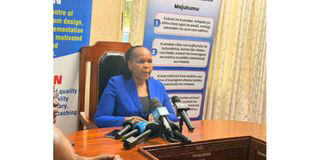
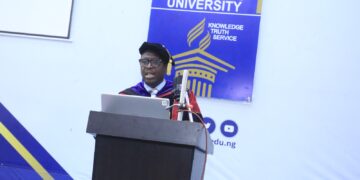
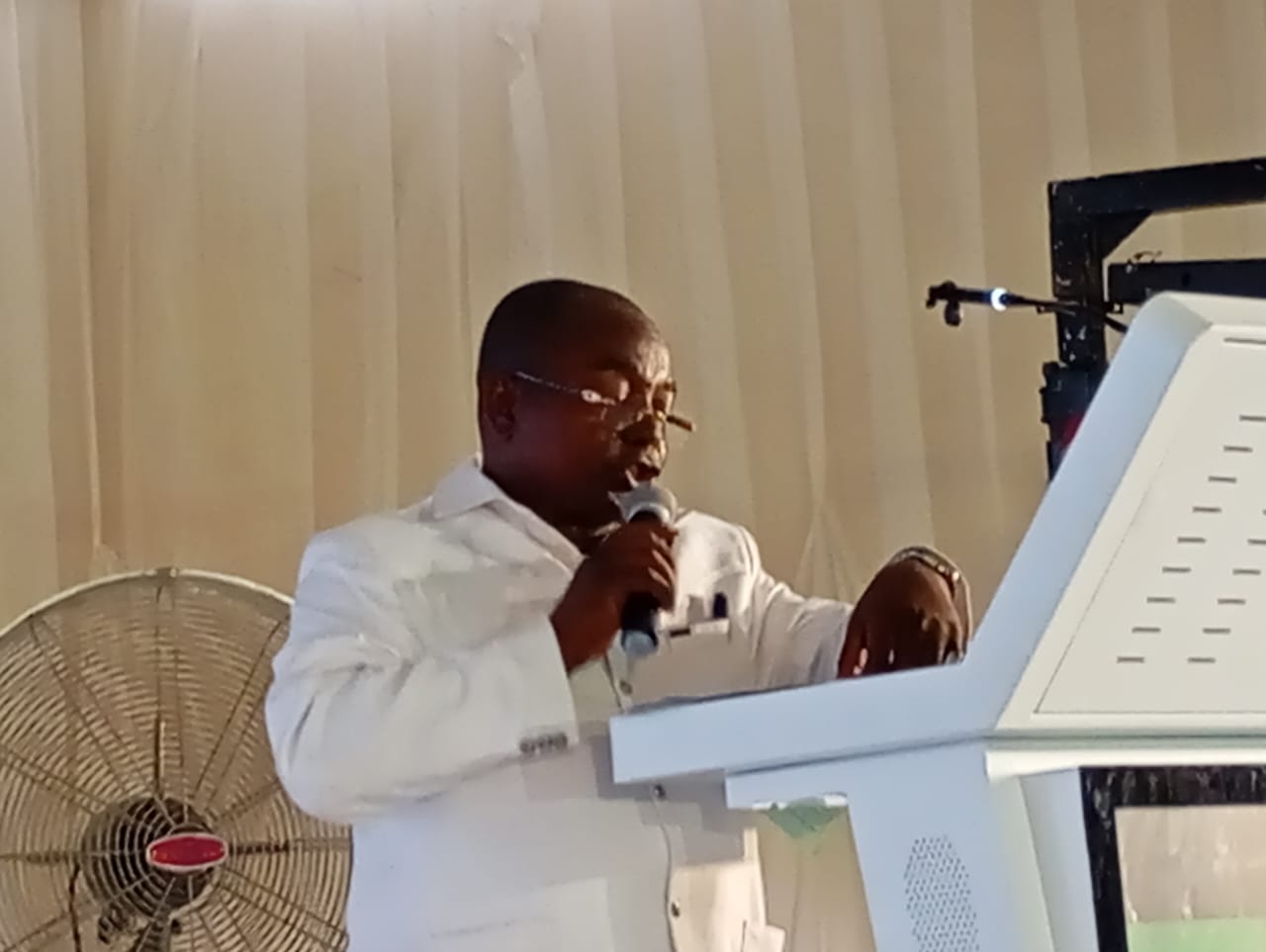
NECO Registrar, Prof. Dantani Wushishi, announced the results at a press conference in Minna, Niger State, on Thursday.


According to him, 1,378,048 candidates registered for the examination, while 1,371,992 candidates sat for the exercise, which was conducted between June 15 and July 23, 2026.
Wushishi disclosed that 1,162,118 candidates, representing 84.70 per cent, obtained five credits and above irrespective of their performance in English Language and Mathematics.
The registrar also reported a significant drop in examination malpractice, revealing that 1,406 candidates were involved in various forms of malpractice in 2026, compared with 3,878 candidates in 2025.
He said the figure represents a 64.74 per cent reduction in examination malpractice cases.
Wushishi thanked President Bola Tinubu for reappointing him for a second tenure as NECO Registrar and also expressed appreciation to the Minister of Education, Dr. Tunji Alausa, for his confidence in the council’s leadership.

He further commended security agencies, particularly the Nigeria Security and Civil Defence Corps (NSCDC) and the Department of State Services (DSS), for their support during the examination.
According to him, their vigilance and presence helped reinforce discipline, deter wrongdoing and protect the integrity of the examination process.
The registrar reassured stakeholders that NECO would continue to uphold the credibility and integrity of its examinations.
Kano Leads State Rankings

Providing a state-by-state breakdown of performance, Wushishi said Kano State emerged as the best-performing state in the 2026 SSCE Internal examination, with 74,413 candidates obtaining five credits and above, including English Language and Mathematics.
Lagos State followed with 72,496 candidates, while Oyo State ranked third with 55,543 candidates meeting the same benchmark.
He added that NECO centres in the Kingdom of Saudi Arabia and the Republic of Niger recorded no candidates with five credits and above, including English Language and Mathematics.
South-West Tops Regional Performance
Wushishi said the South-West recorded the highest performance among the six geopolitical zones based on candidates who obtained five credits and above irrespective of performance in English Language and Mathematics.
The South-West recorded 24.600 per cent, followed by:
– North-West — 22.100 per cent
– North-Central — 19.00 per cent
– North-East — 14.70 per cent
– South-South — 10.53 per cent
– South-East — 9.07 per cent
He noted that the council also produced separate rankings based on candidates who obtained five credits and above, including English Language and Mathematics, as well as gender-based performance analyses.
State Performance by Zone
In the North-Central zone, Benue State topped the ranking with 3.82 per cent, followed by Nasarawa State with 3.66 per cent.
For the North-East, Adamawa emerged among the leading states, followed by Bauchi, Borno, Yobe and Gombe.
In the North-West, Kano led the ranking, followed by Katsina, Kaduna, Kebbi, Sokoto, Zamfara and Jigawa.
South-East Performance
In the South-East, Anambra State topped the ranking with 2.92 per cent, followed by Enugu with 2.14 per cent.
Ebonyi recorded 1.15 per cent, while Abia recorded 0.57 per cent.
For male candidates, Anambra led with 2.47 per cent, followed by Enugu with 1.79 per cent.
Among female candidates, Anambra recorded 3.82 per cent, while Enugu posted 2.45 per cent.
South-South Performance
In the South-South, Rivers State ranked first with 3.03 per cent, followed by:
– Edo — 2.17 per cent
– Delta — 1.84 per cent
– Akwa Ibom — 1.61 per cent
– Cross River — 1.30 per cent
For male candidates in the zone, Rivers recorded 2.85 per cent, followed by Edo with 2.06 per cent, Delta with 1.79 per cent, Akwa Ibom with 1.48 per cent and Cross River with 1.21 per cent.
Among female candidates, Rivers recorded 3.19 per cent, followed by Edo with 2.28 per cent, Akwa Ibom with 1.73 per cent, Cross River with 1.37 per cent and Delta with 1.29 per cent.
Wushishi said the full statistical breakdown of candidates’ performance by geopolitical zone, state and gender is contained in the official tables released alongside the 2026 SSCE Internal results.










 EduTimes Africa, a product of Education Times Africa, is a magazine publication that aims to lend its support to close the yawning gap in Africa's educational development.