






















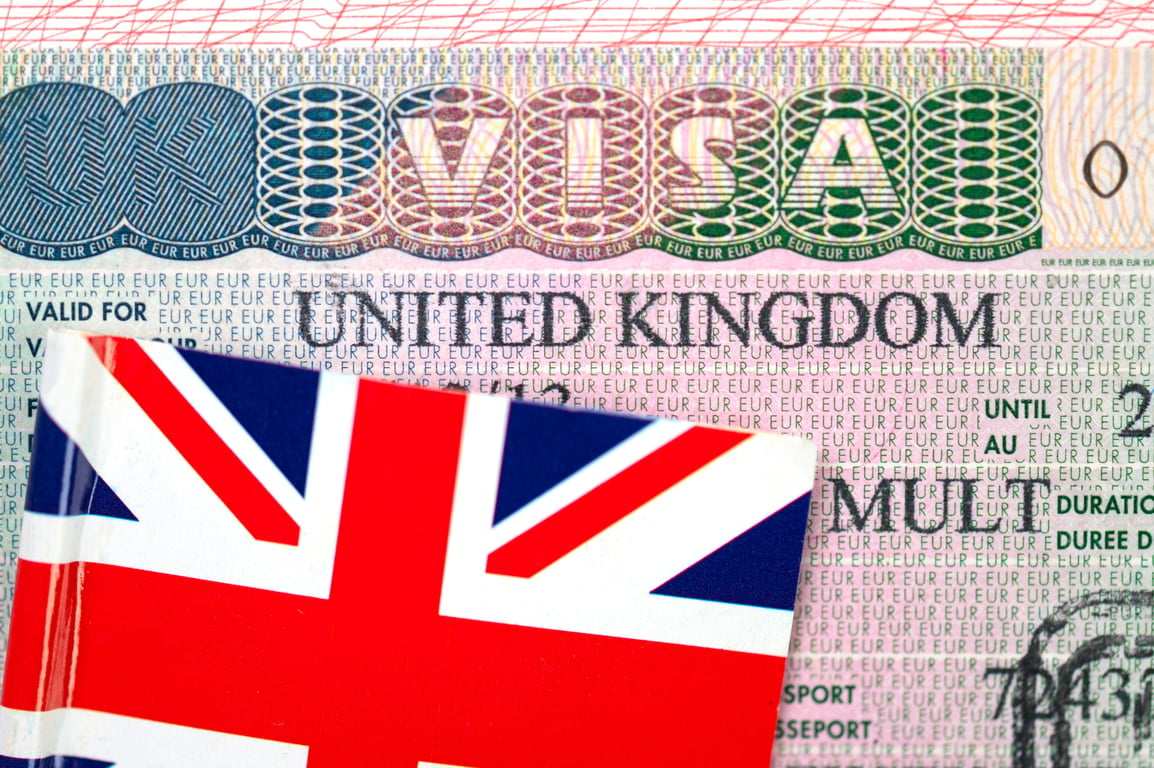


The United Kingdom is set to introduce stricter rules that could prevent universities from sponsoring international students as part of efforts to curb alleged visa abuse and reduce asylum claims linked to study routes.
The UK Home Office announced the reforms on Thursday, describing the measures as part of a broader crackdown on immigration loopholes involving student visas.

In a statement posted on its X handle, the Home Office said universities could face restrictions on recruiting international students if they fail to comply with the new requirements.
Under the updated Basic Compliance Assessment framework, higher education institutions sponsoring student visas must maintain a visa refusal rate below five per cent, an enrolment rate of at least 95 per cent, and a course completion rate of at least 90 per cent.

The reforms will be introduced in phases with immediate effect, while a new “traffic light” compliance rating system for universities is expected to be rolled out from the summer of 2027.
According to the UK government, the changes are aimed at preventing individuals from using student visas as a route into the country under false pretences and reducing the number of international students who later apply for asylum.
Home Office data published last month showed that 10,835 people who entered the UK on study visas went on to claim asylum in the year ending March 2026.
The data also revealed that 409,954 sponsored study visas were issued during the same period, down from the peak of 498,626 recorded in the year ending June 2023. Officials attributed the decline partly to earlier restrictions on international students bringing dependants into the country.
Minister for Migration and Citizenship, Mike Tapp, said the government remains committed to welcoming genuine international students but stressed the need for stronger safeguards.
“The UK will always welcome genuine international students, and our universities are rightly admired around the world, but our visa system must not be used as a backdoor to asylum and illegal working,” he said.
He added that student asylum claims had fallen by 30 per cent over the past year but insisted further action was necessary.

“Those seeking to game the system should know we are watching — and won’t hesitate to act,” he said.
Under the planned traffic light system, universities rated “red” will face restrictions on international student recruitment and will be required to implement a 12-month improvement plan. Institutions that fail to improve could lose their sponsorship rights entirely, preventing them from admitting international students who require study visas.
The policy comes amid growing scrutiny of asylum applications from individuals who initially entered the UK through legal visa routes.
According to the Home Office, Pakistani nationals accounted for the highest number of asylum claims in the year ending March 2026, with many entering through legal visa channels. Eritrean nationals followed, mostly through irregular routes, while Iran and Afghanistan also featured prominently.
Although Nigeria was not among the leading nationalities in the latest figures, Nigerians have also recorded notable asylum claims in recent years.
For prospective international students, the new measures could mean fewer university options if institutions fail to meet the government’s compliance standards.
The reforms also signal a stricter approach to monitoring student visa sponsorship and ensuring that study routes are used for their intended purpose.













 EduTimes Africa, a product of Education Times Africa, is a magazine publication that aims to lend its support to close the yawning gap in Africa's educational development.