






















The Universal Basic Education Commission (UBEC) says its interventions have impacted over 8.7 million learners across Nigeria within the past year, while also unlocking more than ₦100 billion in previously unutilised education funds.
The commission disclosed that over 30 states and the Federal Capital Territory are now actively accessing and deploying these funds to improve basic education delivery.

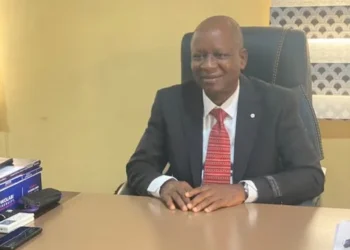
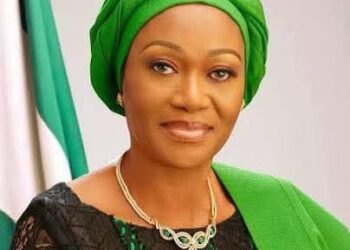
Speaking in Abuja at UBEC’s 29th quarterly meeting with State Universal Basic Education Boards, the Executive Secretary, Aisha Garba, said the progress reflects a shift towards more coordinated and large-scale reforms in the sector.
The meeting, themed “Accelerating Basic Education Performance Through Digitally-Enabled Coordination,” brought together key stakeholders to assess progress and chart the next phase of reforms.

Garba noted that the interventions have gone beyond infrastructure to include teacher development and improved learning conditions.
According to her, nearly 500,000 teachers have been trained, while schools have benefited from instructional materials, upgraded facilities, furniture, and improved sanitation systems.
She emphasised that the reforms align with the Federal Government’s Renewed Hope Agenda and signal a departure from routine administration to a more structured and results-driven approach.
Garba also highlighted improved access to funding, noting that many states are now more actively utilising UBEC resources.
“Over ₦100 billion that was previously unaccessed has now been unlocked, with states making more effective use of the funds,” she said.

On project implementation, she revealed that about 95 per cent of education projects initiated in 2025 have already been completed, indicating improved efficiency in delivery.
A key pillar of the reform, she added, is digitalisation, which is being applied not only in classrooms but also in planning, monitoring, and overall management of the education system.
Garba announced that from 2026, basic education action plans will be fully digitised, enabling stakeholders and development partners to access real-time data for better transparency and decision-making.
Despite the progress, she raised concerns about persistent infrastructure challenges, citing overcrowded schools and inadequate sanitation facilities in some areas.
In his remarks, the Chairman of the Kwara State SUBEB and Dean of SUBEB Chairmen, Shehu Adaramaja, acknowledged the ambition of the digital reform agenda but warned of practical challenges such as infrastructure deficits, capacity gaps, and unreliable electricity supply.
He stressed that while digital tools are important, their success depends on effective implementation and alignment across states.
“Technology alone cannot solve coordination problems. What matters is how well systems are aligned and adopted,” he said.
UBEC Deputy Executive Secretary (Technical), Rasaq Akinyemi, also noted that the commission would focus on consolidating existing gains and strengthening coordination nationwide.
Nigeria’s basic education sector continues to grapple with issues such as inadequate infrastructure, uneven teacher distribution, and limited learning resources, despite ongoing reforms.
—
If you want, I can convert this into a sharper headline version, broadcast script, or a social media post for engagement.











 EduTimes Africa, a product of Education Times Africa, is a magazine publication that aims to lend its support to close the yawning gap in Africa's educational development.