


























The University of Lagos has reaffirmed its commitment to leveraging artificial intelligence (AI) to strengthen quality assurance and improve public service delivery while maintaining institutional values of integrity, accountability and excellence.
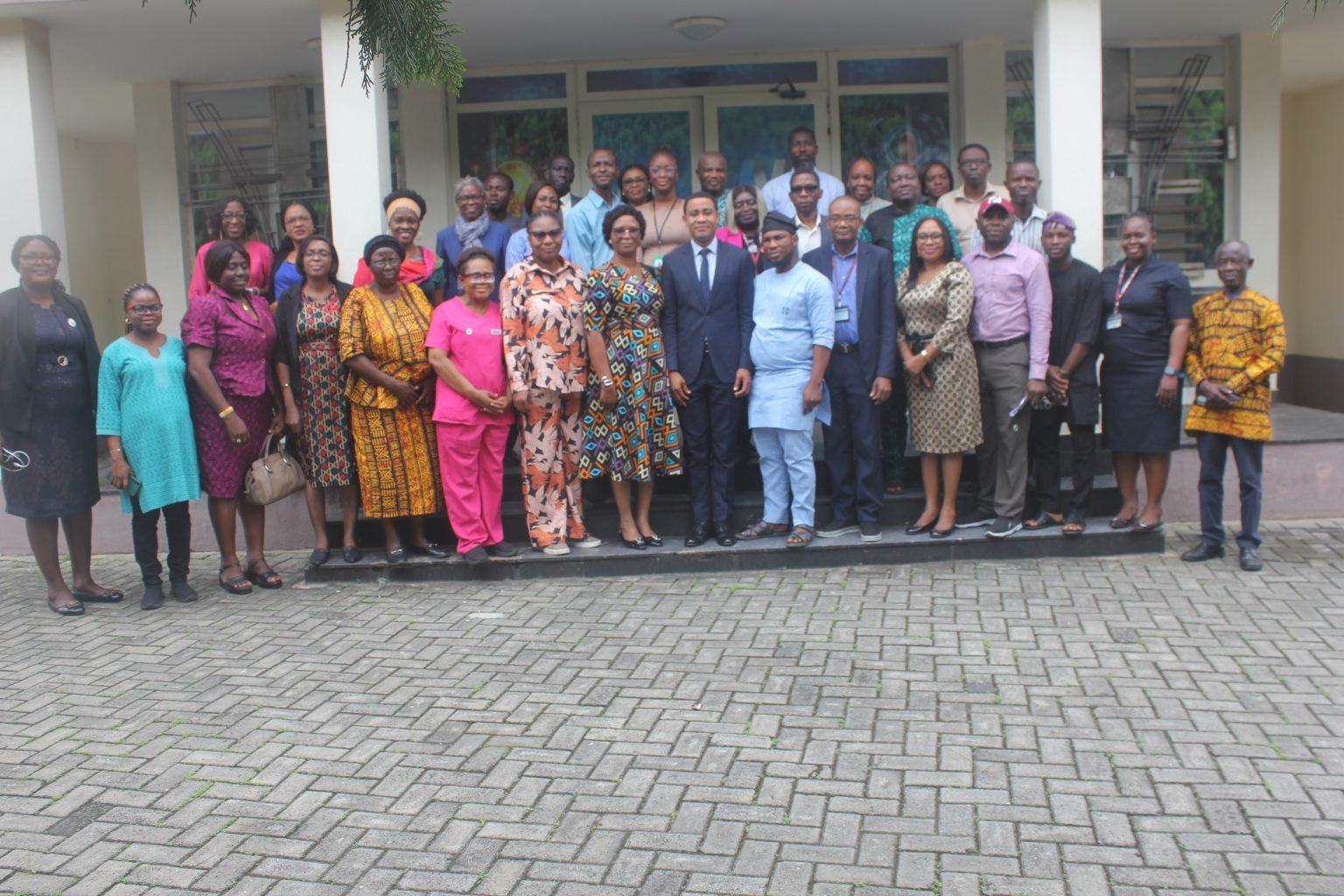
The university made this known during the second-quarter seminar/workshop organised by its Quality Assurance and SERVICOM (QAS) Unit at the Arthur Mbanefo Digital Research Centre in Lagos.

The seminar, themed “Quality Assurance in the Era of Artificial Intelligence: Opportunities, Risks and Best Practices,” brought together members of the university community to examine the opportunities and challenges AI presents for higher education and institutional governance.

Speaking at the event, Director of the Quality Assurance and SERVICOM Unit, Olufemi Muibi Saibu, described AI as one of the defining technologies of the modern era and stressed the need for university staff to understand both its potential and the responsibilities associated with its adoption.

According to him, the initiative aligns with the Vice-Chancellor’s Future-Ready Agenda, which seeks to position UNILAG as a globally competitive institution driven by innovation, digital transformation and excellent service delivery.
Delivering the keynote presentation, Associate Professor of Computer Science and Director of the NITDA IT Hub, Victor Odumuyiwa, said AI should be seen as a strategic tool capable of enhancing quality monitoring, service delivery and evidence-based decision-making rather than replacing human expertise.

He, however, cautioned against excessive reliance on AI systems, highlighting concerns such as algorithmic bias, inaccurate AI detection tools, data privacy issues and the absence of comprehensive institutional AI policies in many higher education institutions.
Odumuyiwa urged universities to develop governance frameworks that ensure AI is deployed responsibly, transparently and ethically while supporting the work of quality assurance professionals.
Also speaking, Solomon C. Nwaneri of the Department of Biomedical Engineering demonstrated how AI can improve teaching, research, accreditation, human resource management and student support services through data-driven decision-making and automation.
He noted that responsible AI adoption requires robust governance structures, strong data protection measures, continuous staff training and regular evaluation of AI systems to ensure they remain fair, transparent and aligned with institutional values.
The seminar concluded with participants reaffirming the need to deepen AI literacy across the university while strengthening quality assurance systems to support UNILAG’s vision of becoming a future-ready institution.












 EduTimes Africa, a product of Education Times Africa, is a magazine publication that aims to lend its support to close the yawning gap in Africa's educational development.