
























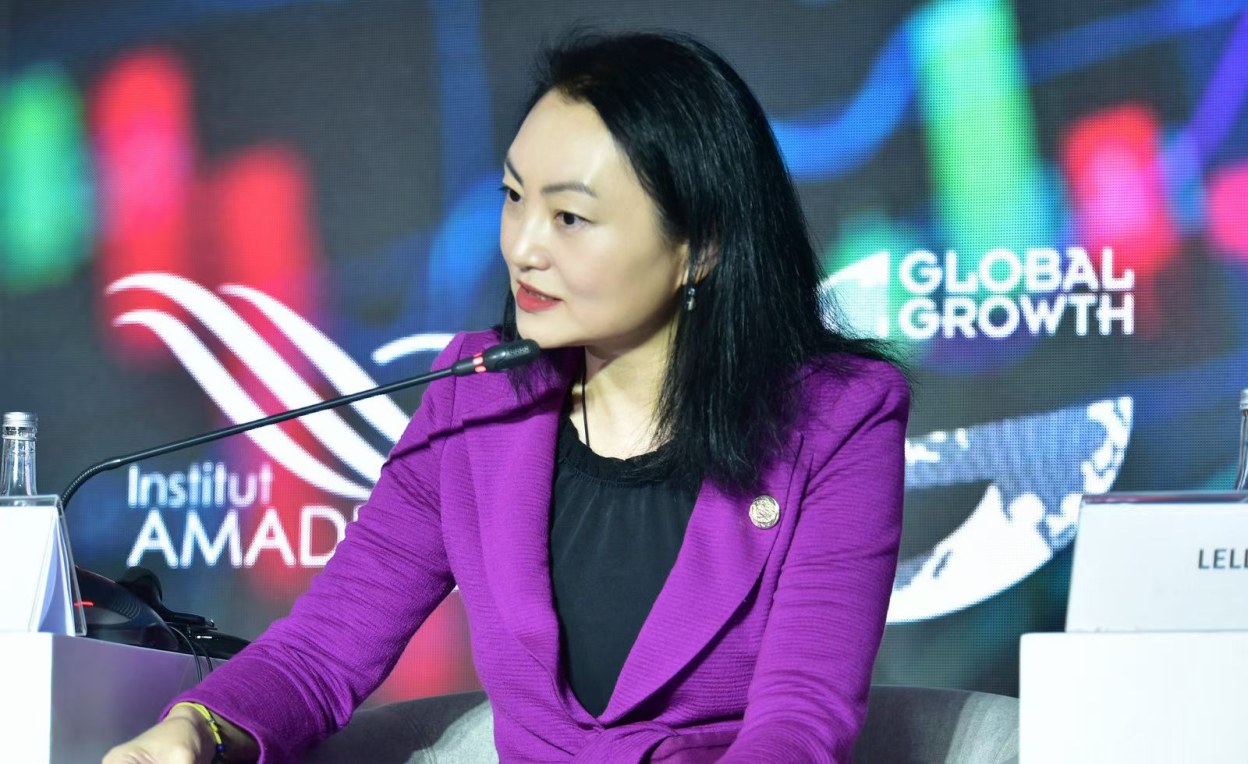


As artificial intelligence (AI) reshapes economies across the world, experts say Africa’s success will depend less on foreign aid and more on building the skills, infrastructure and innovation needed to compete globally.



That was the central message from Maggie Gu, Founder and President of Tomorrow Foundation, during an interview on Challenge TV’s Au cœur de l’Éco in Geneva.

Why skills matter more than aid
According to Gu, Africa already has a large pool of talented young people. The challenge is not a lack of potential but limited access to quality education, digital infrastructure, technology and global innovation networks.

Rather than relying on short-term financial assistance, she believes governments and development partners should invest in helping young people acquire practical skills that enable them to create jobs, launch businesses and solve local challenges.
What Tomorrow Foundation is doing
Founded in Geneva in 2017, Tomorrow Foundation focuses on promoting education, entrepreneurship, digital inclusion and leadership across Africa and the Middle East.
The organisation says it has supported tens of thousands of young people in more than 15 African countries through entrepreneurship and skills-development programmes.
One of its flagship initiatives, Her Start, equips women entrepreneurs with business training, mentorship, access to finance and seed funding. The foundation also partners with Junior Achievement to strengthen entrepreneurship education for young people.
AI for All initiative
To expand access to artificial intelligence, the foundation launched AI for All, a global initiative built around three priorities:
Expanding digital infrastructure and strengthening technological independence.
Increasing access to AI-powered education while maintaining the important role of teachers.
Supporting creative industries such as film, digital content creation and audiovisual production through AI.
Why lifelong learning is essential
Gu noted that AI will continue to transform workplaces, making continuous learning more important than ever. She encouraged young people to remain adaptable while developing qualities such as humility, patience and compassion.

She also believes AI should complement, rather than replace, human creativity by taking over repetitive tasks and allowing people to focus on innovation, culture and problem-solving.
What this means for Africa
The message is clear: Africa’s competitiveness in the AI era will depend on how much governments, schools and private organisations invest in digital skills, quality education, research and technological infrastructure.
If these investments are sustained, the continent could become a significant player in the global AI economy, creating new opportunities for employment, entrepreneurship and economic growth while ensuring that technological progress benefits everyone.










 EduTimes Africa, a product of Education Times Africa, is a magazine publication that aims to lend its support to close the yawning gap in Africa's educational development.