
























Closing Date: 2 March 2026
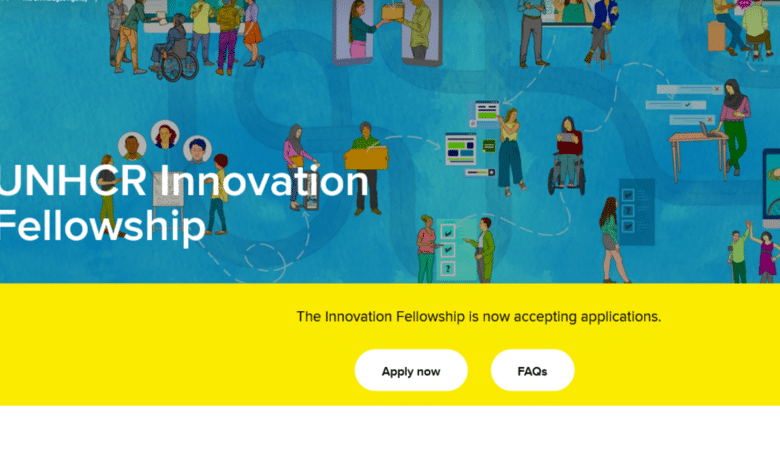
The UNHCR Innovation Fellowship is now accepting applications for 2026. This fully online programme is designed for UNHCR staff and members of select partner organizations to develop innovation skills and embed creative approaches in humanitarian work.

Fellowship Overview
The Innovation Fellowship focuses on building practical innovation skills, including:

Problem solving and ideation
Experimentation and prototyping
Implementing innovative solutions to real-world challenges in humanitarian operations
Participants will work on real-life challenges, collaborating with colleagues, partners, and refugees to bring meaningful solutions to their divisions or operational contexts. Fellows become ambassadors for innovation and lasting positive change both within UNHCR and in their communities.
Key Highlights
Format: Fully online with workshops, assignments, and interactive sessions
Target Audience: UNHCR staff (any region or level) and members of partner organizations, including UN agencies and NGOs
Requirements: No prior innovation experience required; participants must have managerial approval to join
Focus Areas: Protection, shelter, food security, cultural heritage, and more

Application Process: Submit a combination of written and video responses to prompts; there are no right or wrong answers
Example Fellowship Projects
Launching a refugee-led storytelling network in Ireland
Integrating refugee perspectives into strategic planning in Panama
Developing durable, eco-friendly shelter solutions in Chad
How to Apply
Applicants are encouraged to bring a challenge or area of curiosity and develop it throughout the Fellowship journey.
Click Here to Apply
Learn More
Join a dedicated information session to understand eligibility and the application process:
17 February, 10am CET Register here
17 February, 4pm CET Register here












 EduTimes Africa, a product of Education Times Africa, is a magazine publication that aims to lend its support to close the yawning gap in Africa's educational development.