























































The Federal Government has committed more than ₦217 billion within the last two years to strengthen medical education and healthcare training institutions across Nigeria as part of efforts to improve healthcare delivery and build a globally competitive health workforce.



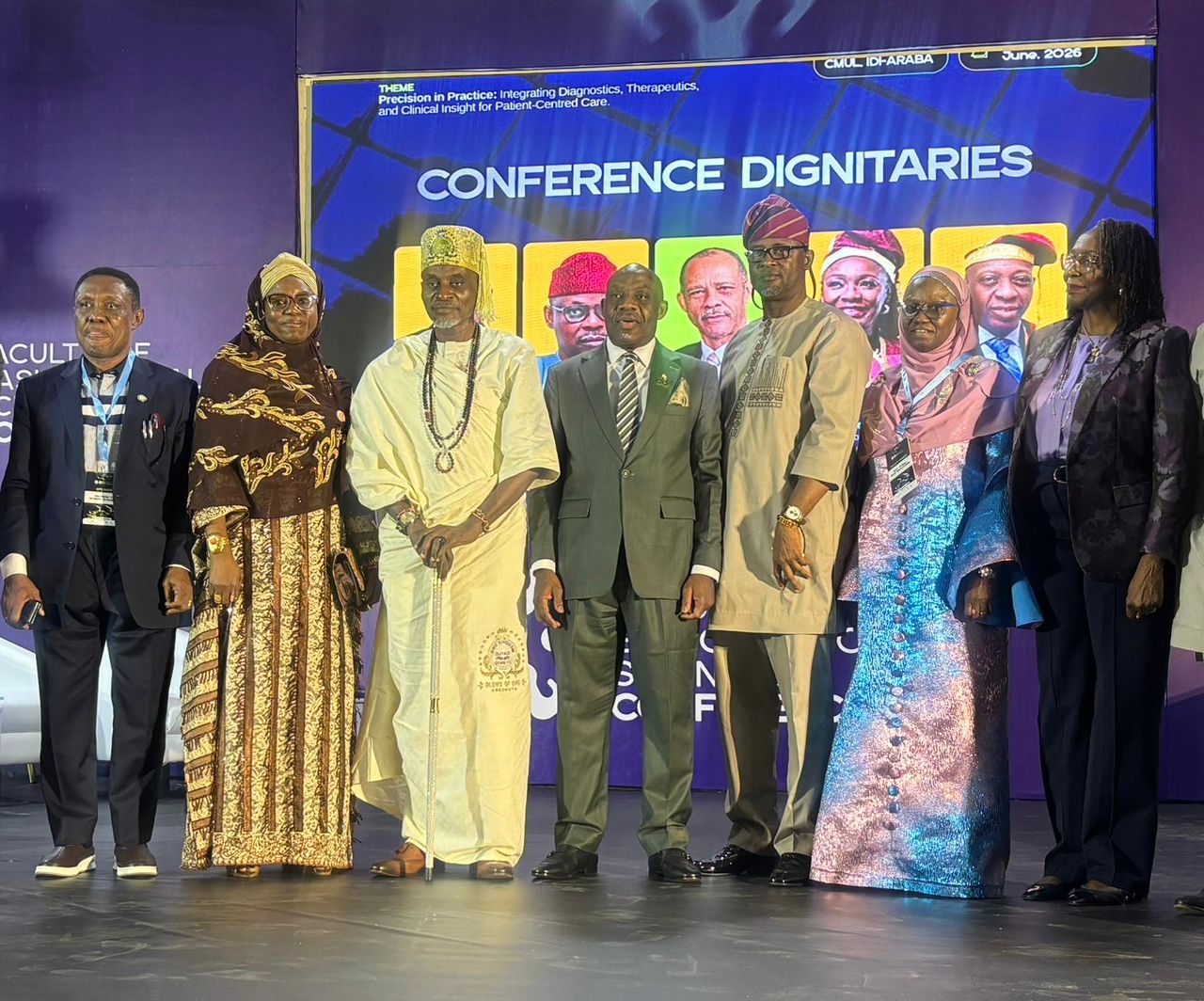
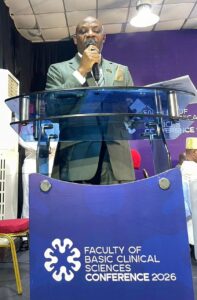
Minister of Education, Dr. Maruf Olatunji Alausa, disclosed this on Wednesday at the opening of the inaugural International Conference of the Faculty of Basic Clinical Sciences (FBCS), College of Medicine, University of Lagos (CMUL).

Speaking on the conference theme, “Precision in Practice: Integrating Diagnostics, Therapeutics, and Clinical Insights for Patient-Centered Care,” Alausa said the administration of President Bola Ahmed Tinubu is prioritising investments in institutions responsible for training doctors, nurses, pharmacists, scientists and other healthcare professionals.

According to him, sustainable healthcare development can only be achieved through deliberate investments in medical education, research, innovation and human capital development.


The minister revealed that the Federal Government invested over ₦97 billion in medical education interventions in 2025 through Special High Impact Projects designed to expand training capacity in medical schools nationwide.
He added that an additional ₦120.5 billion was approved in 2026 to support medical colleges through infrastructure upgrades, procurement of equipment, expansion of teaching facilities and improvement of students’ learning environments.
Alausa also announced plans by the Federal Government to establish Medical Simulation and Technology Centres across the country to provide students with modern simulation-based training that meets international standards and enhances clinical competence.
He noted that emerging technologies such as artificial intelligence, genomics, digital pathology and precision medicine are transforming healthcare globally and should be integrated into Nigeria’s medical education system.
The minister described the work being undertaken by the Faculty of Basic Clinical Sciences in areas such as precision medicine, cancer genomics, artificial intelligence, digital pathology, clinical research and biobanking as critical to Nigeria’s future healthcare innovation agenda.
He commended the faculty for establishing a ₦1 billion Endowment Fund and urged alumni, corporate organisations, philanthropists and development partners to support initiatives aimed at advancing medical education and biomedical research.
Alausa also highlighted the Federal Government’s approval of the National Research and Innovation Development Fund (NRIDF), saying the initiative would provide sustainable financing for research, innovation and the commercialisation of discoveries across universities, research institutes and industries.
According to him, the fund is expected to address longstanding challenges in Nigeria’s research ecosystem by fostering stronger collaboration among academia, government agencies and the private sector.
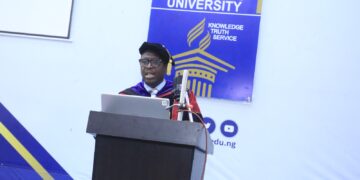
Earlier, the Vice-Chancellor of the University of Lagos, Professor Folasade Ogunsola, described the conference as a significant milestone in the institution’s pursuit of academic excellence, innovation and global competitiveness.
She said the Faculty of Basic Clinical Sciences was established to deepen biomedical research, diagnostic medicine and healthcare innovation, adding that it had already recorded notable achievements within a short period.
These, she noted, include hosting its inaugural international conference, unveiling its academic journal and launching a ₦1 billion Endowment Fund.
Ogunsola expressed confidence that the faculty would evolve into one of Africa’s leading centres for biomedical research and scientific excellence.
The conference attracted scholars, clinicians, researchers, policymakers and development partners from Nigeria and beyond to explore emerging approaches to diagnostics, therapeutics and patient-centred healthcare.
Alausa reaffirmed the Federal Government’s commitment to sustaining investments that strengthen healthcare training, advance scientific discovery and position Nigeria as a leading hub for medical education and innovation in Africa.














 EduTimes Africa, a product of Education Times Africa, is a magazine publication that aims to lend its support to close the yawning gap in Africa's educational development.